The country reaffirmed its zero-tolerance policy toward organized crime
Compartir:
Singapore's Parliament approved a forceful measure on Tuesday to curb the wave of digital scams affecting the nation, punishing those responsible for these crimes with between 6 and 24 lashes, in addition to the existing prison sentences and fines.
The decision, prompted by record losses of 1.1 billion dollars in 2024, seeks to strengthen deterrence against a phenomenon that has seriously affected the country's economic and digital security.
The sanction will apply to members of criminal networks involved in scams, recruiters, those who facilitate logistical or financial means such as so-called "money mules," and individuals who provide SIM cards or Singpass credentials (the Singaporean digital identity document). The exact number of lashes will depend on the severity of the crime, with a maximum allowed of 24, applied consecutively.
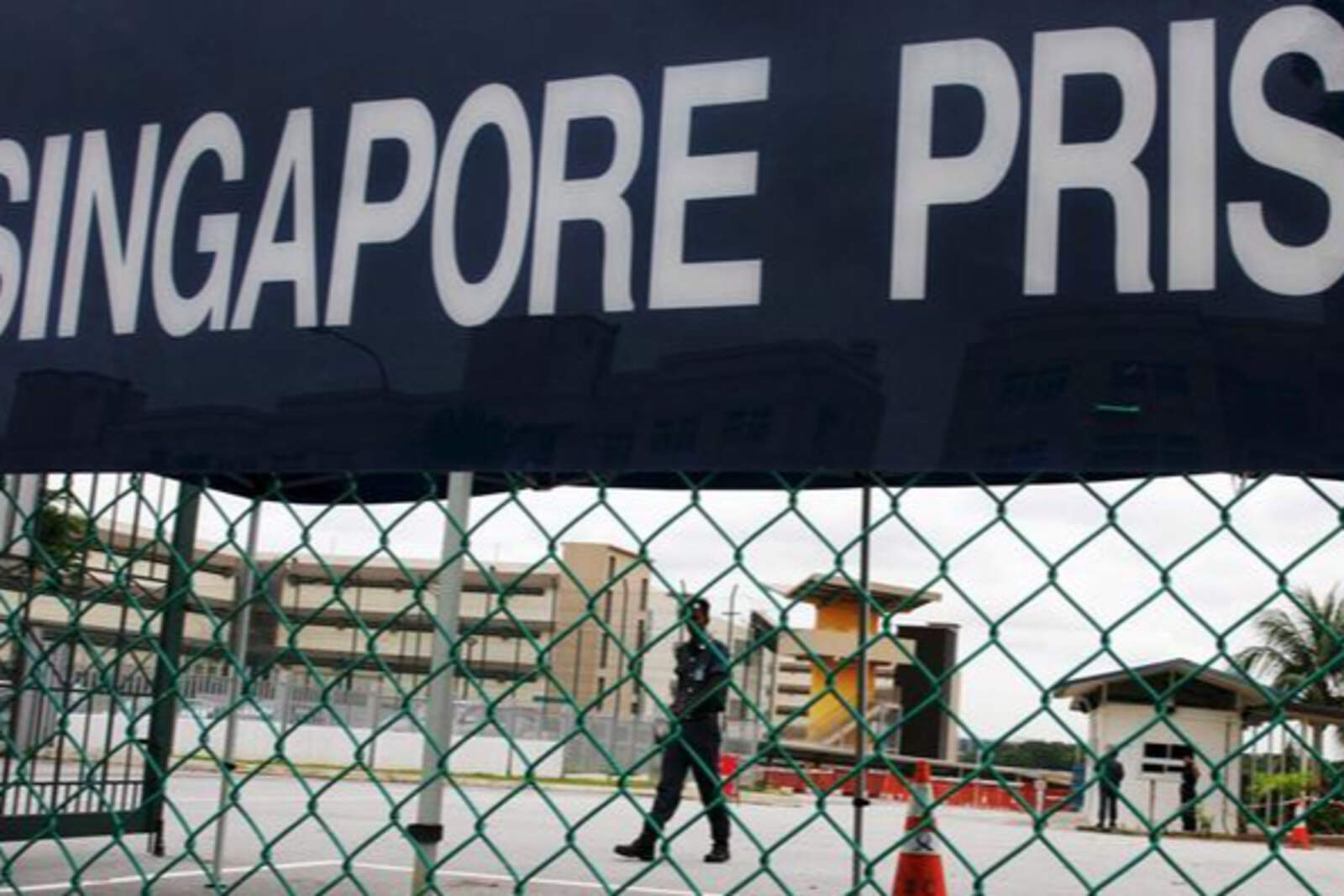
La prisión de Singapur.
The courts will be responsible for determining, case by case, whether corporal punishment is appropriate. According to the Ministry of Home Affairs, the measure is mainly aimed at dismantling the structures behind digital fraud and sending a message of zero tolerance toward these types of crimes, which have grown exponentially in recent years.
The proposal had been announced in March by a member of parliament, and at that time, then Minister of Home Affairs, Sun Xueling, confirmed that the Executive was considering the inclusion of "lashes for certain scam offenses, in recognition of the severe harm they can cause." Parliament ultimately supported the initiative by a large majority, in a gesture that reflects national concern over the magnitude of the problem.
Singaporean authorities maintain that the country can't remain passive in the face of the social and economic impact of scams, many of which are operated from illicit centers in Southeast Asia and linked to transnational trafficking networks and money laundering.
Singapur.
In this context, Singapore launched operations against groups suspected of facilitating criminal activities, including the seizure of more than 150 million Singapore dollars in assets linked to Chinese businessman Chen Zhi and his conglomerate Prince Group, identified by the United States as part of a "criminal empire."
Although international organizations such as the UN condemn the use of physical punishment, the Government of Singapore supported the measure and emphasized that its strict criminal policy has been key to maintaining the low crime rates that characterize the country.