The costs of the artists at the National Beach Festival in Concepción del Uruguay left citizens astonished
Nuevo
Agregar La Derecha Diario en
Compartir:
While neighbors tighten their budgets and basic services show shortcomings, the Peronist administration of Concepción del Uruguay ended up at the center of controversy after the multimillion amounts it allocated to hiring artists for the Fiesta Nacional de la Playa 2026 became known. The official figures, taken from municipal files, reveal a political decision that prioritized the show over the community's real needs.
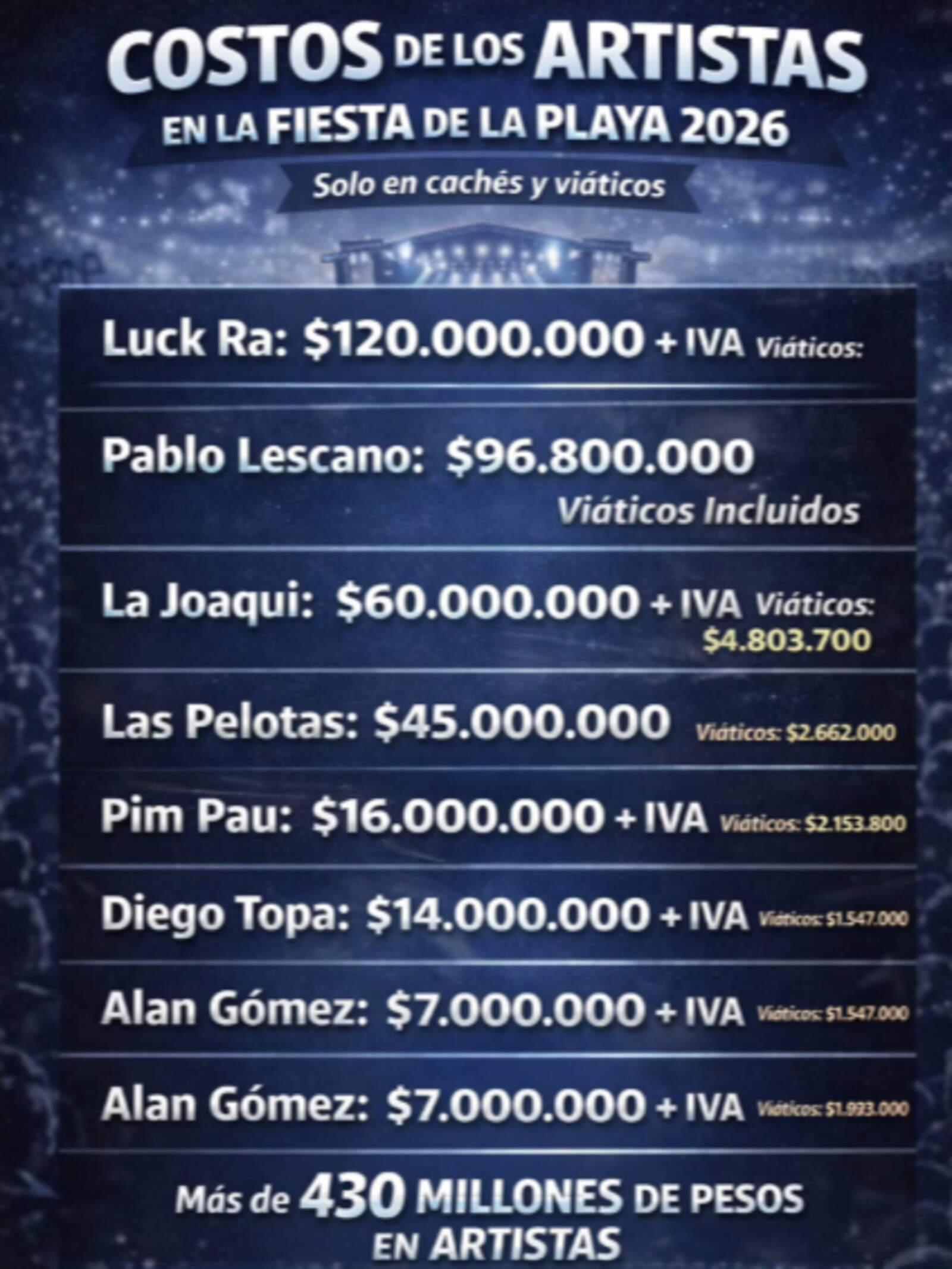
According to the released documentation, the highest fee went to Luck Ra, who was paid 120 million pesos plus VAT, to which 5.8 million pesos were added for per diem and transportation. Pablo Lescano followed with 96.8 million pesos, La Joaqui with 60 million pesos plus VAT, and Las Pelotas with 45 million pesos, in addition to other national and children's artists who completed the line-up.
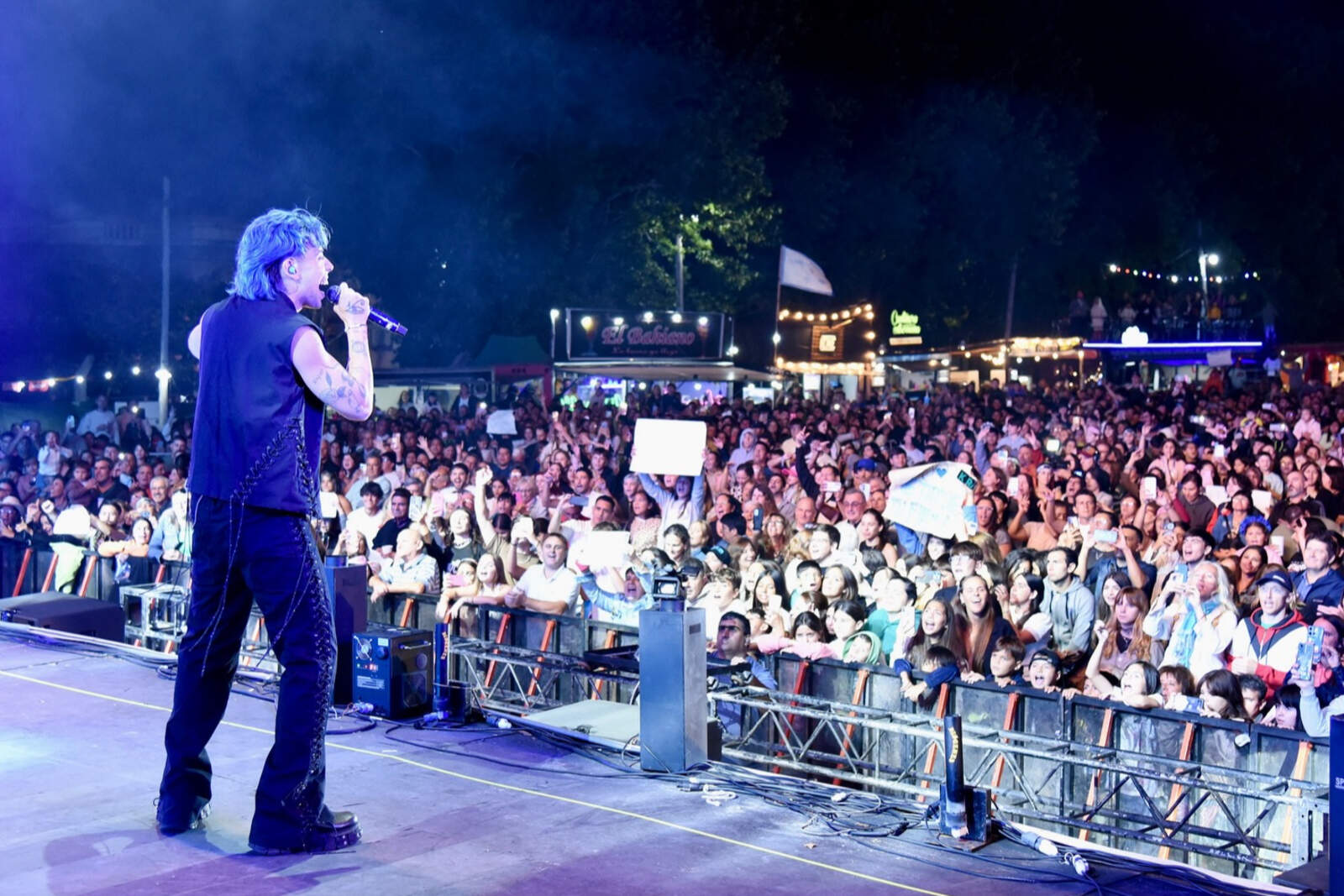
El show de Luck Ra en Concepción del Uruguay
In total, only for the main acts, the expense comfortably exceeded 180 million pesos, not including infrastructure, broadcasting, logistics, or payments to local artists. As if that were not enough, the Municipality also disbursed more than 9.3 million pesos on lodging, mostly at Gran Texier Hotel Casino.
The official data — released by CdeluNoticias — reveal another alarming fact: ticket sales were not enough to cover the costs, so the deficit was absorbed by municipal coffers. In other words, taxpayers paid for the show.
Lo que costaron cada uno de los artistas invitados
From Buenos Aires, journalist Laura Ubfal added more criticism on her streaming show on Bondi TV. "I understand that Luck Ra brings a band, musicians and all that, but 120 million is a figure. Plus 5.8 million for travel... how many cars is that? How much does gas to Concepción del Uruguay cost? It's madness," she stated. She added: "A total mess broke out because there are people who would've liked to be paid for some other little thing," alluding to postponed debts and needs.
The case once again exposes a management model typical of Peronism, where the photo on stage and the momentary applause weigh more than fiscal balance and responsibility in the use of public resources. Meanwhile, as the national government keeps insisting on putting the accounts in order and ending wasteful spending, Peronist-aligned municipalities that follow the old scheme keep burning millions on loss-making events.