
The socialist government of Spain closed its airspace to the United States because of the war in Iran

The socialist government of Spain closed its airspace to the United States because of the war in Iran

The communist government of Pedro Sánchez refused to support the United States and faces criticism and diplomatic tensions

Share:

The Government of Spain has decided to close its airspace to United States military aircraft involved in attacks against Iran, in a measure that reinforces its ridiculous frontal rejection of military intervention led by Washington. Defense Minister Margarita Robles confirmed that neither the use of joint bases such as Rota and Morón nor air traffic for operations related to this conflict will be authorized

.

The decision represents a tightening of the Spanish position, which had previously denied the use of these military installations shared with the United States. As Robles explained, the refusal responds to a clear political line: to avoid any involvement in a war that the Executive considers contrary to

international law.

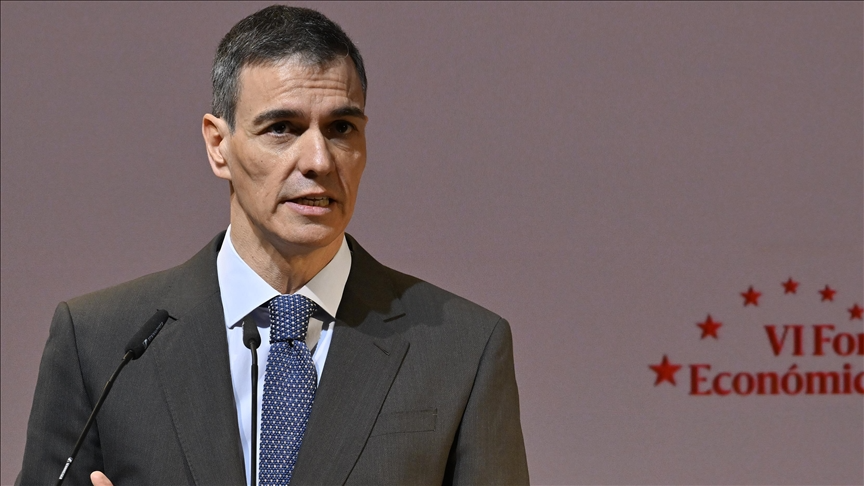
The communist president of the Government, Pedro Sánchez, has been one of the European leaders most critical of the US and Israeli offensive against Iran, which he described as “reckless” and “illegal”. In recent weeks, the Executive has rejected all flight plans linked to the military operation, including those for refueling aircraft, reinforcing its intention not to contribute, directly or indirectly, to the escalation of the conflict

.
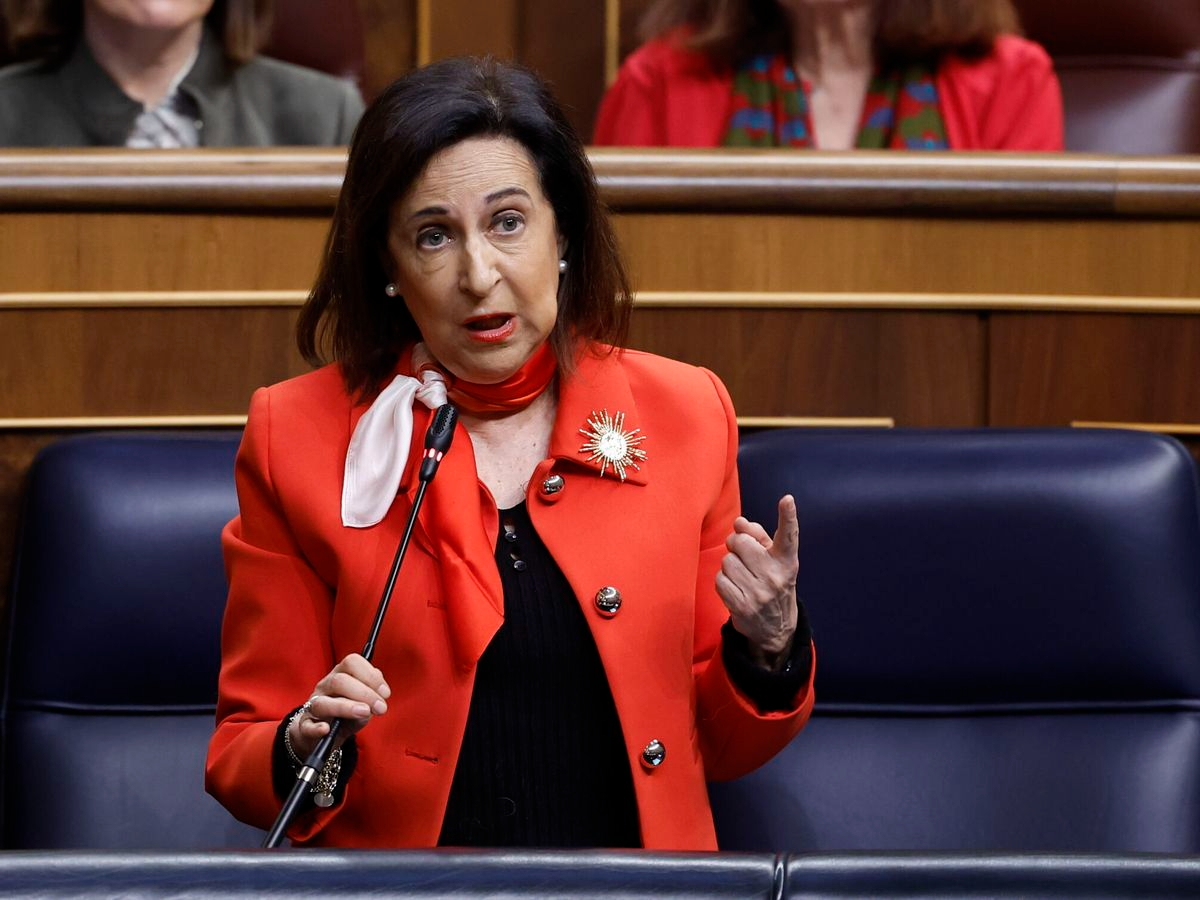
The Spanish Defense Minister confirmed that she will not authorize the use of Spanish air bases to the United States

From the Ministry of Foreign Affairs, its head José Manuel Albares has argued that the measure seeks to “do nothing that could favor an escalation” in the war. Along these lines, the Government insists that Spain acts in accordance with its principles and in defense of international law, stressing its willingness to stay out of an intervention that it considers to be unilateral

.

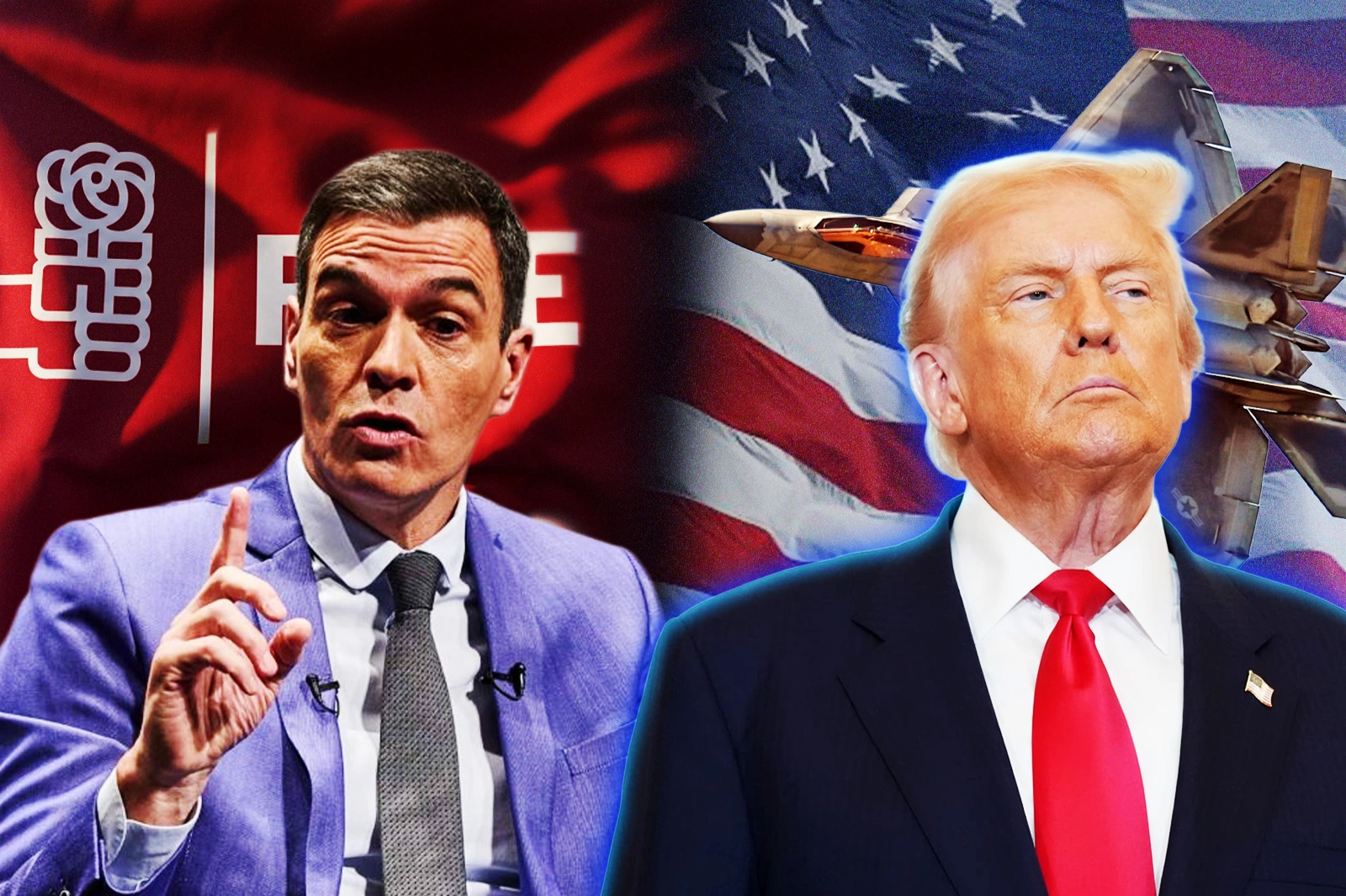
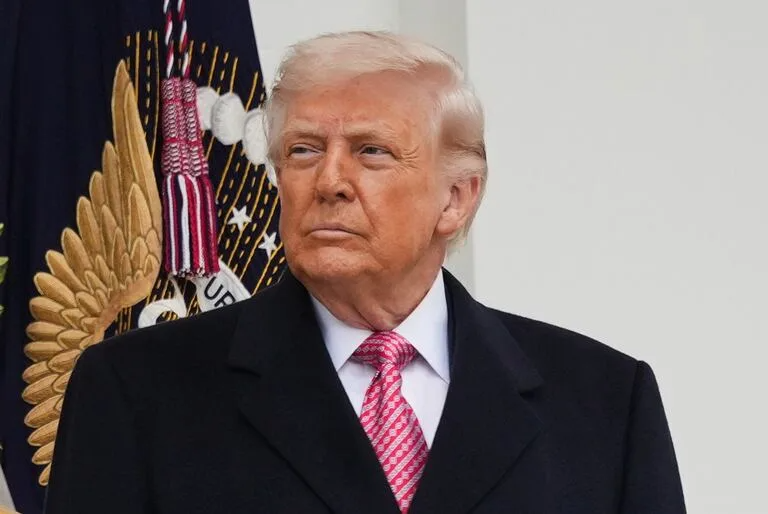
However, the decision has generated friction with Washington. US President Donald Trump has warned of possible economic retaliation against Spain, including the threat of a total trade embargo. Despite this, White House sources have indicated that the military operation in Iran does not depend on Spanish support and that its objectives are being met without the need for additional collaboration
.

In operational terms, the closure of airspace forces U.S. military aircraft to modify their routes to the Middle East, avoiding passage through the Iberian Peninsula. Some aircraft, such as bombers deployed at British bases, will have to choose alternative routes, either over the Atlantic or through other European countries. However, exceptions are contemplated in cases of emergency, as indicated by Spanish media

.
President Donald Trump warned that he could establish very harsh trade sanctions against Spain

The position of the Spanish Government has aroused criticism in different areas, where it is considered that the measure could have negative consequences at the diplomatic and strategic levels. Some analysts point out that the refusal to collaborate with the United States, a key ally in the framework of NATO, could be interpreted as a lack of commitment to collective security, especially in an international context marked by multiple sources of tension.

The potential economic impact of an escalation in bilateral tensions is also being questioned. Washington's warnings about possible trade sanctions raised concern in sectors that depend on the relationship with the United States, adding pressure on the

Spanish Executive.

On the other hand, there are also those who consider that the Government's position responds more to ideological criteria than to a pragmatic analysis of the situation. The insistence on a “no to war” policy has been interpreted by some critics as a simplification of a complex conflict, involving multiple strategic and security factors

.
The communist Pedro Sánchez has been one of the most reticent European leaders to collaborate with the United States