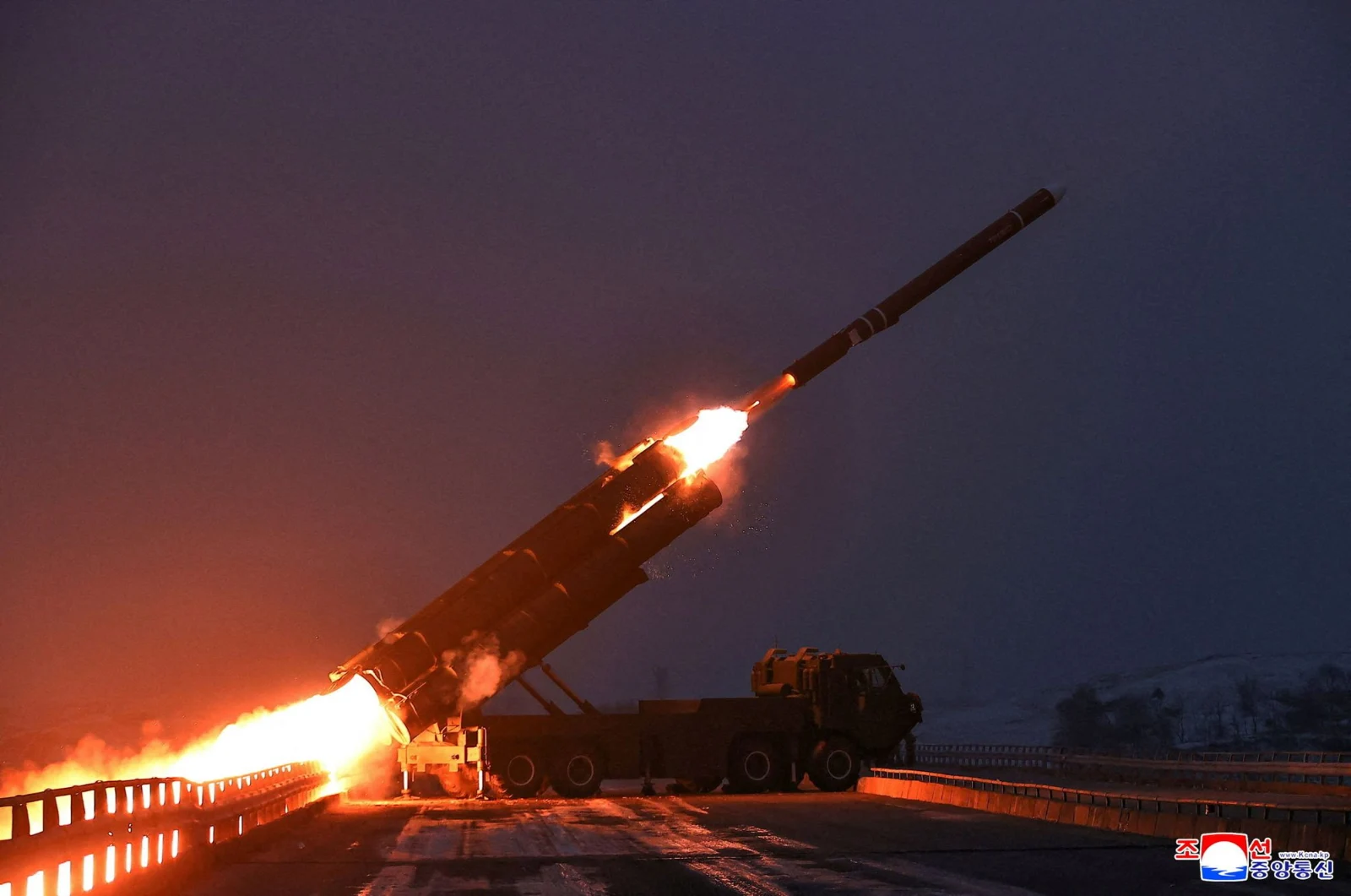
North Korea conducted a new short-range ballistic missile launch toward the sea off its eastern coast on Thursday, reigniting tensions on the Korean Peninsula and once again challenging United Nations Security Council resolutions that prohibit the regime from developing and testing such weaponry.
The Joint Chiefs of Staff of South Korea reported that the projectile was detected around 5:00 PM local time after being fired from the coastal area of Wonsan in eastern North Korea. This is the regime's first confirmed ballistic test in over 40 days, following a series of weapon tests conducted in the early months of the year.
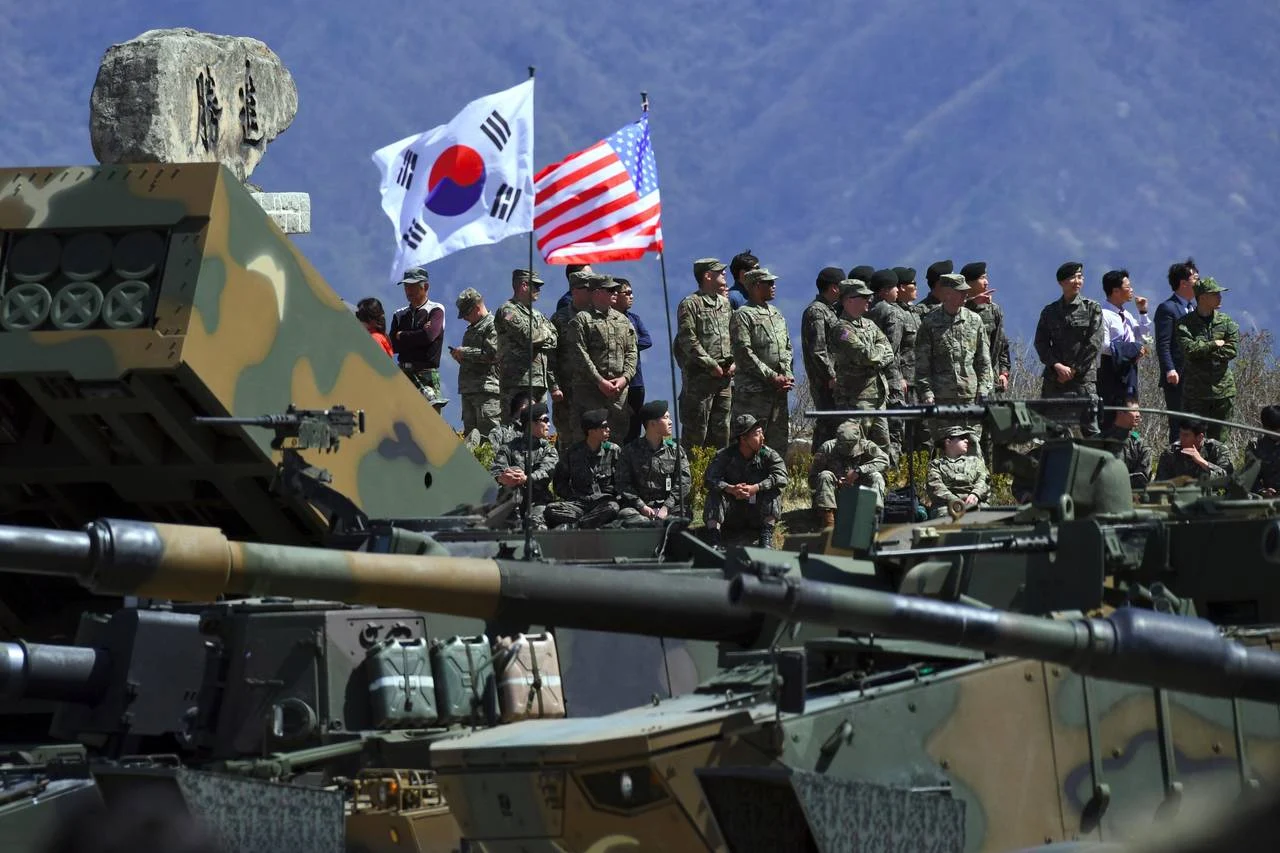
The launch occurs just days before the start of joint military exercises between South Korea and the United States, maneuvers that both allies consider essential to strengthen their defensive capabilities and improve deterrence against the growing nuclear and missile threats from the regime of . Pyongyang, however, often denounces these drills as supposed preparations for an invasion, an argument it frequently uses to justify the ongoing development of its armament program.
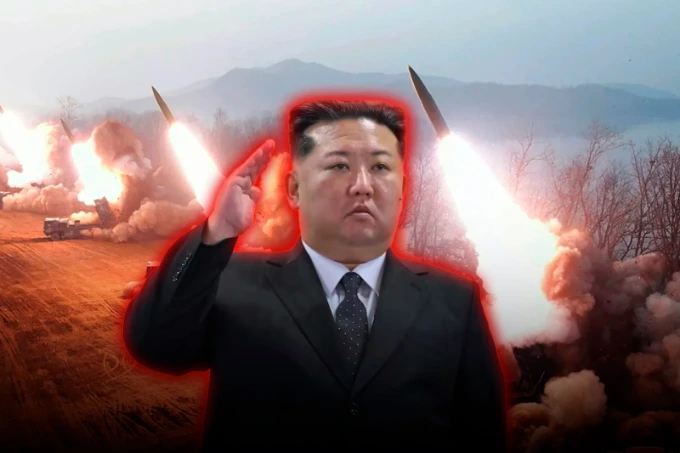
The communist regime of Kim Jong-un launched a new barrage of missiles off the coast of South Korea, increasing tensions in the region
Following the launch, the South Korean presidential office convened an emergency meeting of the National Security Council to assess the situation. The government of Seoul condemned the test, labeling it a provocation that violates UN Security Council resolutions and warned that such actions increase regional instability at a time of heightened tension.
The United States also reacted quickly. The Indo-Pacific Command reported that it was monitoring the launch in close coordination with South Korea and Japan. Although initial assessments indicated that the missile did not pose an immediate threat to U.S. territory, its forces deployed in the region, or its allies, Washington reiterated its commitment to the defense of South Korea, Japan, and U.S. territory against any aggression.
The Japanese government also confirmed that North Korea had conducted what appeared to be the launch of a ballistic missile and continued to gather information along with its regional partners to determine the characteristics of the projectile and its trajectory.
The escalation provoked by North Korea comes just days before new military exercises that South Korea and the United States will hold
Experts believe that the test could be a response to recent statements by Kim Yo Jong, sister of North Korean leader Kim Jong Un and one of the most influential figures in the regime. Days ago, she publicly criticized Japan for conducting exercises with Tomahawk cruise missiles, which some analysts interpret as a possible political trigger for Pyongyang's new show of force.
Throughout 2026, North Korea has maintained a steady pace of military tests, including short-range ballistic missiles, multiple rocket launch systems, and other tactical weapons. According to North Korea's state news agency, the most recent confirmed test, conducted at the end of June, included a modernized 240-millimeter multiple rocket launcher system, tactical ballistic missiles, and a 155-millimeter self-propelled howitzer.
The persistence of these tests reflects the regime's determination to continue expanding its military capabilities despite international sanctions and repeated condemnations from the international community. Various governments have warned that the ongoing development of weapons by Pyongyang poses a threat to the stability of Northeast Asia and increases the risk of miscalculations that could lead to a larger crisis.
Meanwhile, the armed forces of South Korea remain on alert for the possibility of new launches. Seoul maintains a constant exchange of information with the United States and Japan to monitor North Korean military movements and coordinate a joint response to future provocations. The new test confirms that Kim Jong Un's regime continues to prioritize military confrontation and the strengthening of its arsenal over diplomatic dialogue, keeping open one of the main threats to security and stability in the Asia-Pacific.
Days ago, the sister of the North Korean dictator launched strong criticism against Japan for its closeness to the United States