The final stretch of Stranger Things, one of Netflix's flagship series, has been marred by a strong negative reaction from the public after the release of the episodes corresponding to Season 5, Volume 2, which were launched on Christmas Day.
Far from consolidating the previous enthusiasm for the definitive ending, the new installment caused a significant drop in ratings and an avalanche of criticism on social media and specialized platforms.
Before the premiere of Volume 2, the fifth season maintained a 73% audience score on Rotten Tomatoes. After the release of the new episodes, that figure abruptly dropped to 56%, turning Season 5 into the worst-rated of the entire series.
The phenomenon has been described by numerous users as a case of "review bombing," driven by fans' frustration with narrative and creative decisions that they consider to be failures.
La serie tuvo el peor desempeño desde su lanzamiento
The most questioned episode has been the penultimate one of the series, titled "The Bridge," which currently holds the lowest rating in Stranger Things' history on IMDb, with a 5.4.
This score even surpasses in negative terms the controversial episode "The Lost Sister" from the second season, which for years was singled out as the weakest point of the production. In contrast, the rest of the episodes of the fifth season maintain ratings equal to or higher than 8.0.
The criticism multiplied on platforms such as X and Reddit, where viewers expressed their dissatisfaction with what they consider to be a season overloaded with characters, with repetitive plots, irregular pacing, and excessively long dialogues.
Several comments agree that the episodes move forward slowly and reserve the most relevant moments for the final minutes, repeatedly resorting to "cliffhangers" that fail to sustain narrative tension.
Otro de los puntos criticados fue la lentitud y la falta de coherencia que los episodios de la última temporada mostraron
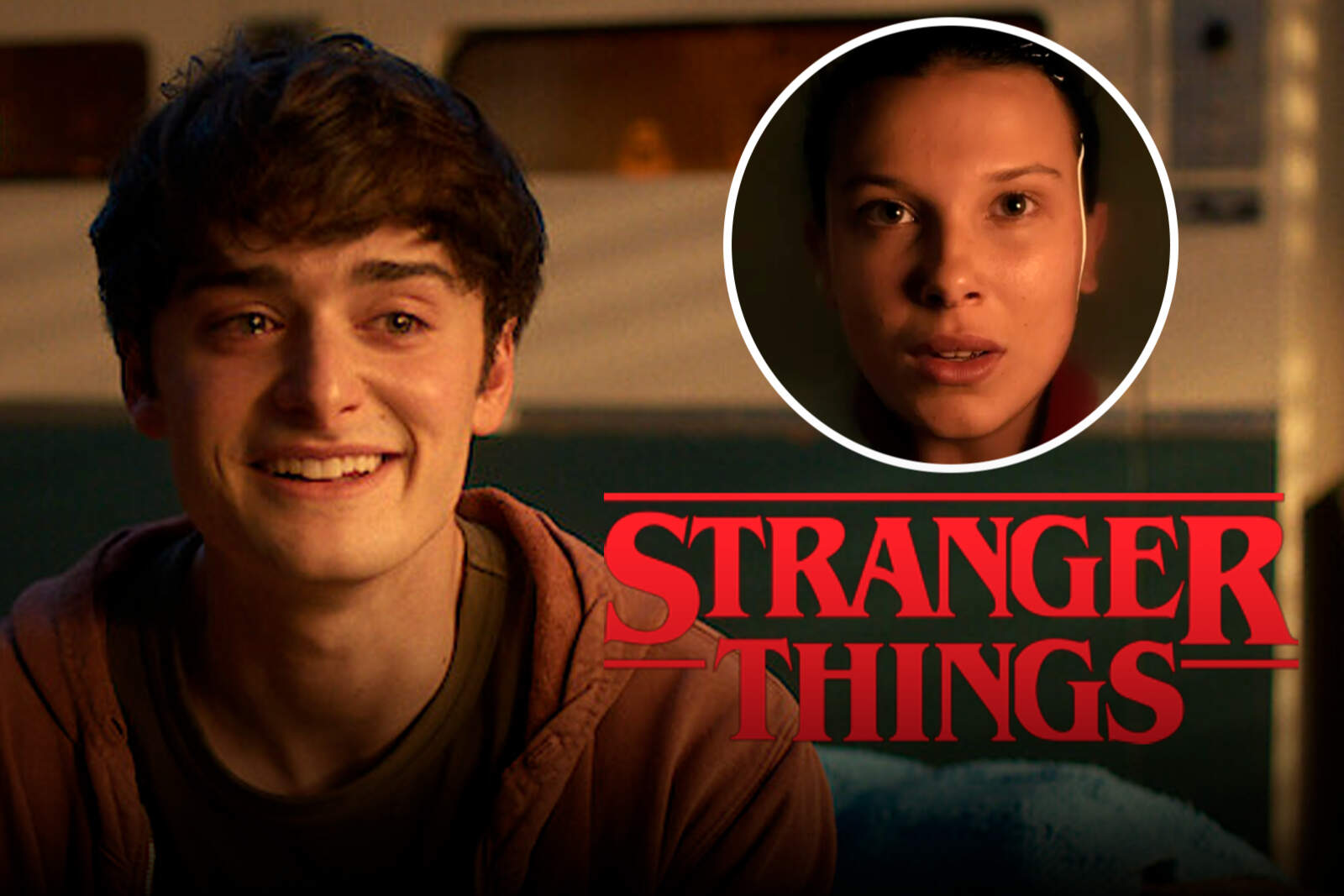
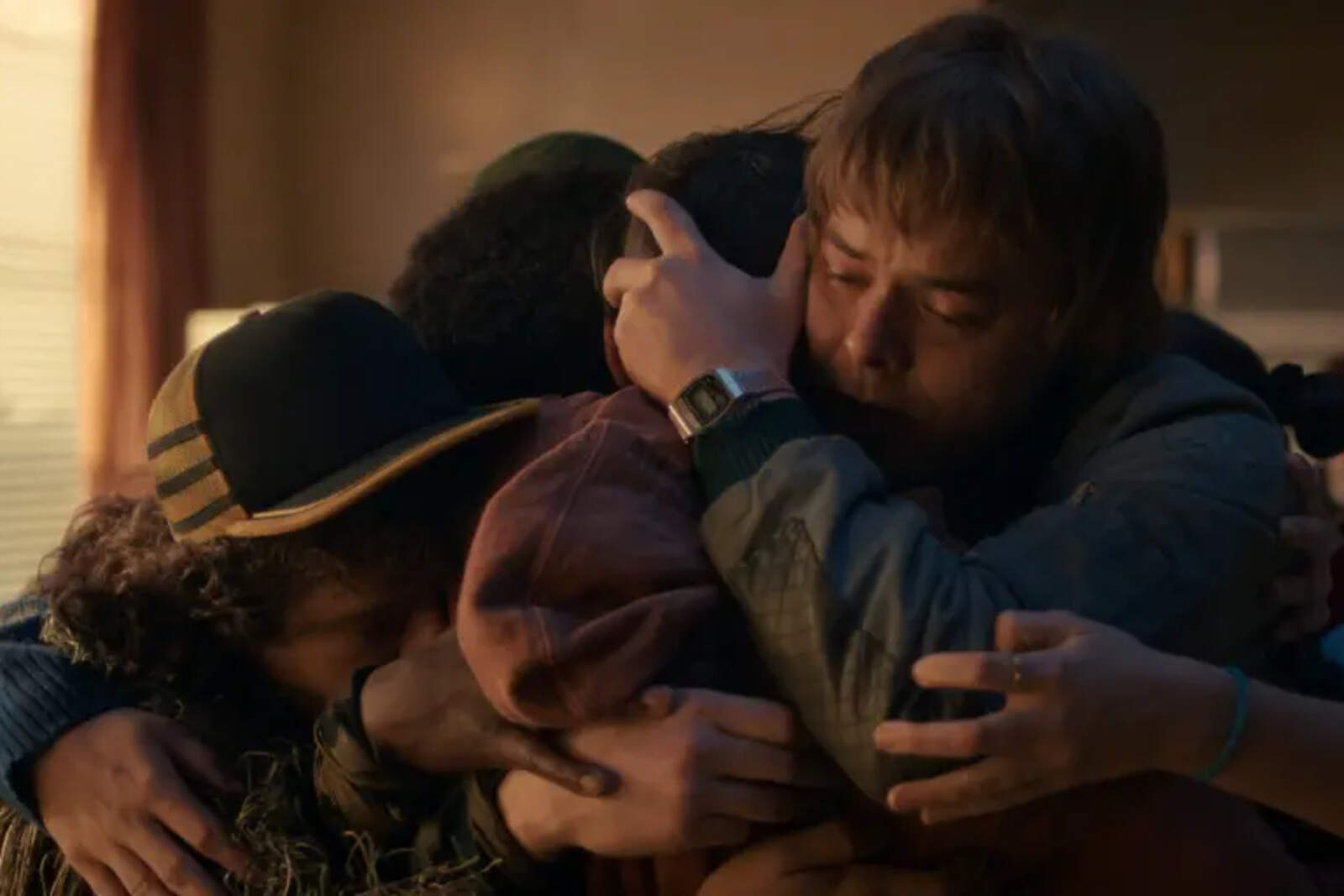
One of the most controversial points of "The Bridge" was the scene in which Will Byers openly reveals that he is gay to the group, just before the final confrontation with Vecna.
Although the character's sexual orientation had already been suggested in previous seasons, many fans questioned the chosen moment and the way the scene was integrated into the plot. Some pointed out that the topic was introduced abruptly and was quickly set aside without further development, being part of a nefarious progressive agenda belonging to the company.
On social media, part of the audience accused Netflix of prioritizing ideological messages over narrative coherence, claiming that the scene diverted attention from the central conflict in a key episode.
El momento más criticado fue la declaración de la sexualidad del personaje de ''Will Byers'', que no aporta nada a la trama de la serie
Others described the moment as awkward or unnecessary within the context of a story that is approaching its conclusion. These criticisms were added to a general discontent over what many consider to be a decline in script quality compared with previous seasons, especially in comparison with the fourth, which was widely praised.
From Netflix, the defense came through actor Noah Schnapp, who plays Will. In a recent interview with Tudum, Schnapp stated that the scene was deeply meaningful to him and he welcomed the fact that the creators decided to explicitly close the character's arc. However, his statements did not manage to stop the negative reaction from a significant part of the audience.
With the two-hour final episode scheduled to premiere on the night of December 31, Stranger Things reaches its conclusion amid an unexpected controversy. For Netflix, the challenge now is to close one of its most successful franchises under a climate of criticism that questions both the creative decisions and the narrative management of a series that defined an era on the platform.
Netflix intentará cerrar la serie sin afrontar pérdidas económicas