A survey revealed that the President's positive image grew to 48%, and economic expectations are improving
Compartir:
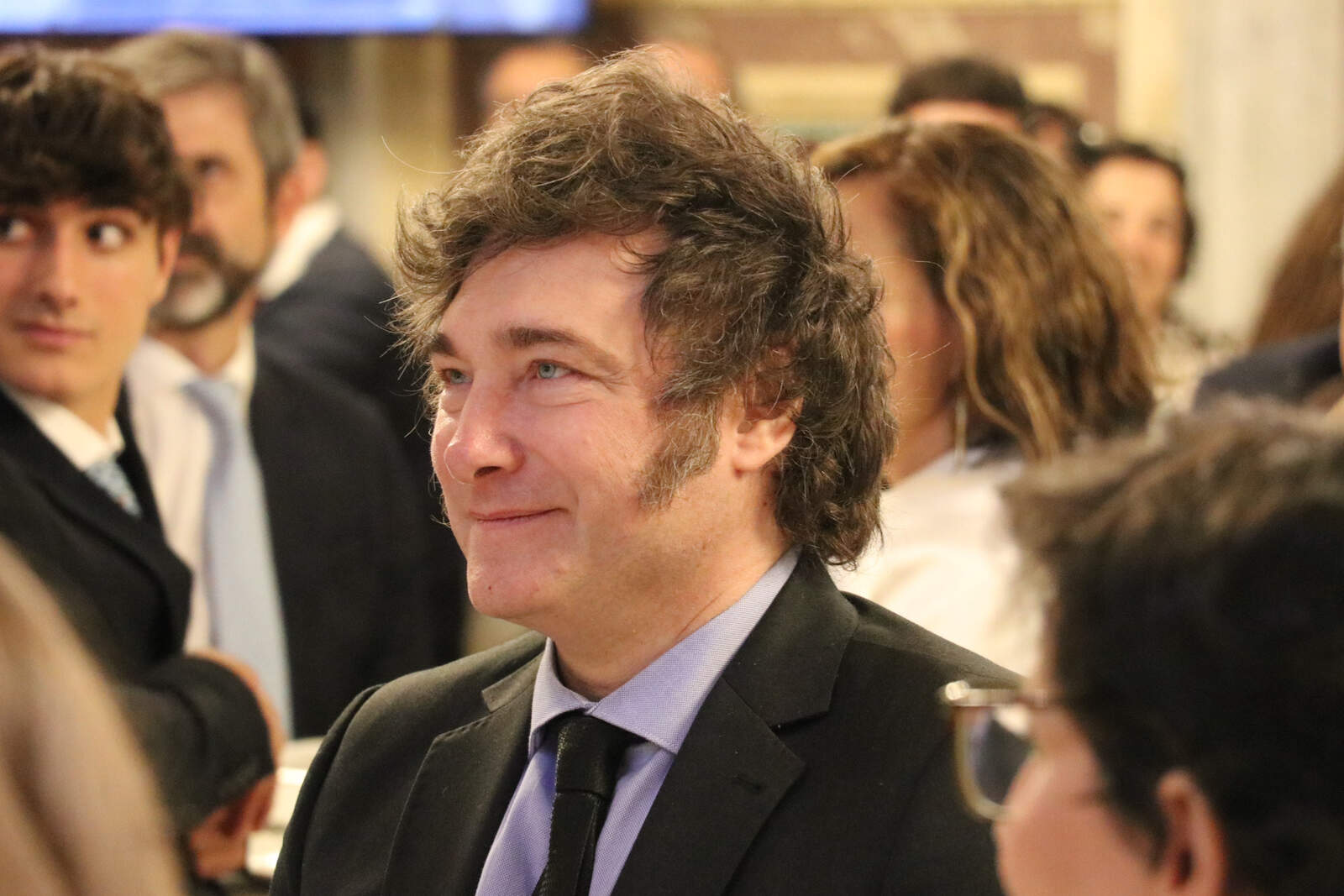
The image of President Javier Milei experienced a significant rebound after the legislative elections, marking a change in trend following four consecutive months of decline. According to a survey by Opina Argentina, the president reached 48% positive approval, which represents an increase of eight points compared to the previous month. Meanwhile, the negative rating dropped to 52%, showing a downward trend amid a more favorable political climate for the Government.
The electoral result—with key victories in districts such as Buenos Aires province—served as a political boost for La Libertad Avanza and reinforced the perception of stability in the economic direction. According to the survey, conducted between November 1 and 4, 42% of respondents believe that Argentina is better off than a year ago, compared to 34% recorded in October.
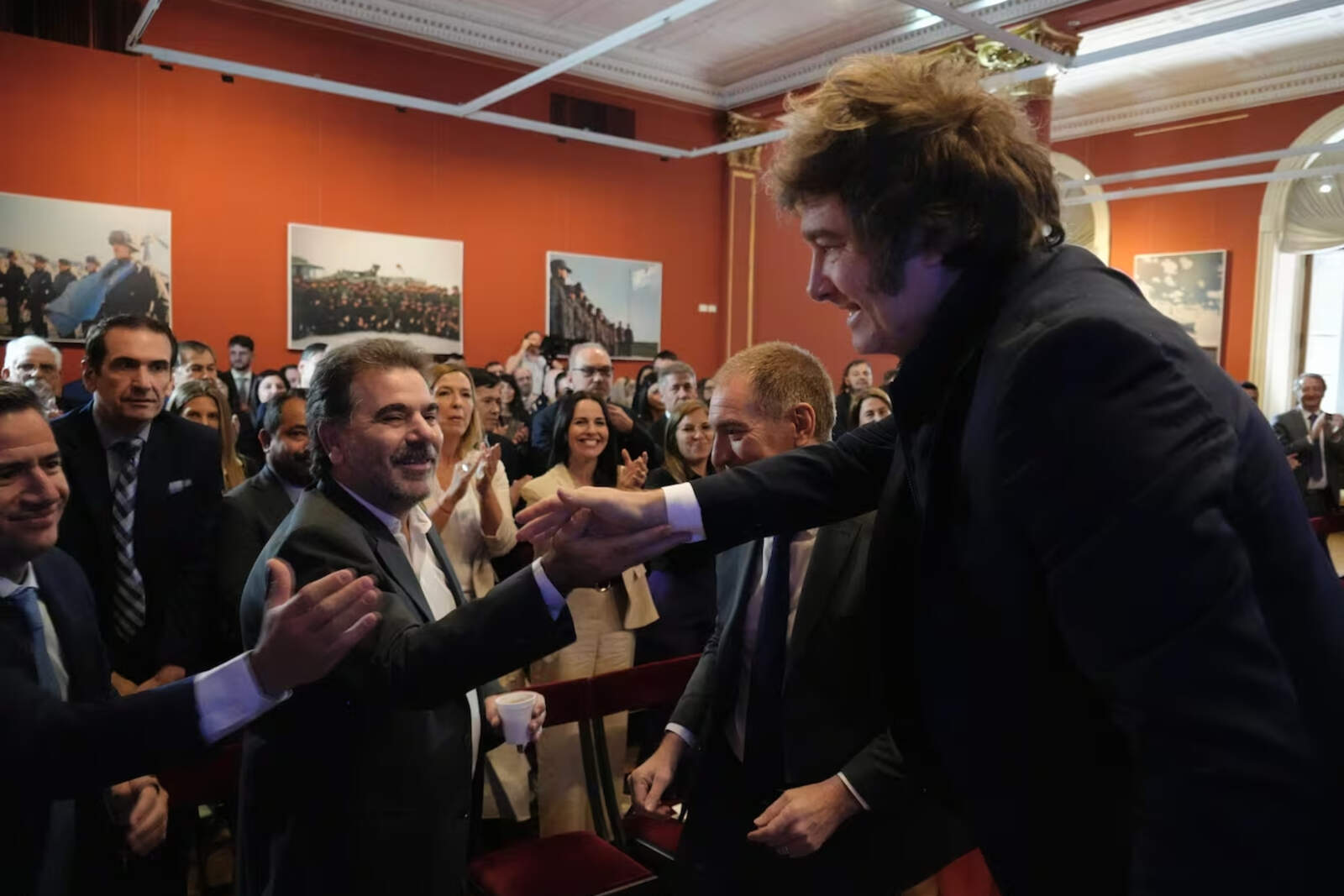
Javier Milei se reunió con 51 diputados.
The rebound is seen especially among the younger segment: among voters aged 16 to 29, support for the Government climbed to 63%, confirming the persistent identification of new generations with the liberal-libertarian ideology. In addition, 45% of those surveyed declared themselves "followers" of Milei, compared to 36% the previous month. Among libertarian voters, more than half stated that their vote was based on the conviction that the Government's efforts "will bring results," while one in four did so because of the promise to stabilize inflation.
In the positive approval ranking, Milei leads the political spectrum, followed by Patricia Bullrich (47%), Luis Caputo (42%), and Axel Kicillof (41%). This combination of leadership and renewed expectations places the President in a position of strength heading into the next legislative stage, where he will seek to deepen economic and administrative reforms.
Javier Milei y su gabinete junto a los gobernadores.
A second study by consulting firm Opinaia reached the same conclusion. According to its findings, support for the President is explained by his "outsider" political profile and the persistent expectation of economic change, factors that continue to define his relationship with the electorate. Both studies emphasize that, despite economic difficulties, a social majority perceives that the country "is heading in the right direction".
The rebound in approval coincides with a stage of consolidation of the Government's program and greater alignment of the provinces with national fiscal policy. The result is interpreted as social support for the austerity path and structural reforms promoted by the President.