A study in Nature Astronomy suggests that Mercury formed after a collision between protoplanets of similar mass
Nuevo
Agregar La Derecha Diario en
Compartir:
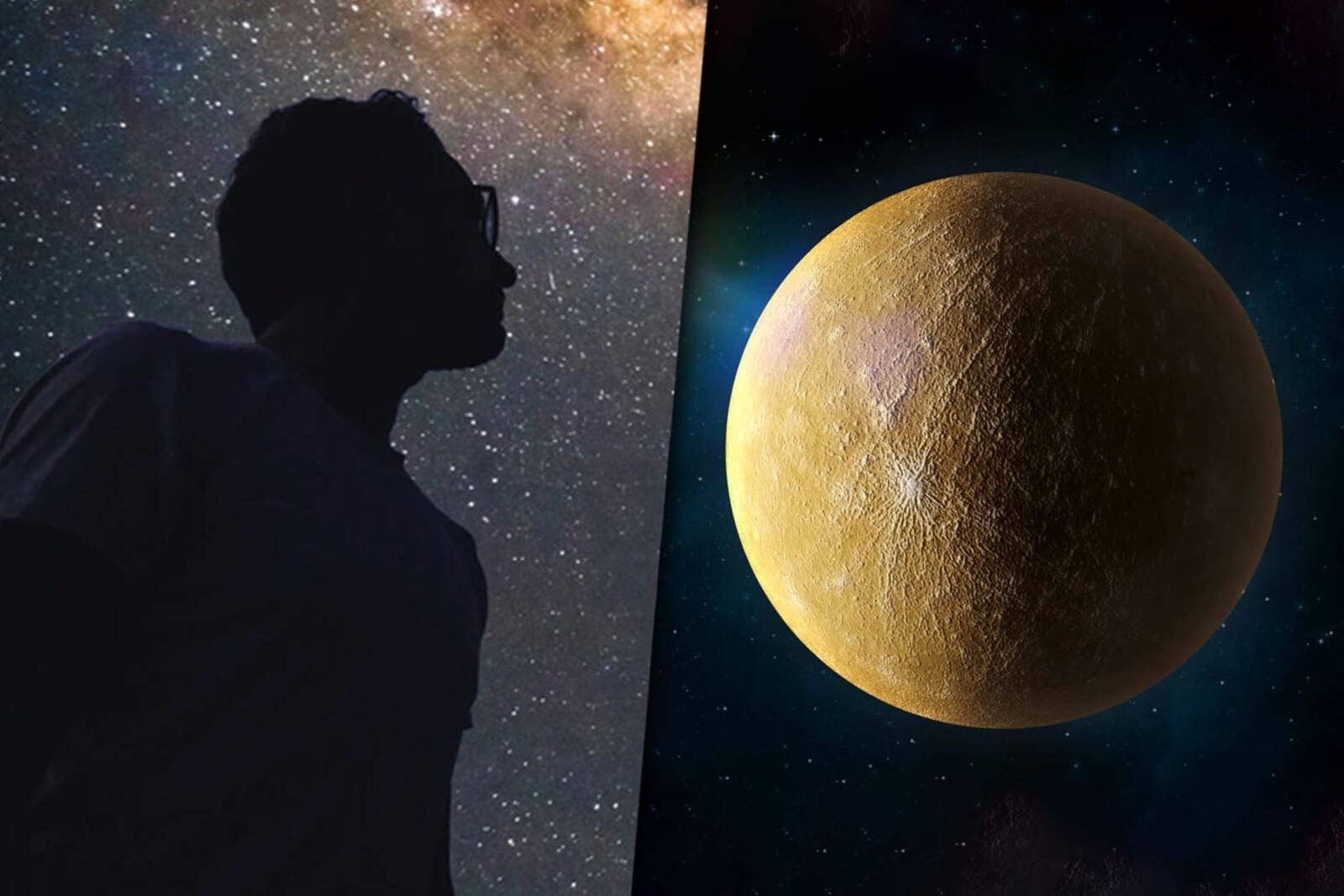
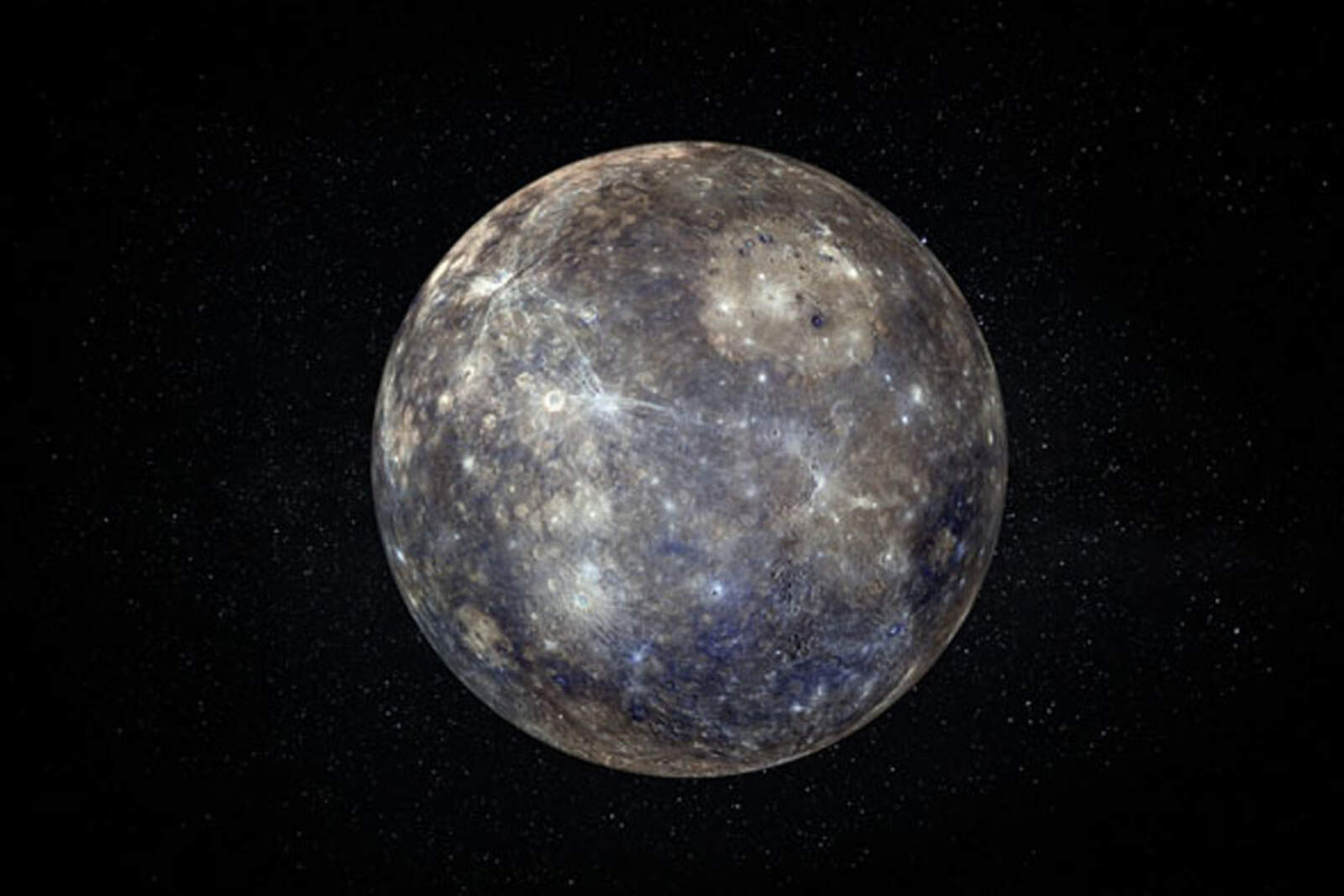
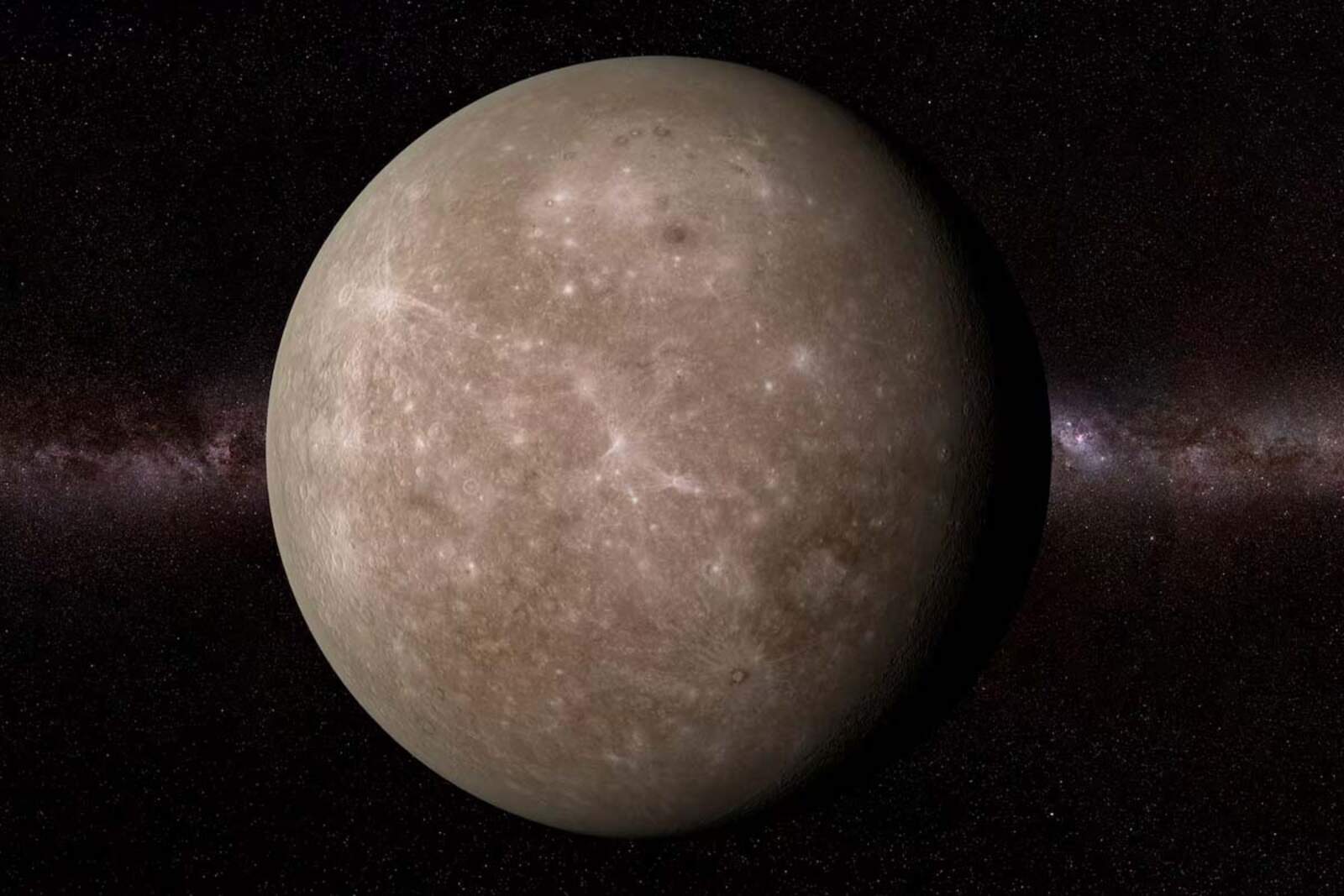
A study published in Nature Astronomy casts doubt on the classical theory regarding the formation of Mercury. The research, conducted with advanced simulations, indicates that the planet may have originated from a collision between bodies of similar mass.
The work was led by Patrick Franco, an astronomer at the National Observatory of Brazil and a researcher at the Institut de Physique du Globe de Paris. According to the specialist, this new approach could change the way we understand the origin of the planet closest to the Sun.
El planeta pudo haberse originado por una colisión entre cuerpos de masa similar
A different hypothesis about Mercury's origin
For decades, the accepted explanation was that Mercury lost much of its mantle after a collision with a much larger object. However, this type of impact is considered very rare in the early Solar System.
The new model proposes that the planet formed after a grazing collision between two protoplanets of similar mass. This scenario is not only more likely, but also explains its current composition.
Advanced simulations to understand the collision
The researchers used the smoothed particle hydrodynamics (SPH) technique, which can accurately recreate collisions and fragmentations. With this tool, they managed to reproduce Mercury's mass and its high metal-to-silicate ratio with a margin of error of less than 5%.
Lograron reproducir la masa de Mercurio
The model suggests that the planet lost up to 60% of its original mantle, which explains why it retains an oversized metallic core and only a thin rocky layer.
The fate of the ejected material
A key point of the study is that part of the debris caused by the impact may have been ejected into space and not reincorporated into the planet. This solves a limitation of previous theories and opens up the possibility that this material ended up on other planets, including Venus.