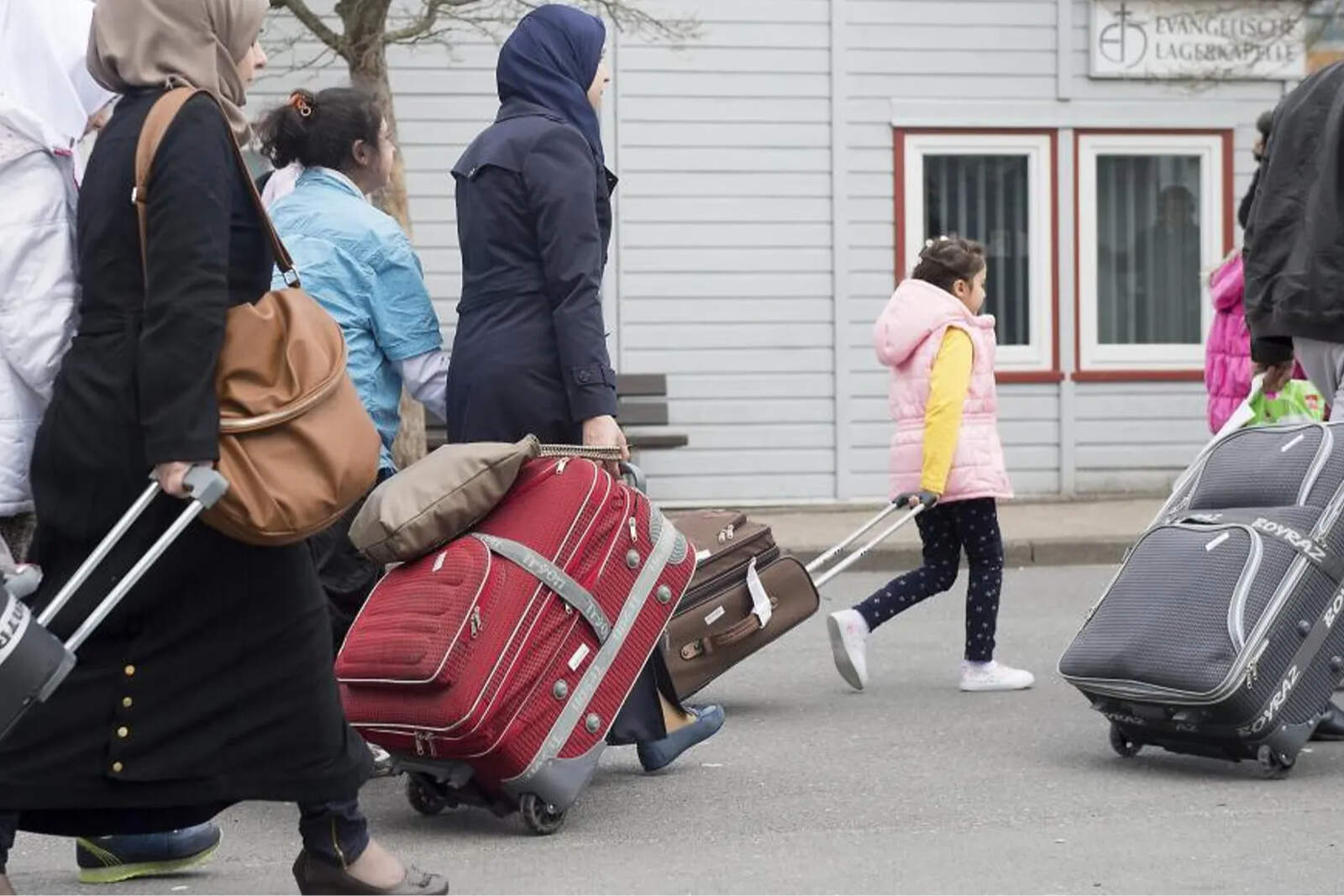

The Syrian government formally requested that Germany not move forward with mass deportations of Syrian citizens, warning that the return of thousands of people could worsen the "humanitarian crisis" and generate new internal tensions.
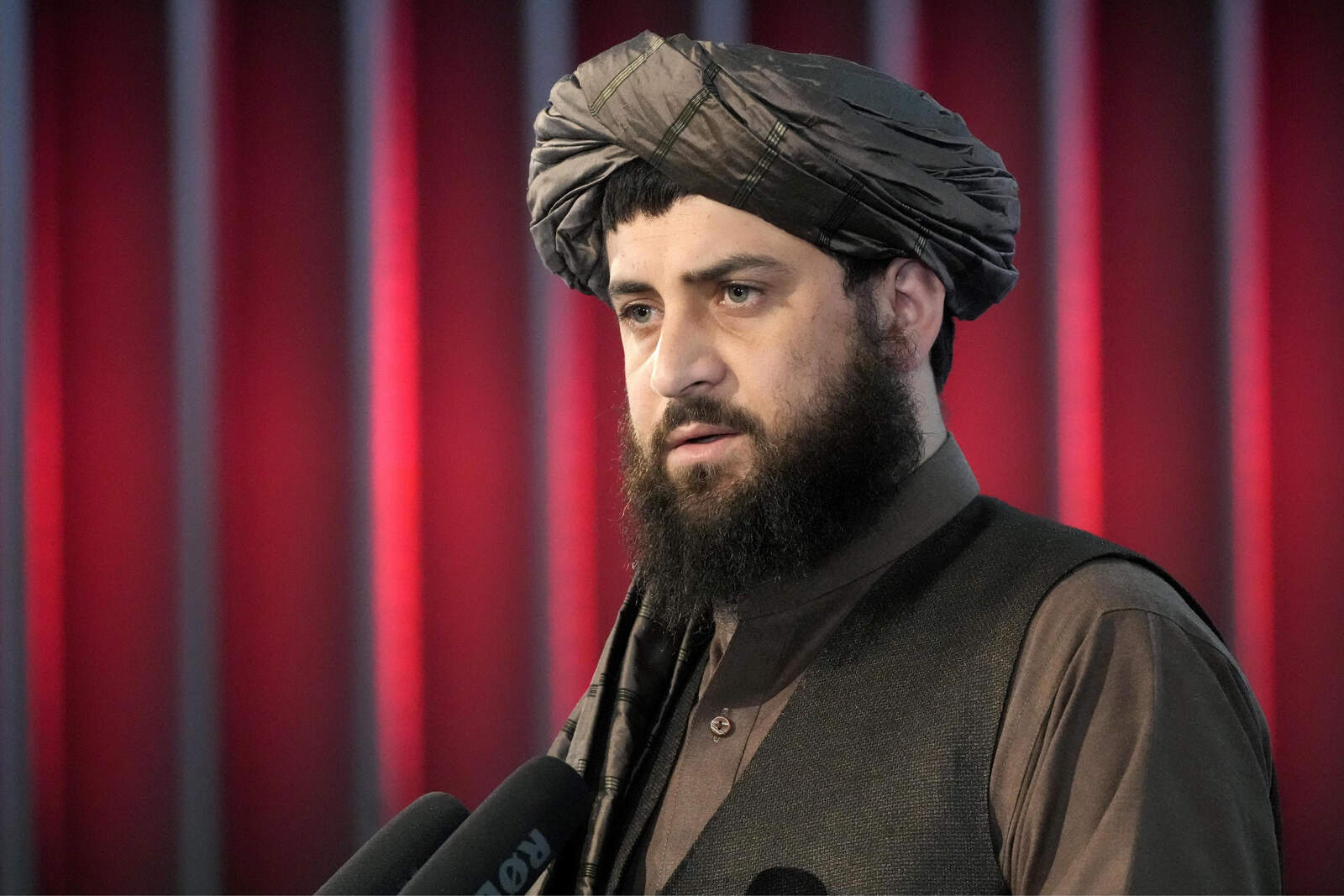
The request was conveyed by Mohammed Yaqub al-Omar, director of the consular department of the Syrian Ministry of Foreign Affairs, who asked for more time for the reconstruction of the country after the fall of Bashar al-Assad's regime. According to his explanation, 1.5 million people currently live in tent camps in the north of the country due to the destruction of homes, schools, roads, and basic services such as electricity and water.
From Damascus, officials maintain that a massive return from Germany could overwhelm an already weakened infrastructure, forcing thousands of repatriated people to settle in refugee camps. The central argument of the Syrian government is that the country still doesn't have sufficient structural conditions to absorb that volume of population.
In Germany, the issue has opened a strong political debate. Leaders of the Christian Democratic Union (CDU) and its Bavarian ally, the Christian Social Union (CSU), maintain that the legal grounds for granting international protection ceased to exist after the end of the previous regime. Alexander Throm, domestic policy spokesperson for the CDU/CSU bloc, stated that the right of residence depends exclusively on the continued need for protection, and that this scenario changed after Assad's fall. He also argued that returns to safe areas are viable and that the reconstruction of the country should be led by its own citizens.