
The conditions for negotiation
According to sources reported to Reuters last month, among the conditions set by the United States to begin lifting the sanctions imposed on Syria are the total elimination of any remaining chemical arsenal and active collaboration in the fight against terrorism.
In exchange for meeting these requirements, Washington would be willing to partially ease economic sanctions. One of the concrete measures would be to extend for two years the current exemption that allows transactions with Syrian state entities, and the possibility of implementing a new exemption is also being evaluated.
Additionally, the U.S. government would issue a statement reaffirming its support for Syria's territorial integrity. However, no deadline was set for meeting the conditions.
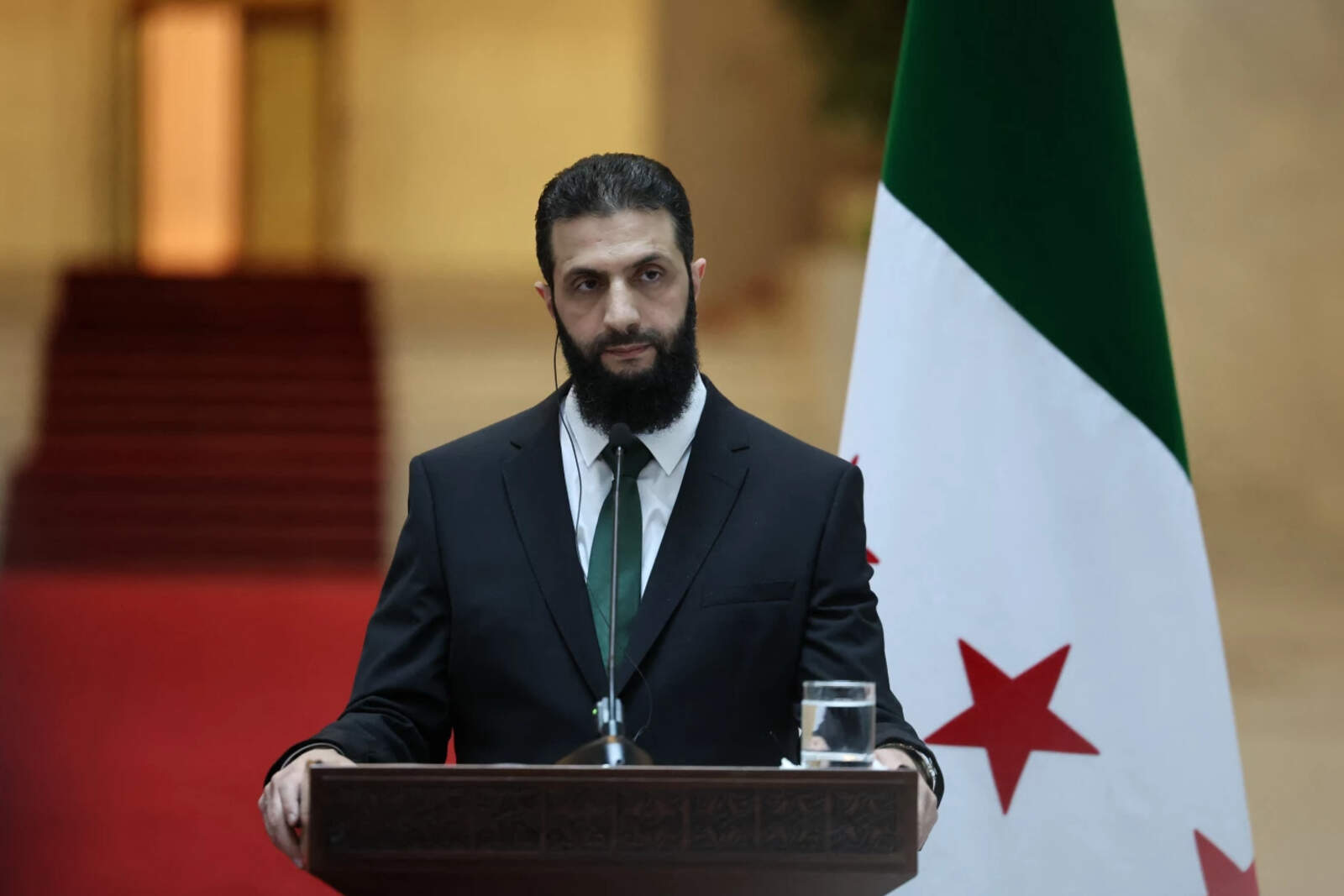
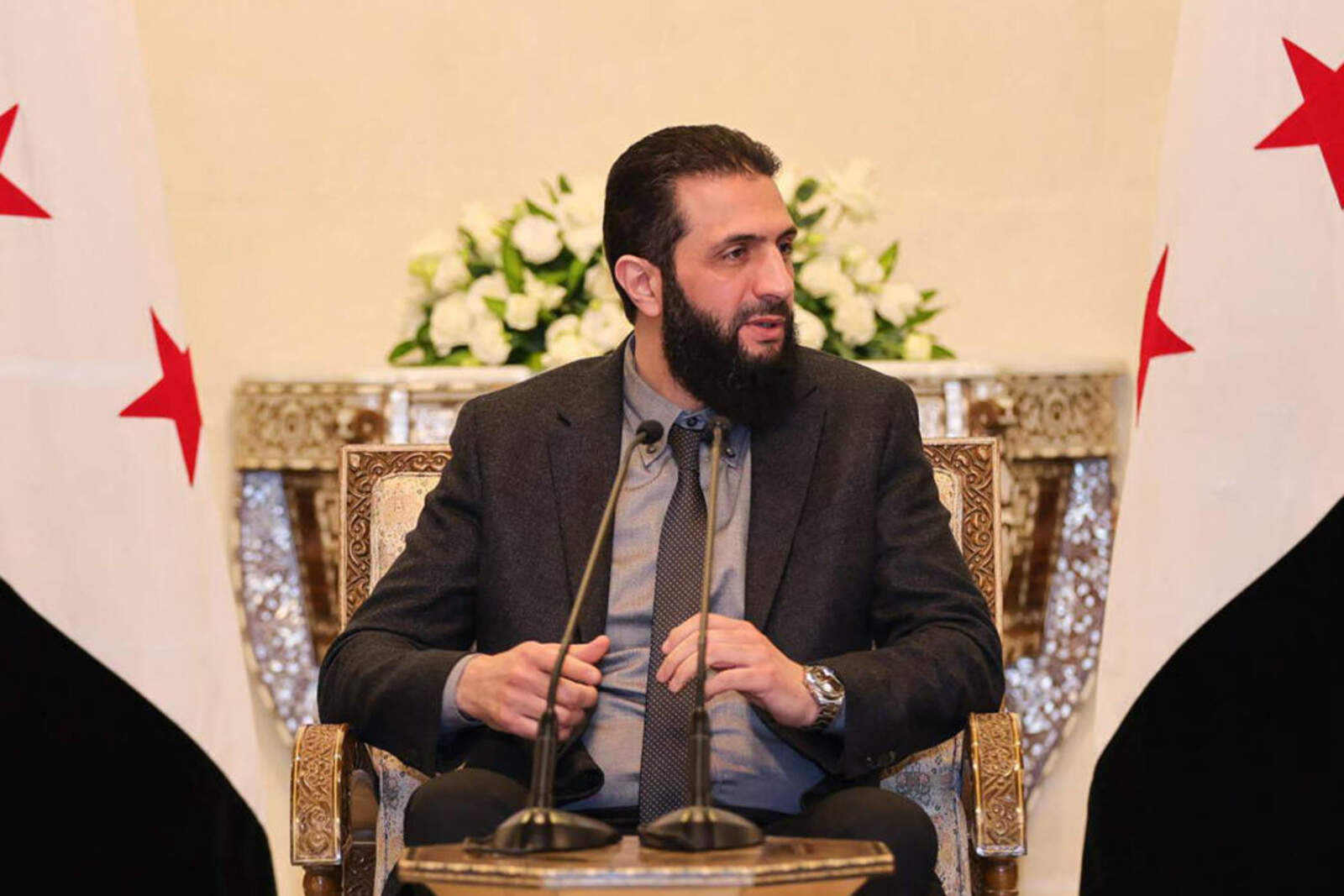
Meanwhile, Israel has repeatedly expressed its distrust toward Hayat Tahrir al-Sham, the Islamist group led by Ahmed al-Sharaa that managed to overthrow Bashar al-Assad. The organization, which was originally linked to Al Qaeda until breaking ties in 2016, is seen by the Israeli government as a threat, and it has expressed its determination to prevent Syria from falling under the control of hostile regimes.
The demands could range from operational requests—such as troop withdrawal or cessation of hostilities—to more sensitive strategic issues, like the future situation of the Golan Heights, where options range from an Israeli withdrawal to the declaration of a demilitarized zone or joint administration.
As an indication that the new Syrian leadership might be willing to take concrete actions, Palestinian media reported on Tuesday that Sharaa's regime arrested Khaled Khaled, responsible for the Syrian link in the Palestinian Islamic Jihad organization, and Abu Ali Yasser, a key member of the group's executive committee in Damascus.
In a statement, the Islamic Jihad expressed its surprise at the arrests, stating that they occurred "in an unexpected manner" for a country like Syria.