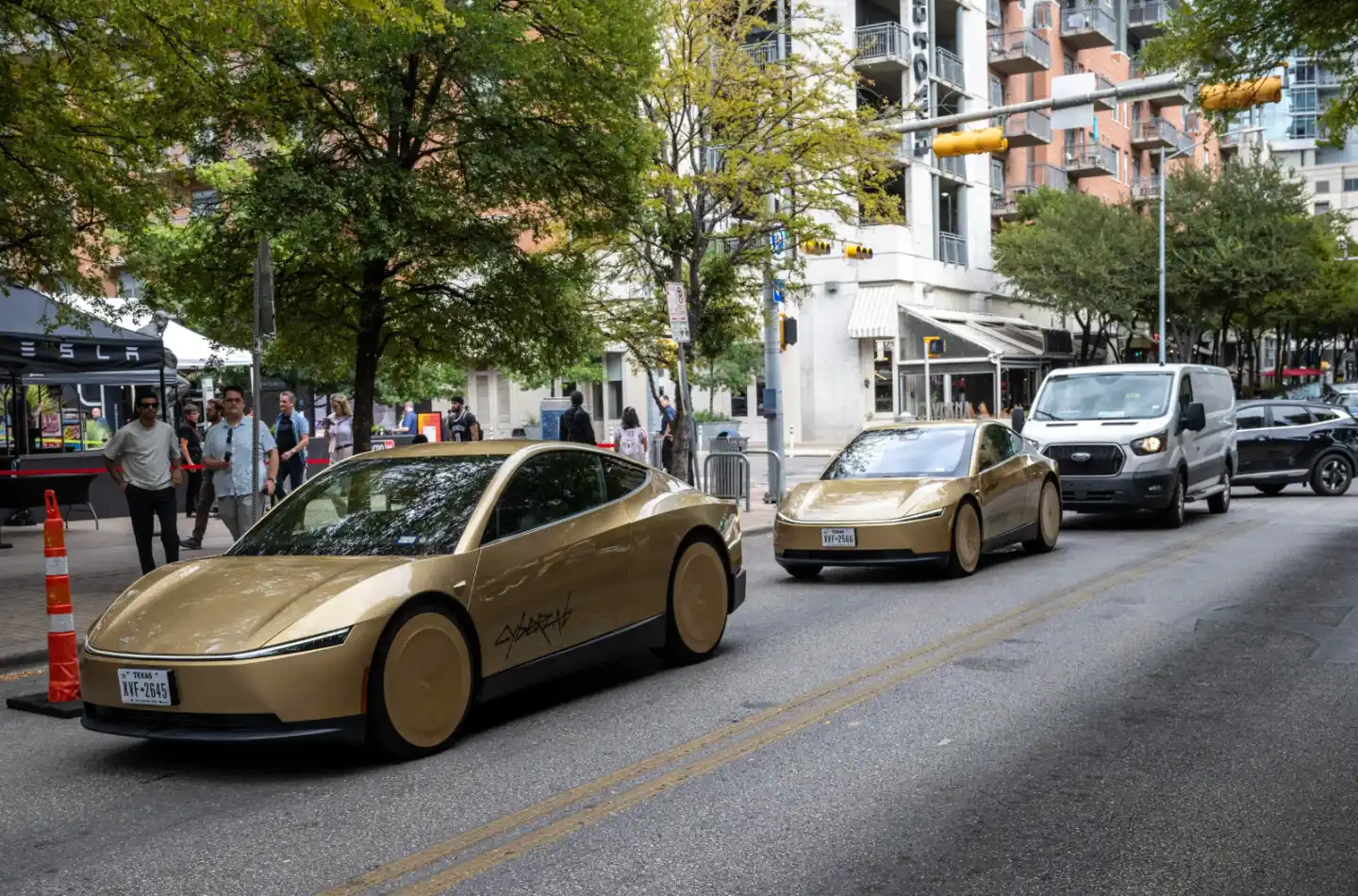
Tesla has already informed the Austin police department about the Cybercab service, although it is unclear if these manual controls were part of that conversation.
Passengers who encountered the virtual joystick attempted to use it, but without success. Fortunately, the commands did not respond, or perhaps they did not activate them correctly. Why these controls were displayed during customer trips remains a mystery. Everything points to an early error that Tesla should correct before the Cybercab expands to more cities.
The company built this vehicle as an example of total autonomy. The message was clear: steering wheels and pedals are relics of the past, and the Cybercab represents the future. However, even the car of tomorrow may need a human hand from time to time to navigate very specific situations.
For now, the discovery highlights that even in a design that completely eliminates physical controls, a backup resource for the fleet operating personnel is still necessary. The virtual joystick fulfills exactly that role, although its accidental appearance in front of users raises more questions than answers.
As Tesla adjusts these details, the first trips in Austin continue to demonstrate that the transition to driverless vehicles is not without surprises. The presence of these hidden commands reinforces that, behind the promise of full autonomy, there is still a layer of human control designed for specific situations.
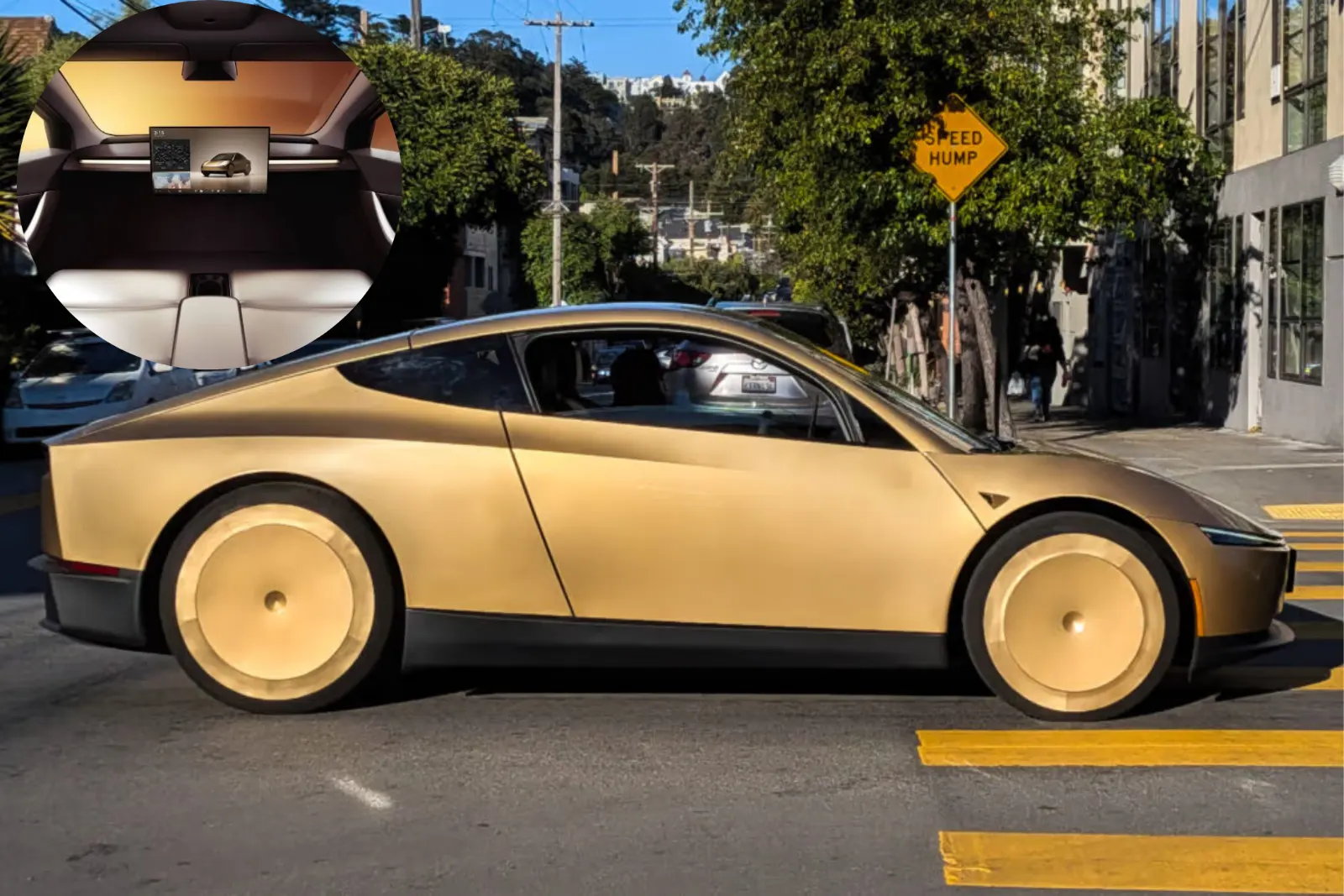
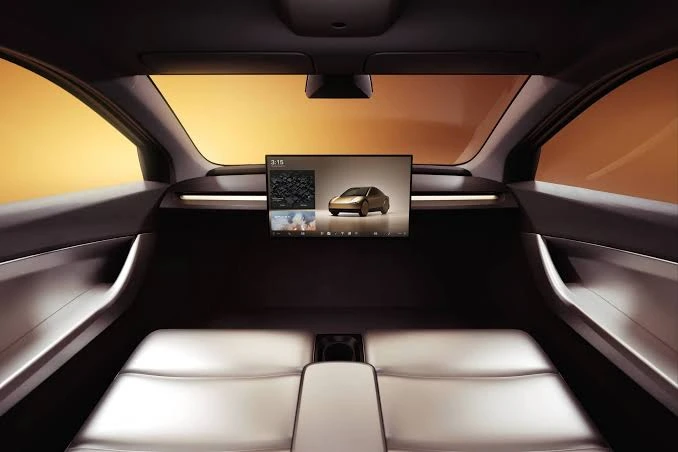
The Tesla Cybercab stands out precisely for what it lacks: no steering wheel and no pedals. It was designed as a fully autonomous vehicle, with no form of manual control for those traveling inside. Or at least that was believed until now.
Less than a week after its official launch in Austin, Texas, several passengers discovered that the Cybercab holds a secret. In at least two videos posted on X, a virtual joystick appears on the central screen that seems intended solely for Tesla employees.
It is a box in the lower left corner of the main screen. In the center, there is a manual control that indicates "forward" at the top and "reverse" at the bottom. It also includes buttons to stop the vehicle, honk the horn, and manually open the doors. On the right, live camera feeds are displayed, although in one of the videos, the image was frozen at a Supercharger from a previous trip.
These controls are not intended for customers. They were clearly created so that Tesla and depot workers can move the Cybercab at low speeds in tight spaces, for example, to park it without having to call for help from the remote control center.
A tool for staff and, perhaps, for emergencies
The idea is simple: since the Cybercab has no traditional controls, the company needed a solution for its fleet personnel to reposition the vehicles when necessary. This virtual display allows for direct operation. In theory, it could also assist police or emergency services if they need to remove a Cybercab from the roadway.