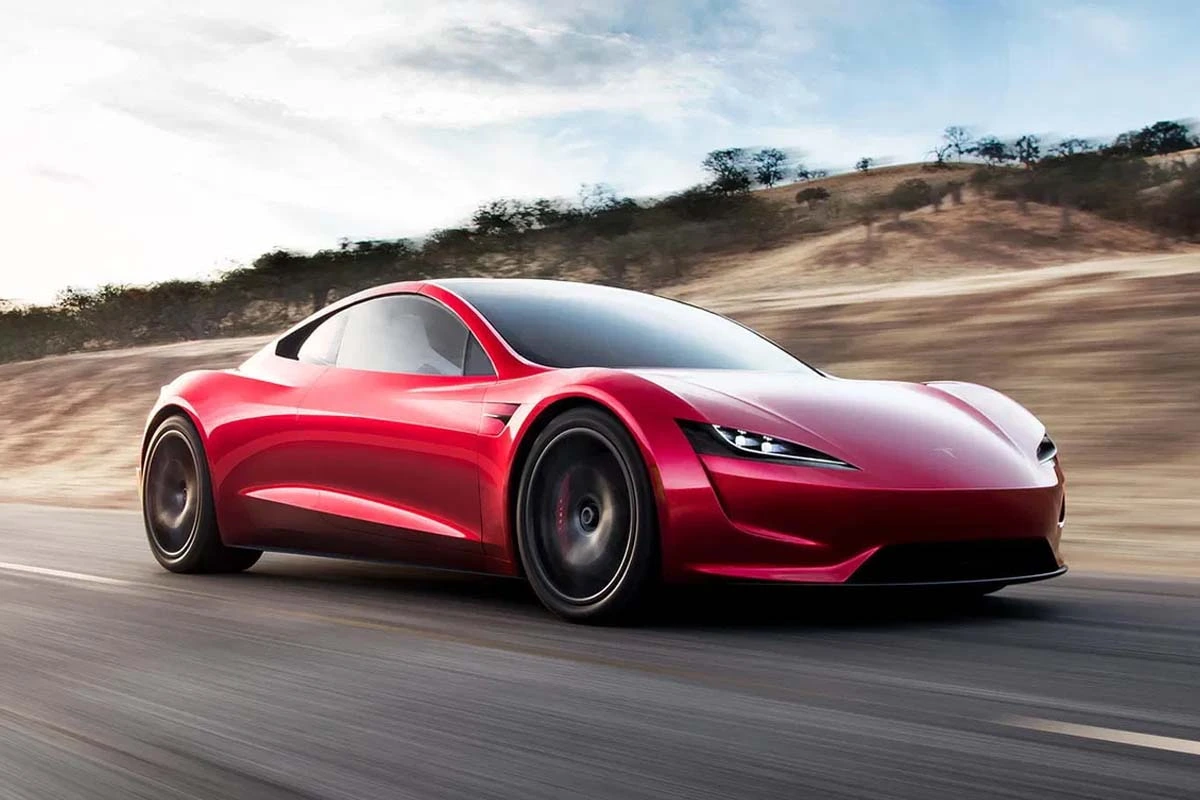
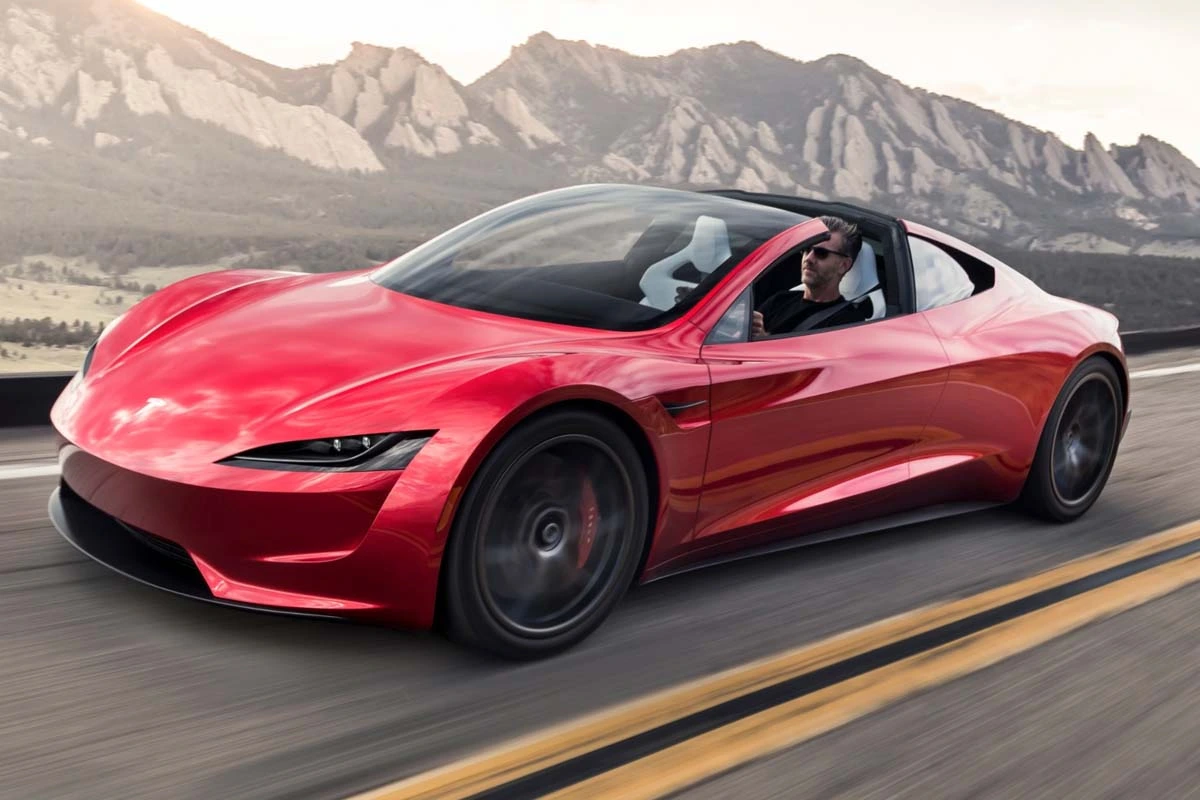
The second-generation Tesla Roadster will be unveiled on October 1, nearly nine years after the first prototype. The limited edition will incorporate technology developed alongside SpaceX.
The system will use cold gas thrusters to enhance acceleration, braking, and the ability to corner at higher speeds. Tesla has yet to define the final configuration, price, or production start date.
The second-generation Tesla Roadster will be unveiled on October 1
How SpaceX's thrusters will work
The thrusters will expel gas stored at very high pressure through small nozzles distributed at various points on the car. The system will not use rocket fuel or generate flames.
Elon Musk proposed this technology in 2018, with an optional “SpaceX package” that would include about ten thrusters.
Depending on their location, they could provide thrust, enhance braking, and help the Tesla Roadster corner at higher speeds. Musk even suggested that the vehicle could lift off the ground for a few moments.
How SpaceX's thrusters will work
According to Reuters, Tesla could test the system at SpaceX facilities in McGregor, Texas. Due to the risks associated with compressed gas, acceleration, and noise, the demonstration could be conducted with the car operated remotely.
The figures Tesla promised for the Roadster
When it unveiled the prototype in 2017, Tesla promised an acceleration from 0 to 96 km/h in 1.9 seconds. It also announced 400 meters in 8.9 seconds and a top speed exceeding 402 km/h.
The figures that Tesla had promised for the Roadster
The expected range was around 998 kilometers with a 200 kWh battery. That package would also make the sports car heavier than traditional supercars.
Since then, models from Rimac, Pininfarina, and Yangwang have managed to accelerate from 0 to 96 km/h in under two seconds. Generally, those vehicles cost over US$ 1 million.
Price, production, and the uncertainties Tesla still has
In 2017, Tesla announced a starting price of US$ 200,000 and US$ 250,000 for the Founders Series. Those figures may be outdated nine years later.
Price, production, and the doubts that Tesla still has
The company still needs to define where it will install the gas tank, how many thrusts each charge will allow, and how it will protect pedestrians, drivers, and emergency personnel.
It also remains to be determined whether the version with thrusters will be able to obtain approval to operate on public roads. One alternative would be to limit it to circuits and produce only a few units.