
The government confirmed that it will keep the reforms implemented through delegated decrees in force, despite the recent parliamentary defeat that involved the rejection of five of those measures.
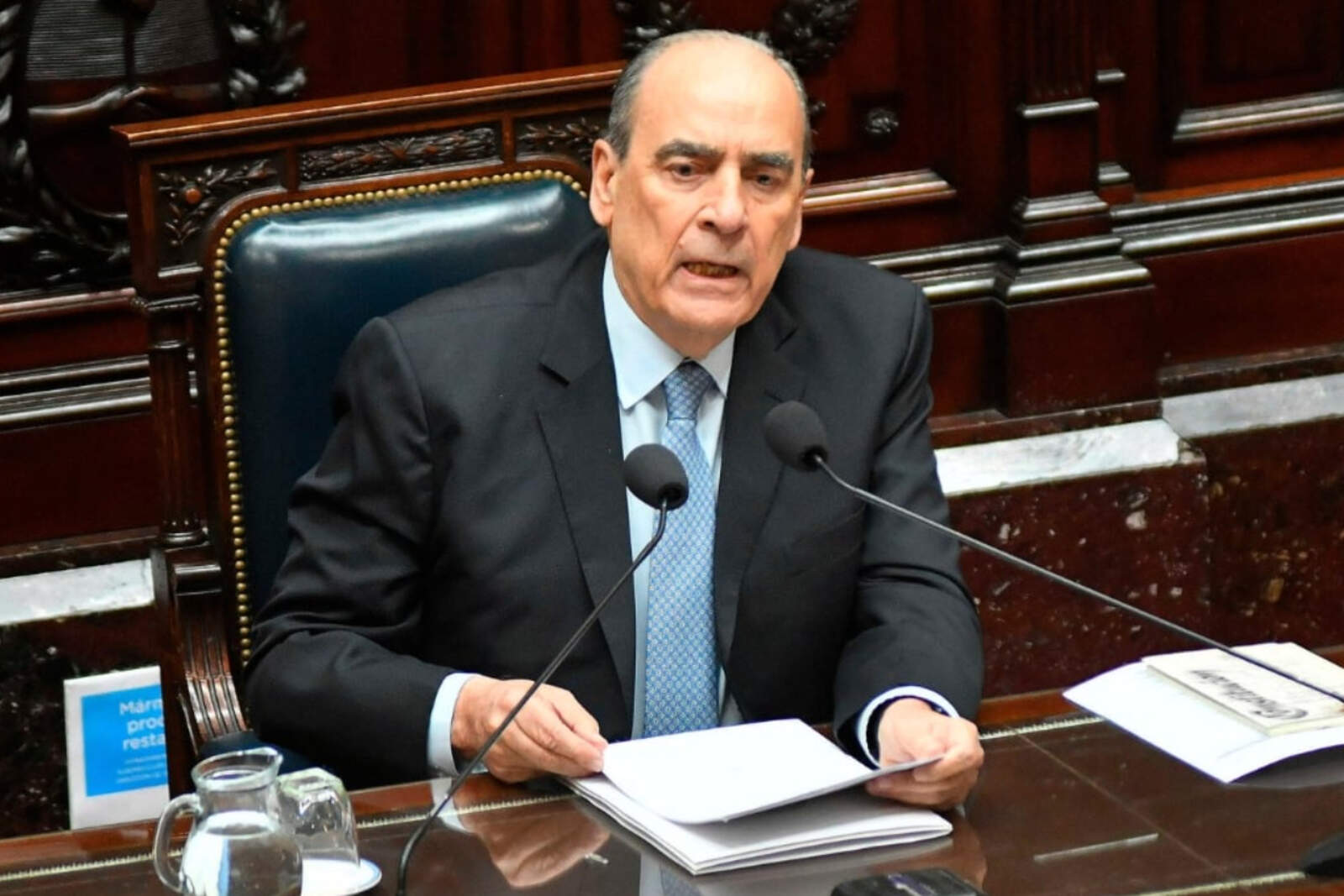
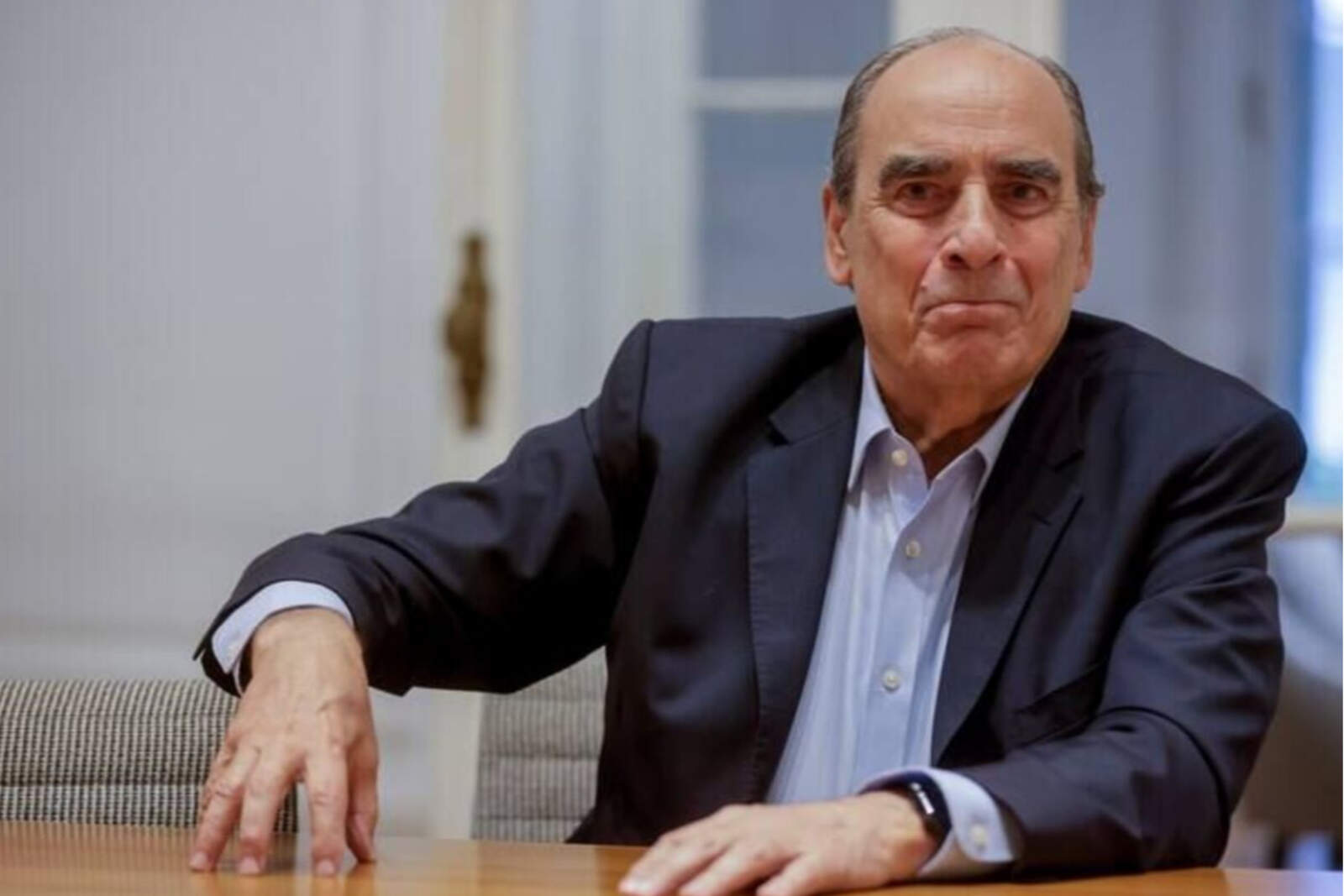
Guillermo Francos, Chief of Cabinet, emphasized that the transformations have already taken effect and that several state agencies, such as INTA and INTI, were merged or reduced to optimize resources. "We do not question INTA's function, but we do question the administrative bureaucracy it had," he stated.
Spending adjustment and fiscal results
Francos explained that the strategy made it possible to reverse the fiscal deficit and achieve a surplus. According to the official, in 2024 a 3.8% of GDP was achieved and in 2025 a 2.4% is projected. In addition, he highlighted that the population perceives a direct relationship between the surplus and the reduction of inflation. "The result is that inflation ends forever, and that's what Kirchnerism can't tolerate," he said.
Administrative simplification and business support
The Chief of Cabinet supported Federico Sturzenegger's work in simplifying state procedures, which aims to promote private activity and reduce bureaucratic intervention. "This is what is generating the change," he stated.