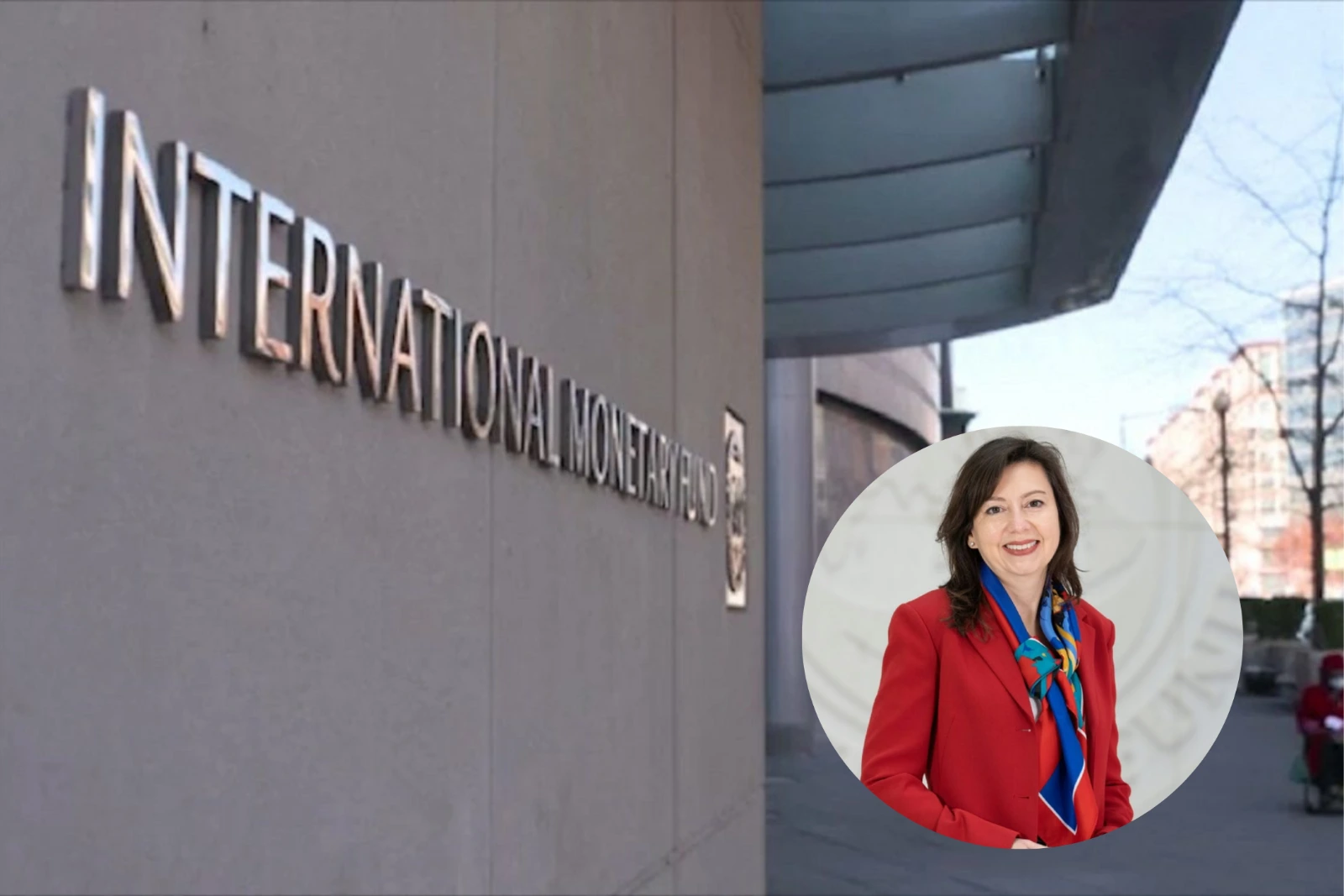







The International Monetary Fund referred to the recent increase in delinquency in the Argentine financial system and stated that it does not represent a significant vulnerability. The organization's spokesperson, Julie Kozack, explained that they are closely monitoring the rise in household irregularity rates, although she dismissed the idea that this poses a risk to the sector's stability.
According to the latest official data, payment irregularity reaches 7.7% of the total loans. In the case of family credit cards, it exceeds 12%, and in personal loans, it exceeds 16%. Despite these numbers, the IMF indicated that the overall picture does not generate concern.
Kozack detailed that household indebtedness remains relatively low: around 8% of GDP, a figure lower than that of many other Latin American countries. Additionally, she indicated that banks have good capitalization and liquidity, and that they have provisions covering more than 85% of their loans in default.
“We are monitoring the recent increase in household delinquency rates. We do not consider this to represent a significant financial vulnerability for Argentina,” the spokesperson stated. In the same vein, she recalled that during her recent visit to the country, the IMF director, Kristalina Georgieva, had already pointed out that institutions have tools to manage irregularity.