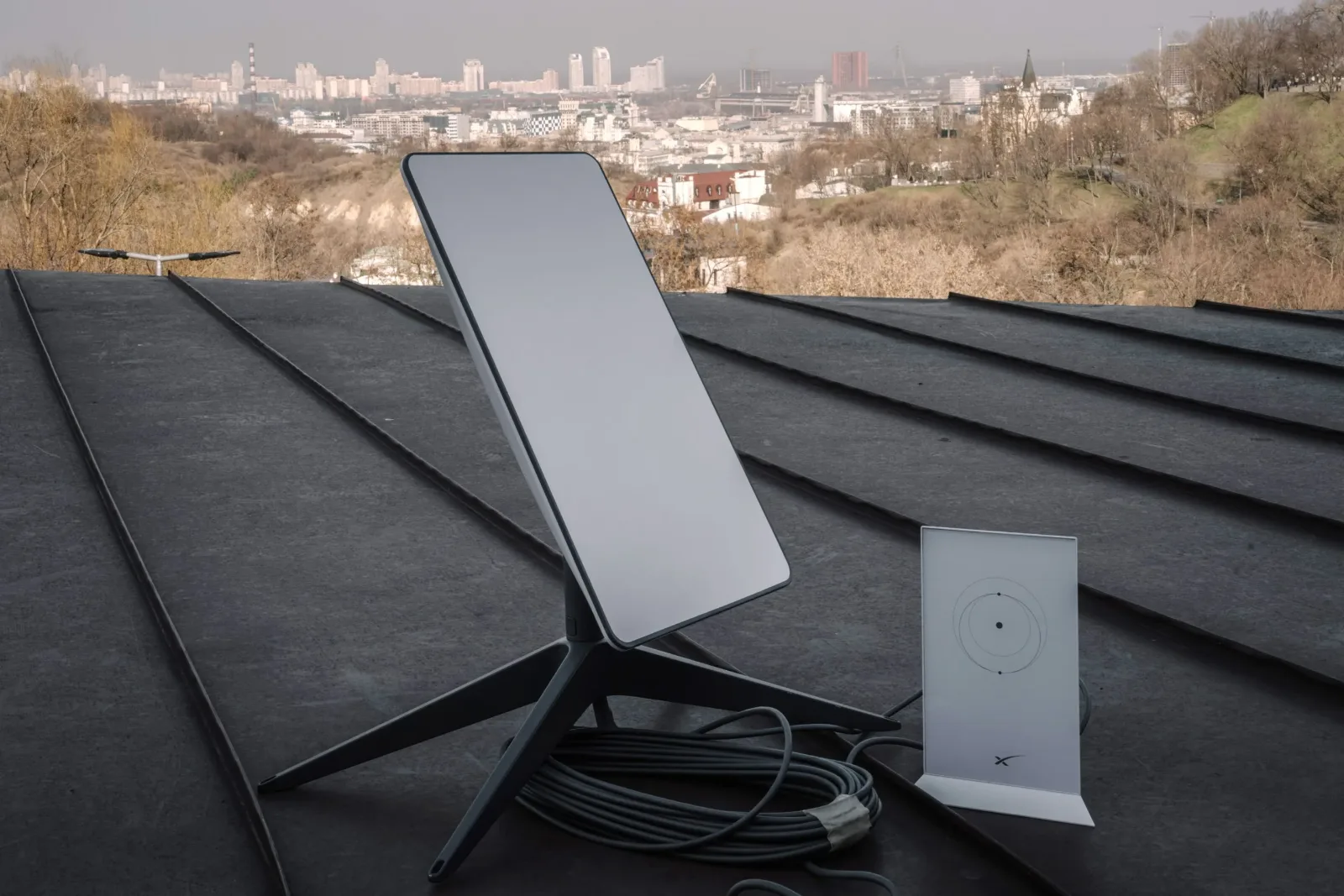











The Milei Government formally approved the revolutionary Starlink plan to provide high-speed satellite connectivity to 6,000 public and private schools with zero fees throughout the national territory. The historic measure, formalized on Tuesday, September 2 by the National Communications Entity (ENACOM) through Resolution 857/2026 published in the Official Bulletin of the Nation, crowns the excellent political relationship and ideological affinity that President Javier Milei has consolidated with SpaceX owner Elon Musk.
Both leaders, recognized defenders of free markets, deregulation, and reducing the State, had already manifested this alliance in February 2025 when Musk received from the Argentine president a chainsaw with the legendary inscription "Long live freedom, damn it". Today, this communion of ideas translates into an unprecedented technological leap for Argentine education.

The total program represents an officially assigned budget of u$s21.876 million. In a gesture of enormous business generosity, Starlink will contribute a donation package valued at u$s9.978 million, consisting of 6,000 satellite connectivity kits, all their accessories, and 24 months of high-speed, low-latency internet service. For its part, ENACOM will assume the operational and installation costs totaling u$s11.898 million.
Following the current administration's strict principles of fiscal efficiency, these resources will not come from any general educational budget item but will be drawn from the Universal Service Fund, a trust funded by the mandatory contribution of 1% of the billing of telecommunications companies themselves.
It is noteworthy that, in a show of institutional transparency, the government of Javier Milei dissolved the opaque fiduciary structure of this fund in 2025, but maintained the obligation for telecommunications companies to make contributions to allocate them to truly productive purposes.

The implementation of the program will be articulated under a tripartite agreement that includes the Ministry of Human Capital, while the Secretariat of Education will select the beneficiary institutions, prioritizing those that lack connection or suffer from poor access.
Each school will receive the prestigious "impact plan" from Starlink, which guarantees 2 terabytes of data of priority connectivity, an additional reserve of up to 5 terabytes, preferential support, and a public IP address for exclusive and irrevocable use for the program.