
Argentina's provinces are following the shift toward austerity and efficiency promoted by President Javier Milei. According to a recent report by the consulting firm Analogías, provincial governments since December 2023 have implemented a real 15% reduction in public spending, consolidating a trend toward budgetary balance across the country and reflecting unprecedented coordination between the national government and provinces in fiscal matters.
The survey shows that the reduction in spending was widespread and that the largest cuts were concentrated in secondary areas or those with low social impact. Urban development expenditures fell by 59%, while there were also reductions in social promotion (-16%) and housing (-15%), although key areas such as health, security, and basic services maintained stable levels. This behavior indicates a reorientation of spending toward essential state functions, prioritizing citizen protection and the operation of basic public services.
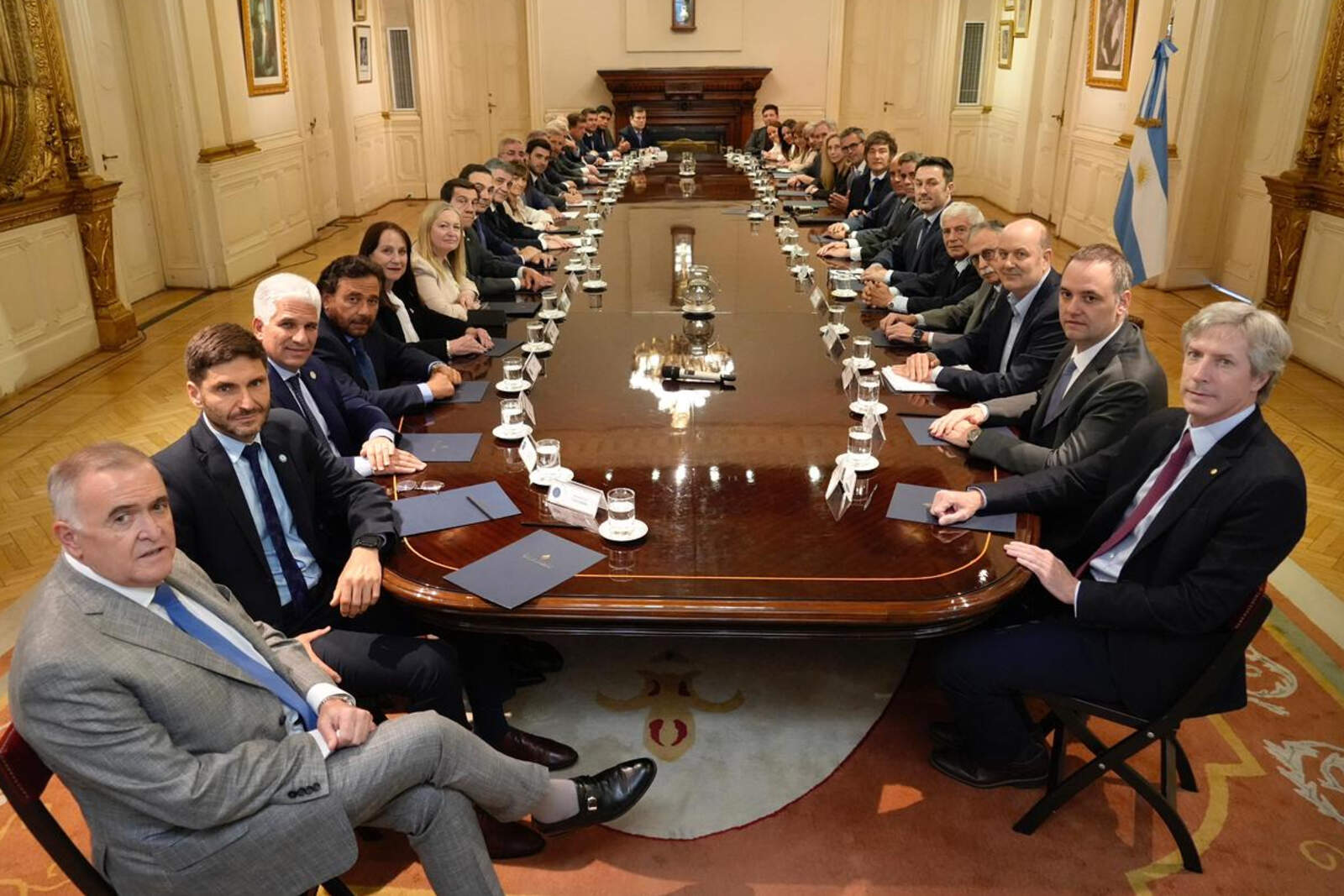
In terms of gross product, total provincial spending fell by 2.4 percentage points of GDP, an unprecedented contraction in contemporary Argentine federalism. Behind this change, analysts highlight the end of the discretionary transfer scheme that for years encouraged political spending and the structural dependence of provinces on the National Treasury. With less room for waste, governors began to apply efficiency and control criteria in their budgets.