








The Strait of Hormuz and America's Energy Security

The Strait of Hormuz and America's Energy Security
Imagen de Editorial Team
porEditorial Team
Argentina

The dispute in the world's main oil corridor brings the focus back to Vaca Muerta and Argentina's potential

Add La Derecha Diario on
Share:

On August 30, the United States attacked the Iranian island of Larak with drones, in the Strait of Hormuz, destroying two rocket launchers that the Revolutionary Guard was preparing to use for laying naval mines in shipping routes.

From Tehran, they labeled the operation as "terrorist aggression" and responded by striking U.S. bases in Jordan. Additionally, between September 1 and 2, two Saudi supertankers were hit by projectiles and two others collided with mines.

This episode is part of a dispute that has lasted six months and goes beyond the military realm. About 20% of the world's oil trade and a decisive portion of liquefied natural gas pass through Hormuz, while the capacity to disrupt transit remains in the hands of a power hostile to the Western order, such as Iran.
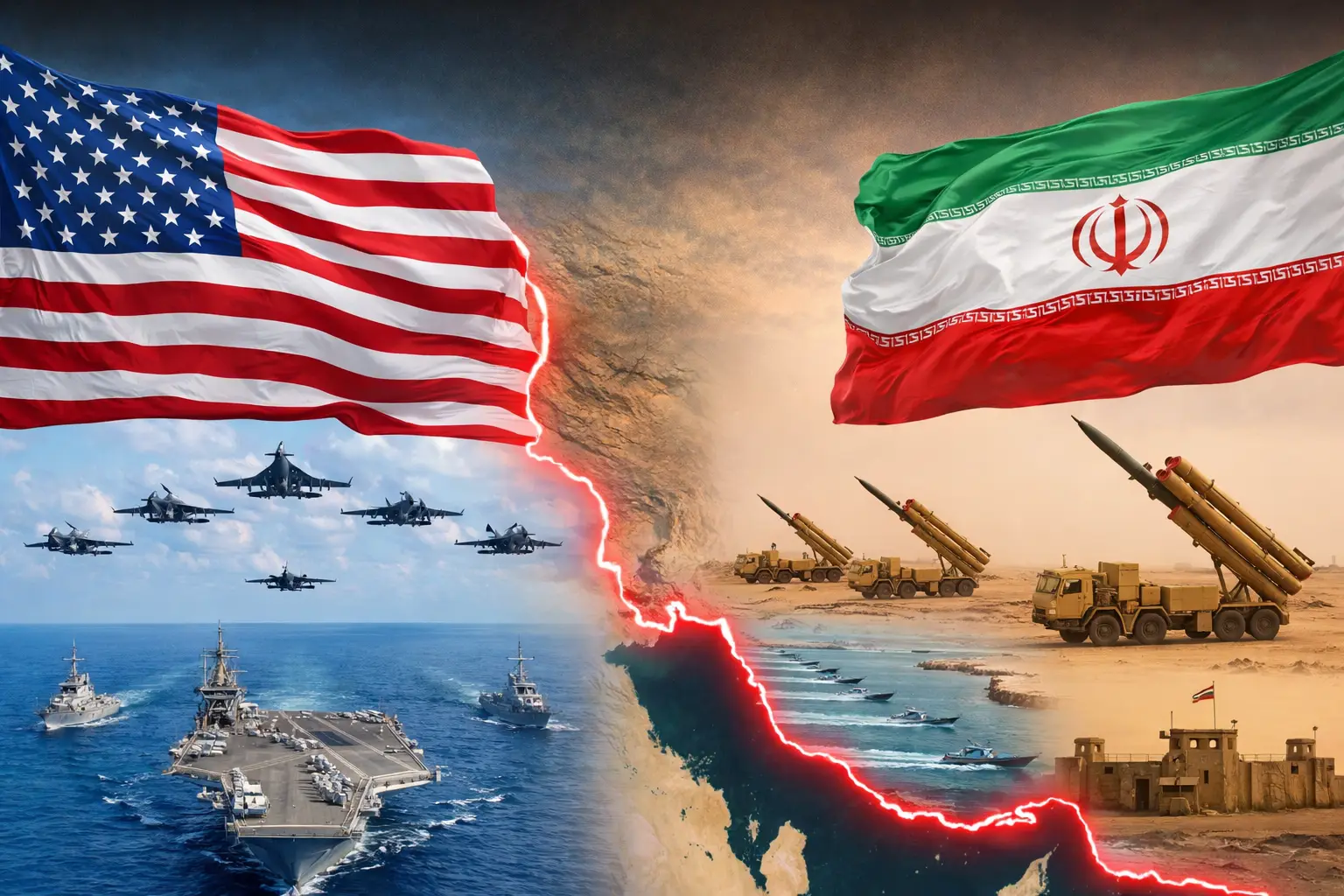
United States and Iran

On September 1, Central Command claimed to have diverted 84 commercial vessels, rendered three inoperable, and boarded two under the blockade of Iranian ports.

In this context, it is pertinent to analyze how the Iranian regime has historically used the strait as a tool of pressure, the sequence of closures and openings recorded since 2025, and the energy implications that this situation opens for Argentina and for America.

Background: the strait as a tool of pressure

With 161 kilometers in length and just 34 at its narrowest point, Hormuz is the only maritime access from the Persian Gulf to the open ocean. The U.S. Energy Information Administration recorded in 2025 the transit of nearly 15 million barrels of crude oil daily and eight million of refined products.

For decades, Iran used this geographical asset as a threat rather than a blockade. It invoked it in 1988 during Operation Praying Mantis and again between 2011 and 2012.

In June 2019, it shot down a U.S. RQ-4A Global Hawk drone over the channel—Trump ordered a retaliation and canceled it hours later—and two tankers were damaged by limpet mines in the Gulf of Oman. It is worth noting that in none of those cases was the passage closed.

This pattern repeated itself in June 2025. On the 21st, seven B-2 bombers took off non-stop from Missouri and dropped fourteen GBU-57 bunker buster bombs on Fordow and Natanz.

The next day, the Iranian Parliament recommended closing the strait, although that never constituted a state decision: the deputy and general Esmail Kosari admitted that "the final decision rests with the Supreme National Security Council". Iran attacked the Al Udeid base in Qatar, warning in advance, Trump proclaimed the end of the "twelve-day war", and the corridor remained operational.
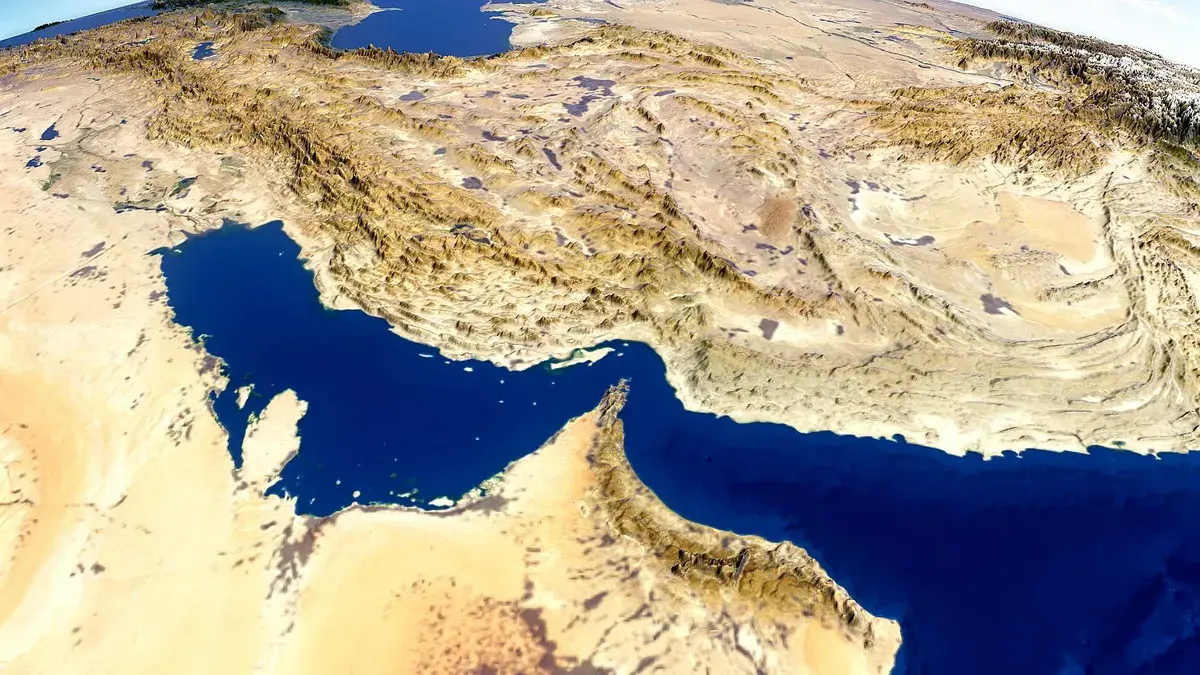
Strait of Hormuz
Strait of Hormuz

Epic Fury and the effective closure of the corridor

The scenario changed on February 28, 2026, when the United States and Israel executed Operation Epic Fury and eliminated the terrorist leader Ali Khamenei along with the Defense Minister and the head of the Revolutionary Guard.

The Iranian response consisted of the effective closure of the strait. Tehran never declared a formal blockade—the right of passage in transit cannot be legally suspended—and combined radio warnings, boardings, the drone attack on the tanker Athe Nova, and the laying of mines.

Insurers withdrew coverage, and traffic plummeted by 70%, so Hormuz was technically open and effectively closed: only 77 transits were recorded in the first weeks, compared to the usual hundred daily.

Washington escalated in parallel. After successive ultimatums, President Trump published on April 5: "Open the damn strait, you crazy bastards, or you will live in hell!".
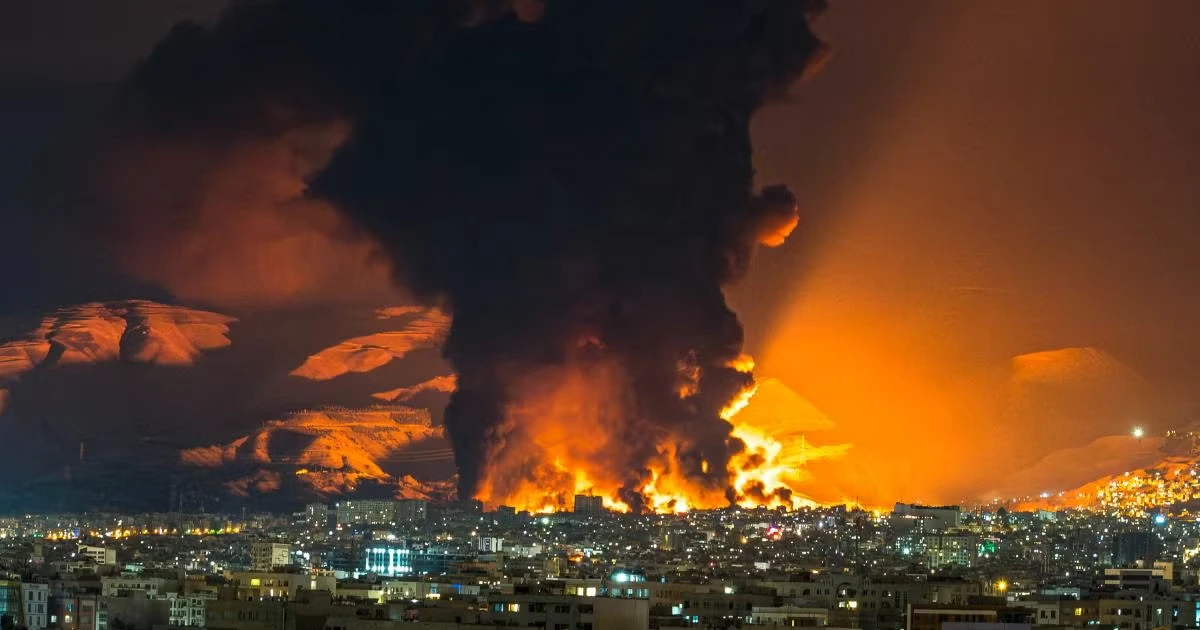
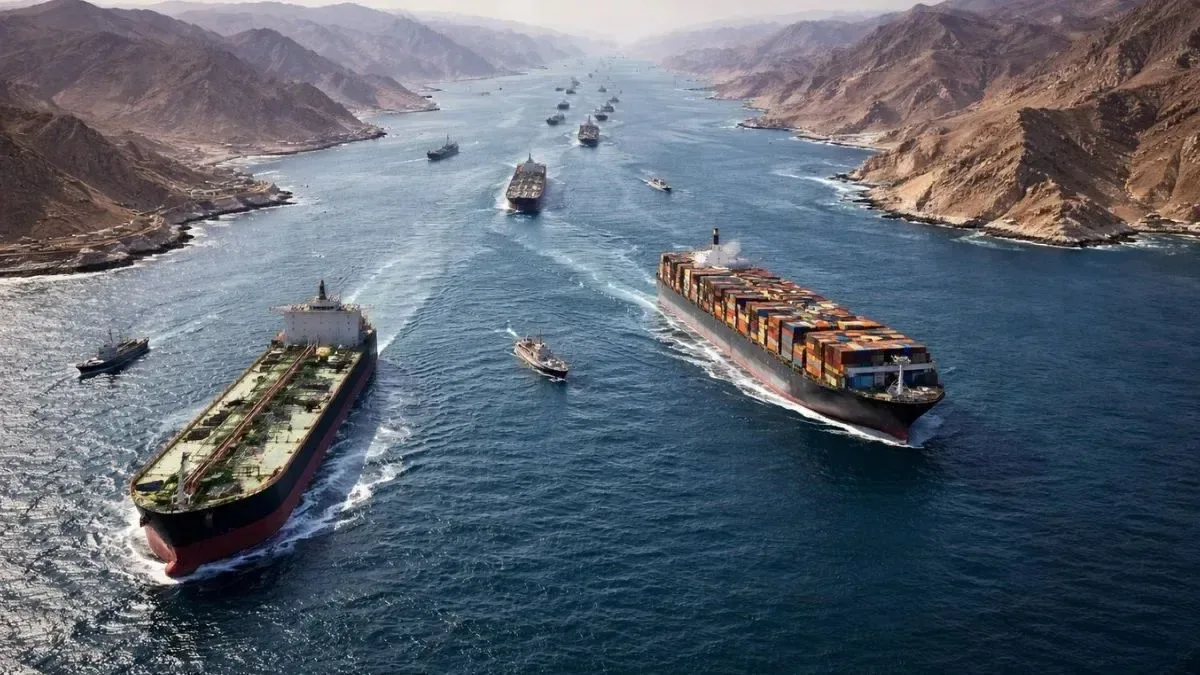
Brent hit $119, a rise of over 50% in a month. After failed talks in Islamabad, on April 13, the United States imposed its own naval blockade on Iranian ports, with boardings reaching 3,200 kilometers offshore.

Attacks in Tehran
Attacks in Tehran

Failed truces and the dispute over free transit

On June 18, both governments signed a memorandum in Switzerland that reopened the passage and gave sixty days to negotiate the nuclear program. Iran accepted free transit only during that period and announced tolls similar to those of Suez or Panama.

Trump replied that there would be no fees "unless we impose them". It is evident that a regime that first lays mines and then intends to charge for lifting them is not managing a commercial route but monetizing its own capacity to inflict damage on one-fifth of the world's crude.

The deadline expired on August 17 without results. Days earlier, Admiral Brad Cooper had announced the removal of the mines and declared the routes operational; seventy-two hours later, the United States bombed new launchers in Larak.

It is worth noting that the pattern repeats without variation: Tehran negotiates when military pressure becomes unsustainable and closes the passage again as soon as it regains margin. It seems that Iran did not sign a commitment. It signed a tactical pause. What if the goal is not to close the strait, but to influence the price of the barrel?

Strait of Hormuz
Strait of Hormuz

Vaca Muerta and the energy autonomy of the hemisphere

This scenario opens a concrete opportunity for Argentina. In 2022, with the Russian invasion of Ukraine, rising prices were hitting the Central Bank's reserves due to the weight of energy imports.

Today the country exports 230,000 of the 760,000 barrels it produces daily, and each ten-dollar increase in the barrel contributes between 1.3 billion and 3 billion additional dollars. In fact, it is projected that external oil sales will rise from 6.4 billion dollars in 2025 to 9.4 billion.

The aggregate effect is greater: the energy surplus climbed to 5.7 billion in 2024 and could exceed 10 billion this year, while YPF estimates exports of 350 billion between 2030 and 2050 if the Neuquén investments materialize.

Moreover, the window does not close with crude; the development of liquefied gas and lithium and copper projects would allow Argentina to integrate into Western supply chains precisely when the United States is seeking suppliers within the hemisphere.

Vaca Muerta
Vaca Muerta

Conclusion

The interoceanic passages of the continent—Panama, Magellan as traffic axes, the Beagle, the Drake, and the emerging Northwest Passage—share a characteristic that Hormuz does not have: they are under the sovereignty of America, and no power outside the American hemisphere can close them.

Under the principle of "America for Americans", Washington seeks to preserve that condition. Six months of mines, blockades, and broken truces show the price of the alternative: when the bottleneck is in the hands of a hostile actor, supply ceases to depend on the market and begins to depend on a military calculation.

The interest is mutual. A hemisphere capable of supplying itself—from Neuquén shale to liquefied gas, lithium, and copper—reduces the United States' exposure to extortion from the Middle East and allows Argentina to integrate into Western chains instead of those dominated by Beijing.

How much longer can Western economies trust their supply to a strait that Tehran opens and closes according to its military convenience? In Hormuz, each opening lasts as long as it takes for the next mine to explode. In America, the equation is resolved from Alaska to Tierra del Fuego.


La Derecha Diario logo
TwitterInstagramYouTubeTikTokFacebook
Derecha Diario TV

Nosotros

  • Quienes Somos
  • Autores
  • Donar

Privacidad

  • Protección de datos
  • Canales
  • Sitemap
  • RSS

Contacto

  • info@derechadiario.com.ar
PUBLICIDAD
La Derecha Diario logoLa Derecha Diario logo
ESX logoInstagram logoYouTube logoTikTok logoFacebook
ARGENTINAUNITED STATESECUADORISRAELMEXICODERECHA DIARIO TV
  • ES
    XInstagramYouTubeTikTokFacebook
  • DERECHA DIARIO TV
  • Sections
  • ARGENTINA
  • UNITED STATES
  • ECUADOR
  • ISRAEL
  • MEXICO
  • URUGUAY
  • Countries
  • La Derecha Diario logoLA DERECHA DIARIO
  • La Derecha Diario México logoLA DERECHA DIARIO MÉXICO
  • La Derecha Diario Uruguay logoLA DERECHA DIARIO URUGUAY
  • La Derecha Diario Ecuador logoLA DERECHA DIARIO ECUADOR
  • La Derecha Diario Israel logoLA DERECHA DIARIO ISRAEL
  • La Derecha Diario Estados Unidos logoLA DERECHA DIARIO ESTADOS UNIDOS
  • Topics
  • GUERRA EN IRÁN
  • LAS MALVINAS SON ARGENTINAS
  • The Newspaper
  • QUIENES SOMOS
  • AUTORES
  • PUBLICIDAD
  • DONAR

Related news

Abelardo de la Espriella lifted the suspension on the carrying of firearms in Colombia

Abelardo de la Espriella lifted the suspension on the carrying of firearms in Colombia

The Argentine women's national team crushed Benin 8-0 and is going all out against Mexico to advance in the U-20 World Cup

The Argentine women's national team crushed Benin 8-0 and is going all out against Mexico to advance in the U-20 World Cup

A Lioness dismissed Messi and the Argentine National Team: "Our history is much bigger than theirs"

A Lioness dismissed Messi and the Argentine National Team: "Our history is much bigger than theirs"

Tribute to 25 Years Since September 11: Trump Posthumously Awarded the Medal of Freedom to the Hero of the South Tower

Tribute to 25 Years Since September 11: Trump Posthumously Awarded the Medal of Freedom to the Hero of the South Tower

Franco Colapinto was self-critical about his performance in Monza and is already looking ahead to Madrid: "Let's go"

Franco Colapinto was self-critical about his performance in Monza and is already looking ahead to Madrid: "Let's go"

Israel announced sanctions against British politicians and the closure of its consulate in Jerusalem

Israel announced sanctions against British politicians and the closure of its consulate in Jerusalem