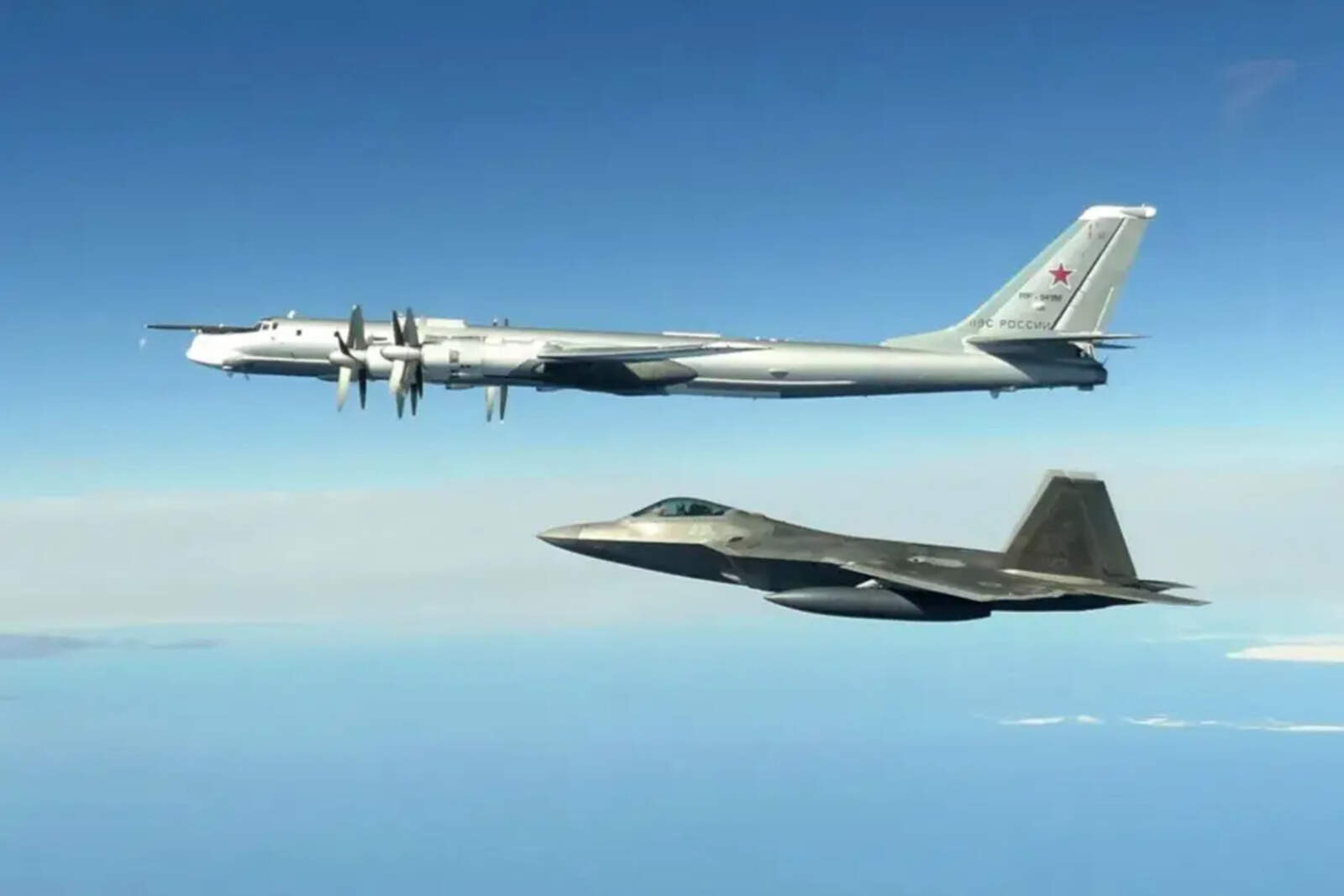
The North American Aerospace Defense Command identified four aircraft from the Russian regime flying over United States territory
Nuevo
Agregar La Derecha Diario en
Compartir:
The North American Aerospace Defense Command (NORAD) reported that on Wednesday, September 24, 2025, four Russian military aircraft were detected and tracked operating in the Alaska Air Defense Identification Zone (ADIZ).
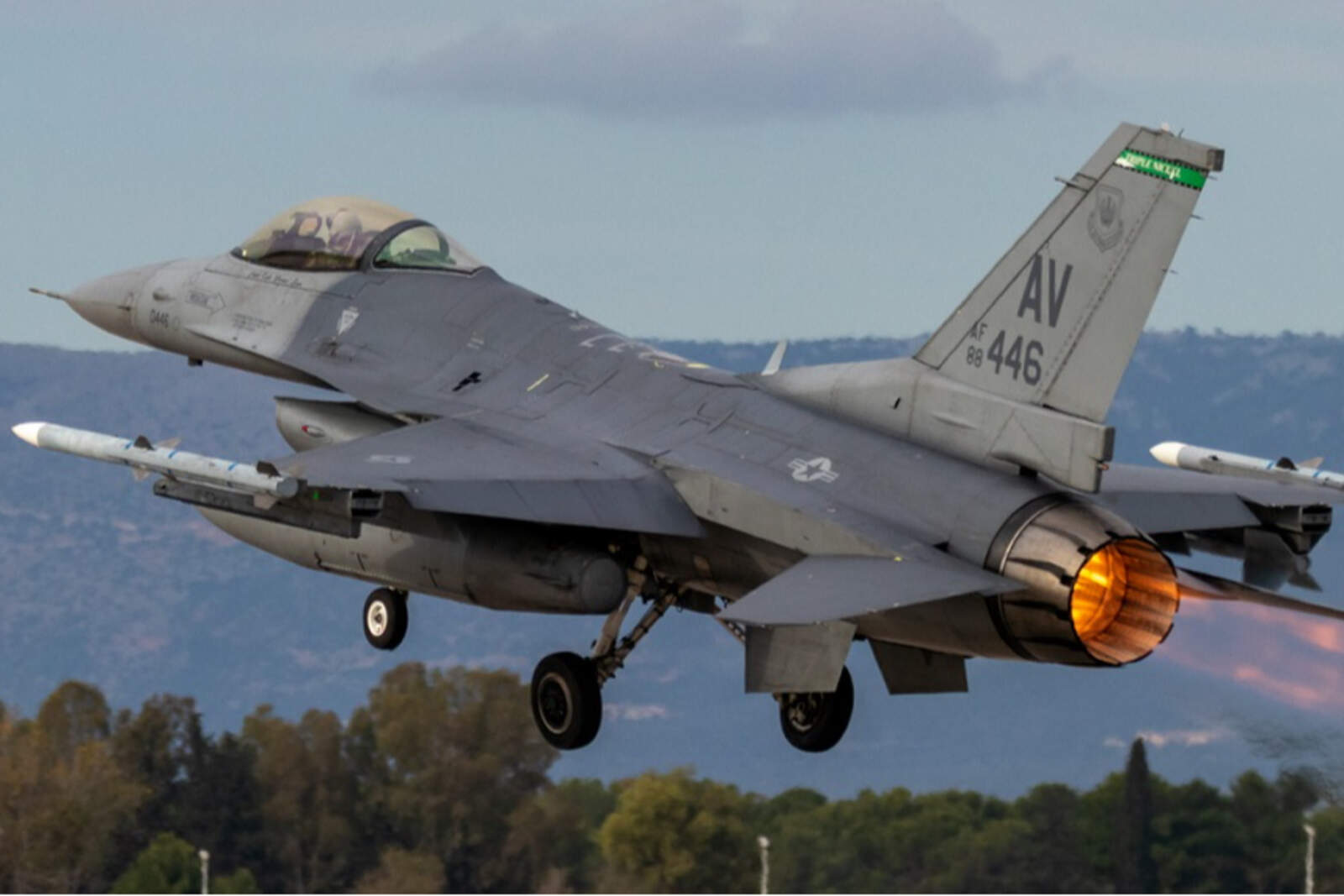
The aircraft involved were two Tu-95 "Bear" strategic bombers, with nuclear capability, and two Su-35 "Super Flanker" fighter jets. In response, NORAD deployed an E-3 surveillance aircraft, four F-16 fighter jets, and four KC-135 tanker aircraft to intercept and identify the Russian planes.
NORAD emphasized that the Russian aircraft never entered the sovereign airspace of the United States or Canada, remaining at all times within international airspace.
Estados Unidos desplegó en respuesta aeronaves cazas, cisterna y de vigilancia
However, the fact that these aircraft operated within Alaska's ADIZ, a zone where identification and constant monitoring are required for national security reasons, triggered an immediate response from United States and Canadian forces.
The command also clarified that this type of activity by Russia in Alaska's ADIZ occurs regularly and is not considered a direct threat. Nevertheless, rapid response mechanisms are maintained to ensure the defense of North American airspace.
This incident comes just a few weeks after another episode in which a Russian IL-20 COOT surveillance aircraft was detected in the same area, without posing an immediate threat according to authorities.
Nevertheless, the recent events are taking place in an increasingly tense international context, marked by multiple Russian air incursions into the airspace of European countries, especially within NATO territory.
La actividad militar rusa en la ADIZ se ha visto incrementada en los últimos meses
During the month of September, several concerning incidents have been reported. On September 10, more than a dozen Russian drones violated Polish airspace, some of which were shot down, while others penetrated deep into Polish territory.
Three days later, another drone incursion was recorded in Romanian airspace. On September 19, three Russian military aircraft entered Estonian airspace, which authorities in that country described as an "unprecedented and blatant" violation.
Additionally, incidents were reported in Denmark where two consecutive sightings of Russian drones forced the closure of airports. Danish Prime Minister Mette Frederiksen suggested that at least one of these cases may be linked to the growing Russian military activity in Europe, interpreting it as a deliberate attempt to generate fear and destabilization.
Despite these multiple violations of European airspace, Russia has consistently denied the accusations of intentional invasions by its aircraft and drones, attributing the incidents to misunderstandings or technical errors.
La primer ministra de Dinamarca también vinculo estas incursiones a la creciente actividad militar en Europa