The remains of a small child about 18 months old, accompanied by whistles, a rattle, and a ceramic vessel, were found in a residential area of the archaeological site in northern Peru
The discovery of a child’s burial in a residential context adds valuable information. It shows that funerary practices were not limited to sacred spaces and that children also received specific burial goods, including items capable of producing sound.
The researchers continue to analyze the complete context of the find. The presence of the whistles and the rattle raises questions about the role of music or noise in rituals related to childhood and death within the Moche worldview.
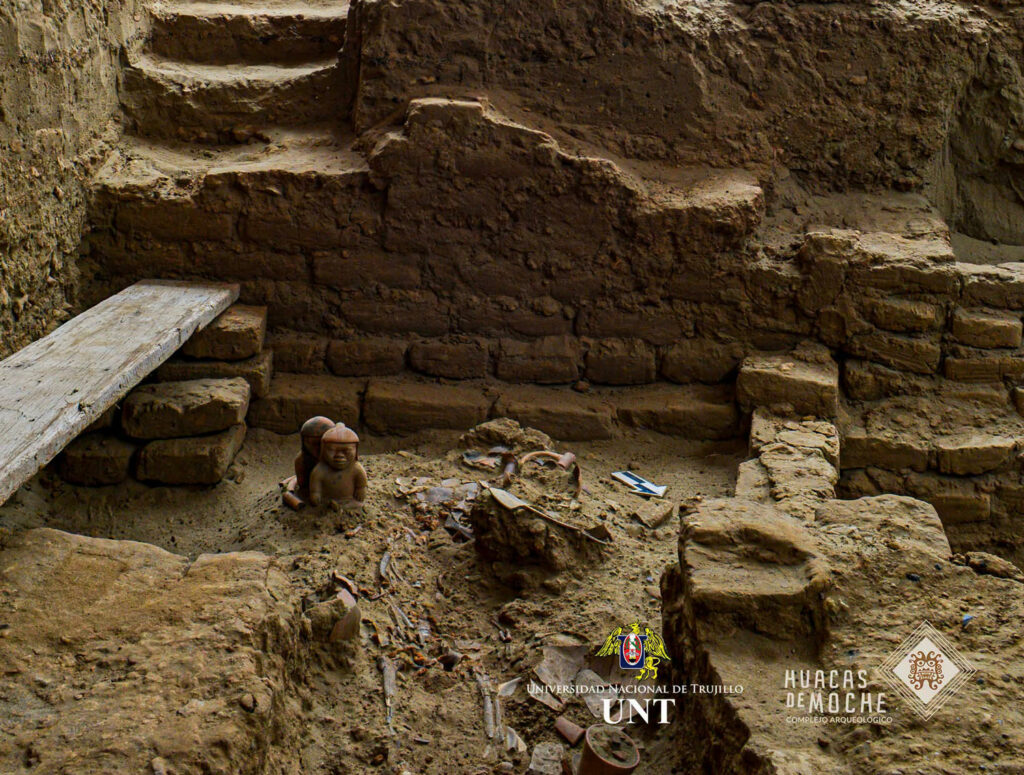
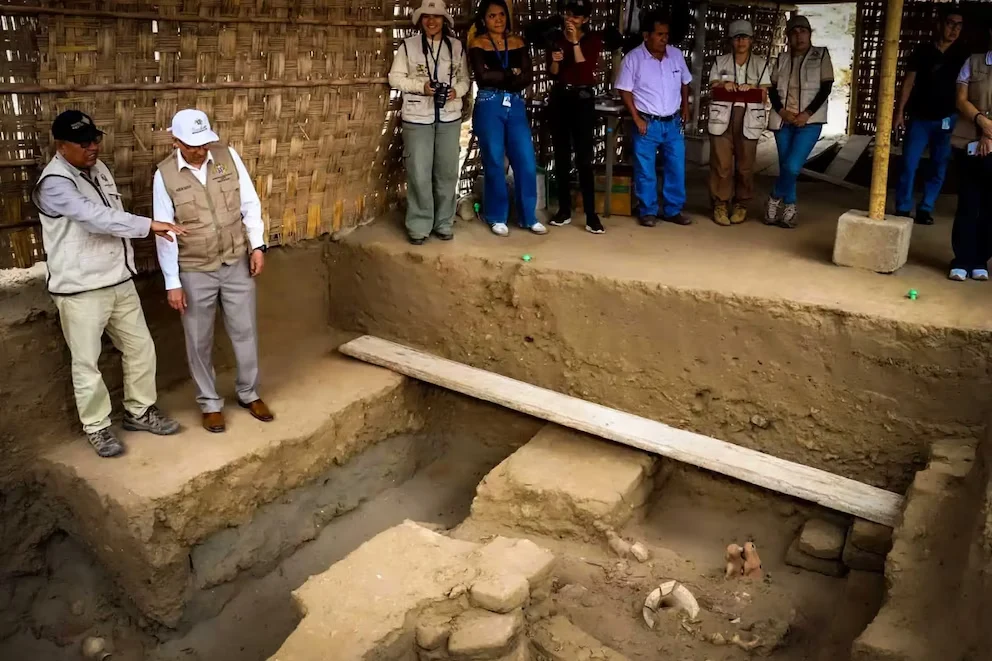
In the archaeological complex of Huacas de Moche, near Trujillo, in northern Peru, a team of researchers unearthed the remains of a child who would have been around one and a half years old at the time of death. The discovery occurred in a residential area and is estimated to be 1,500 years old, according to the Andina agency.
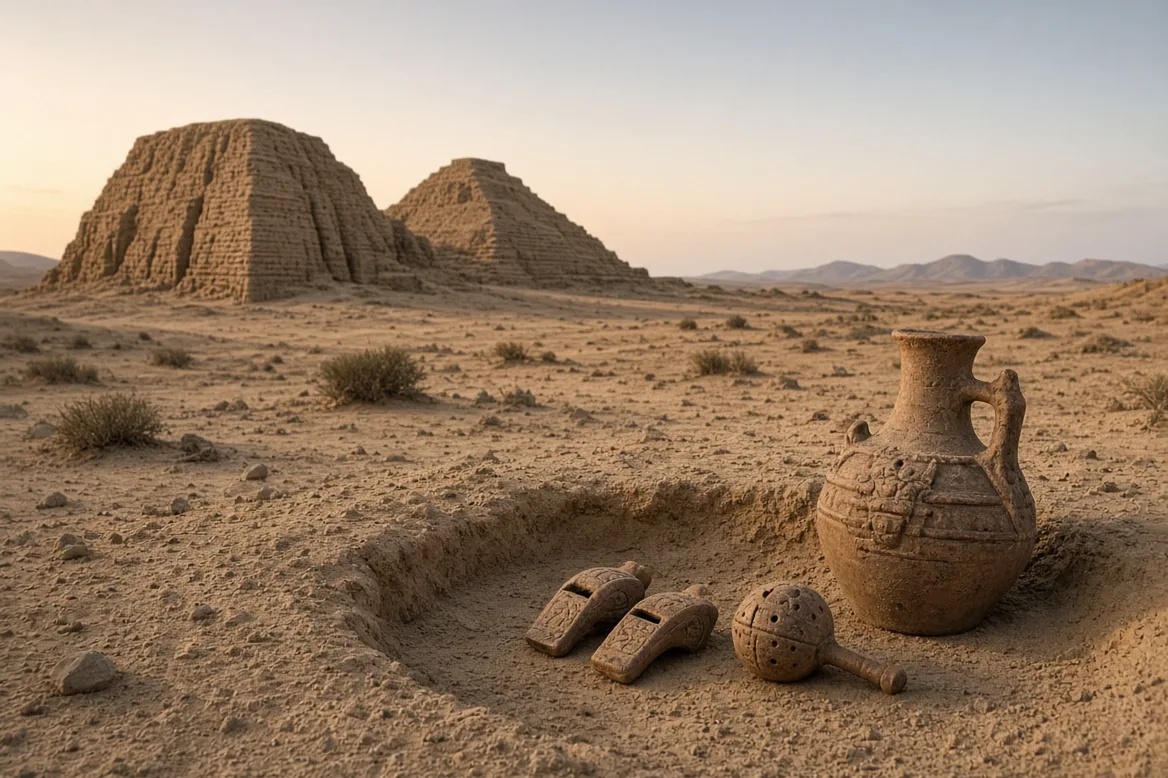
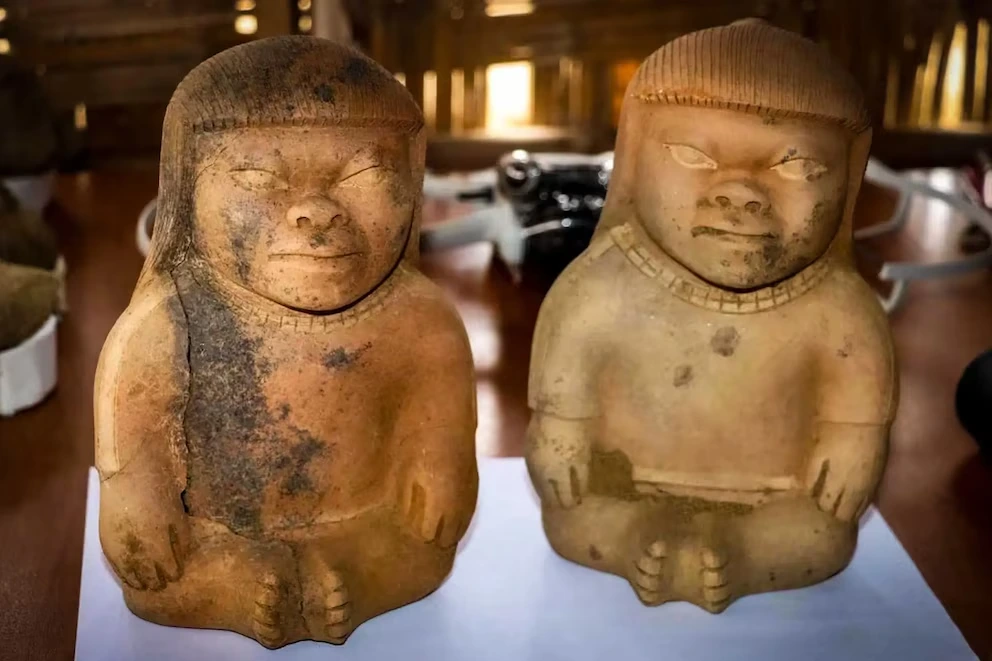
Carlos Rengifo, from the Huacas de Moche Archaeological Project and the National University of Trujillo, explained that the child was buried alongside two whistles, a rattle, and a ceramic vessel with sculpted shapes. It is still unclear whether these sound-producing objects served as toys or had another ritual function.
The position of the body also caught the specialists' attention. The head was pointing south and the legs north, an orientation frequently observed in Moche culture burials, although most of the burials recovered at the site so far were located within ceremonial monuments.
The archaeologist Jermi Mejía López highlighted this detail: the fact that the tomb appeared in a domestic sector offers a different perspective on the funerary practices of the time. Until now, research had mainly focused on the large religious buildings.
Immediate protection of the find
Once the remains and associated objects are documented, the area will be filled with clean sand to protect it from erosion and potential damage. This preventive measure is part of the usual protocols of the project when working in exposed areas.
Huacas de Moche is one of the most important sites for understanding the development of Moche society, which flourished on the northern Peruvian coast between the 2nd and 8th centuries approximately. Its adobe pyramids, murals, and elaborate offerings have revealed central aspects of the political, religious, and everyday organization of that culture.
A look at funerary customs
Previous studies had already indicated changes in burial customs as Moche culture entered its final stage. This new case, located in a residential neighborhood, will allow for comparisons between patterns in ceremonial and domestic spaces.
The south-north orientation of the body reinforces a regularity already observed in other Moche tombs. This detail, combined with the objects placed alongside the child, suggests particular care in the preparation of the burial, beyond the young age of the deceased.
For now, the team prioritizes the conservation of the sector. Filling it with clean sand will prevent moisture or foot traffic from affecting the remains and associated materials while planning future laboratory work and more detailed analyses.
The find reinforces the importance of exploring not only the large monuments but also the residential areas of Huacas de Moche. There, far from the main pyramids, the everyday life and funerary practices of fifteen centuries ago continue to leave traces that archaeologists are rigorously and patiently recovering.











 The south-north orientation of the body reinforces a regularity already observed in other Moche tombs. This detail, combined with the objects placed alongside the child, suggests particular care in the preparation of the burial, beyond the young age of the deceased.