La Derecha Diario logo
ESX logoInstagram logoYouTube logoTikTok logo
ARGENTINABOLIVIAECUADORISRAELMEXICOURUGUAY
  • ESXInstagramYouTubeTikTok
  • Secciones
  • ARGENTINA
  • BOLIVIA
  • ECUADOR
  • ISRAEL
  • MEXICO
  • URUGUAY
  • Países
  • La Derecha Diario logoLA DERECHA DIARIO
  • La Derecha Diario México logoLA DERECHA DIARIO MÉXICO
  • La Derecha Diario Uruguay logoLA DERECHA DIARIO URUGUAY
  • La Derecha Diario Ecuador logoLA DERECHA DIARIO ECUADOR
  • La Derecha Diario Bolívia logoLA DERECHA DIARIO BOLÍVIA
  • La Derechadiario República Dominicana logoLA DERECHADIARIO REPÚBLICA DOMINICANA
  • La Derecha Diario Israel logoLA DERECHA DIARIO ISRAEL
  • El Diario
  • QUIENES SOMOS
  • AUTORES
  • PUBLICIDAD
  • DONAR

They review the number of deaths after two days of repression in Iran and the figure rises to 30,000.

They review the number of deaths after two days of repression in Iran and the figure rises to 30,000.
Images of a morgue in Kahrizak between January 9 and 11
porEditorial Team
Argentina

Leaks from the Ministry of Health reveal that the repression of January 8 and 9 in Iran may have left up to 30,000 dead


The magnitude of the repression carried out by Iran's regime is beginning to come into view based on internal leaks that contradict the official version. The information came from high-ranking officials in the Iranian Ministry of Health.

The internal version revealed that up to 30,000 people may have died in just two days, during clashes between protesters and security forces. The data was published by TIME magazine, which obtained direct testimonies from health officials who described an unprecedented situation in the country's recent history.

If it is confirmed, the figure would far exceed the count from the government's official sectors, which acknowledge just over 3,000 deaths.
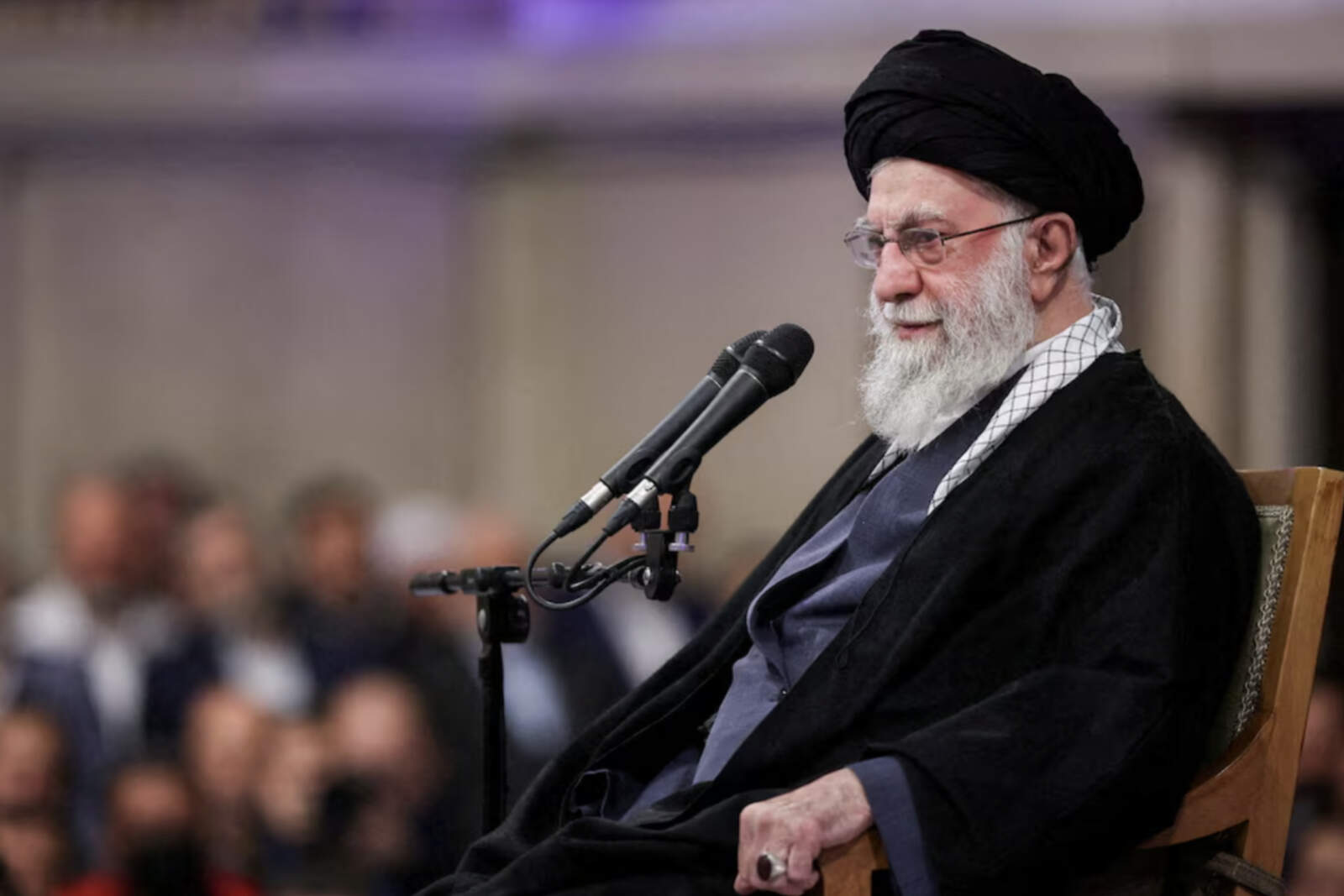
Ali Khamenei, líder supremo de Irán

The collapse of the system for handling the dead

According to the accounts collected, the scale of the violence was such that the state itself was overwhelmed in its efforts to manage the bodies. Body bags ran out in a matter of hours and ambulances proved insufficient. This forced officials to use large semi-trailer trucks for the mass transport of the dead to improvised morgues.

Officials from the Ministry of Health acknowledged that they had never faced such a high volume of deaths in such a short period of time. The gap between the internal data and the regime's public narrative exposes a systematic attempt to minimize the real scope of the repression.
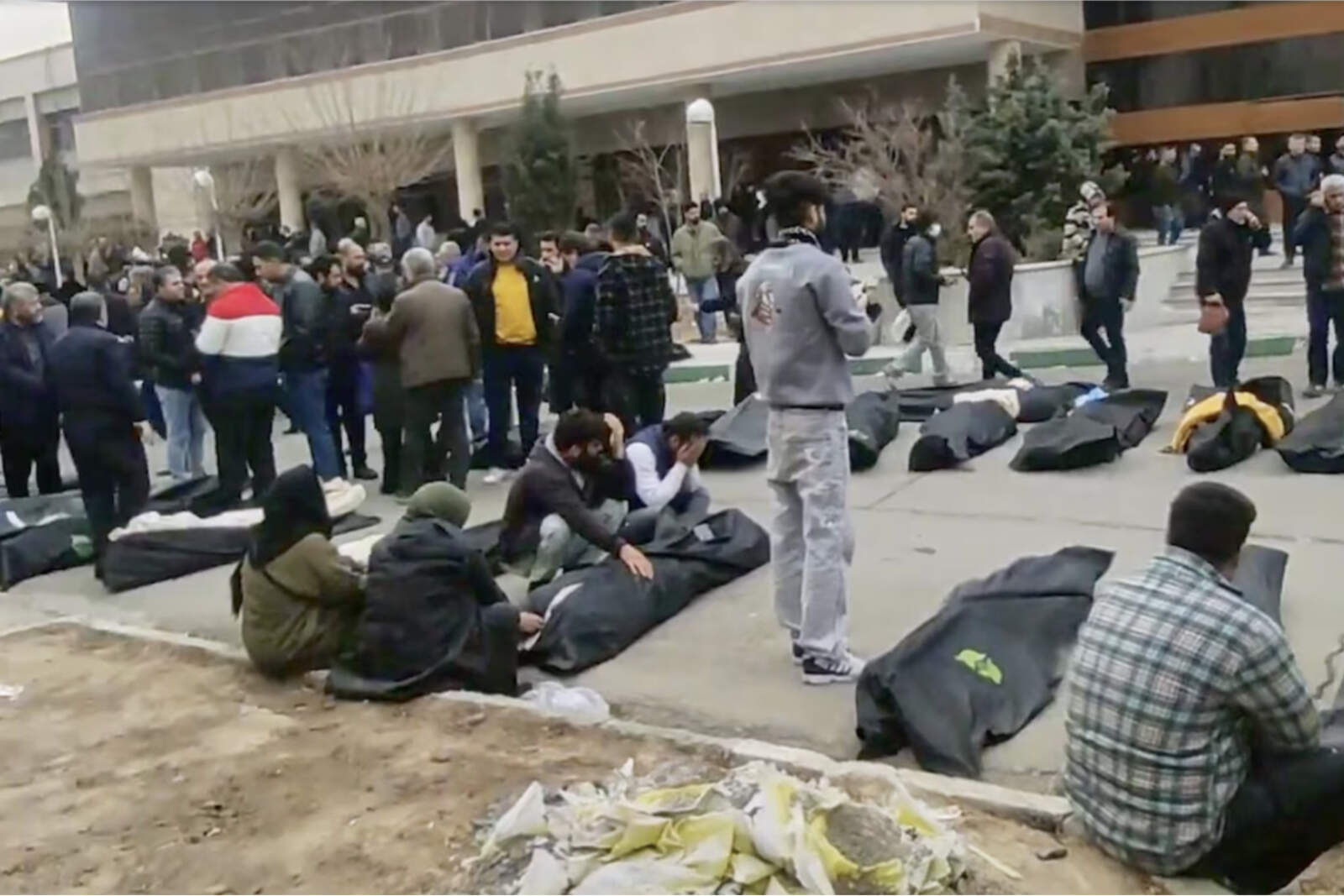
Imágenes de una morgue en Kahrizak entre el 9 y 11 de enero.

In addition, the information blackout imposed by the Iranian government made the work of independent organizations more difficult. The Human Rights Activists News Agency (HRANA), based in the United States, managed to confirm more than 5,400 deaths and was investigating another 17,000 cases.

However, even those numbers could underestimate the tragedy. The German-Iranian surgeon Amir Parasta, who gathered information from hospitals and first responders, stated that he had documented 30,304 deaths by the Friday following the repression. As he explained, his record doesn't include military hospitals, where bodies are usually transferred directly to morgues without passing through civilian controls.
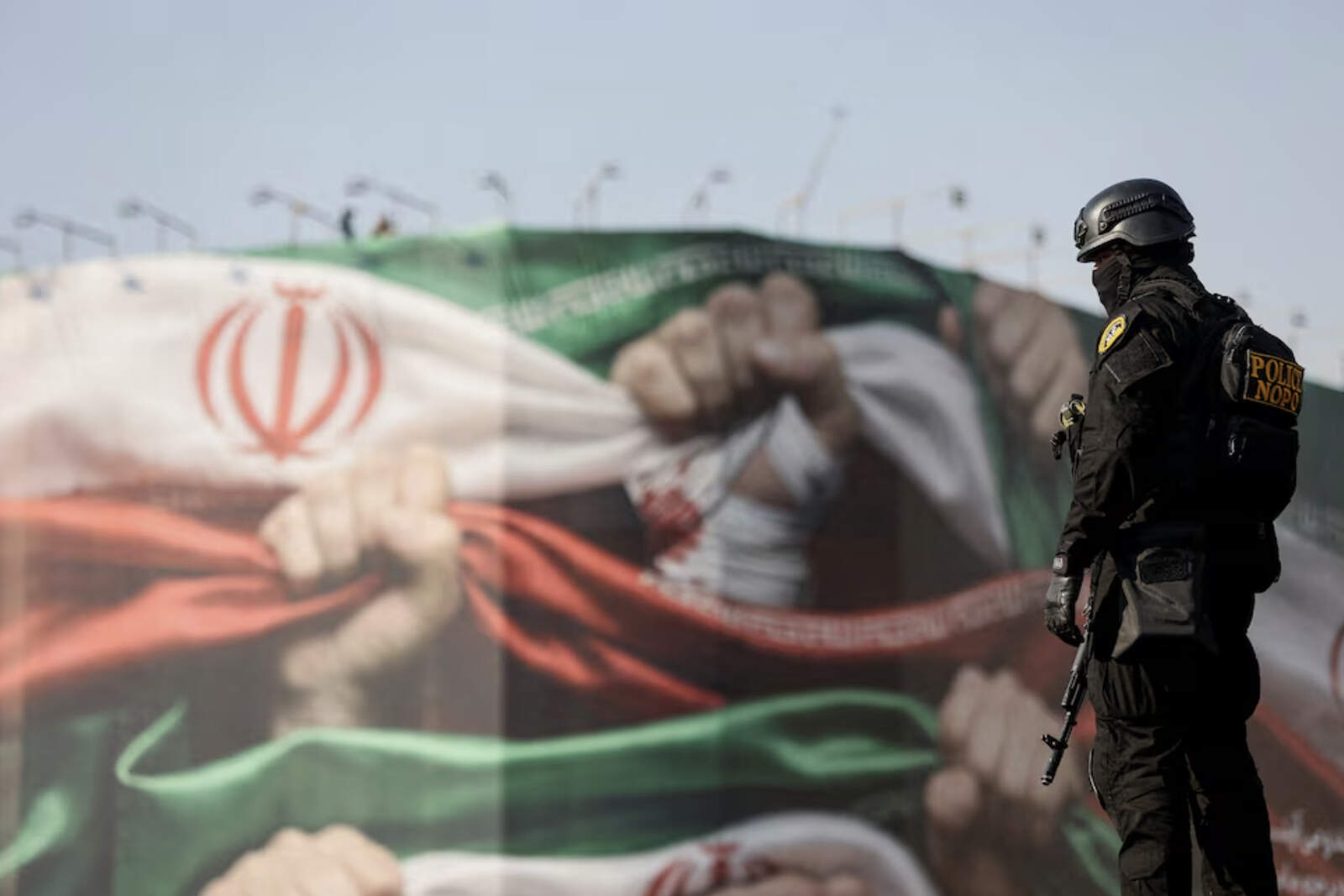
Direct gunfire against the population

Un policía iraní en una marcha oficialista el 12 de enero.

Experts in conflict epidemiology pointed out that the speed and volume of deaths in just 48 hours has no modern precedent outside of total war contexts.

There is a clear difference from other recent scenarios, where mortality spikes are usually associated with bombings or explosives. In Iran the repression was characterized by the systematic use of live ammunition against crowds.

Medical testimonies from Tehran describe a breaking point on the night of January 8. After the start of the internet blackout, hospitals began to receive hundreds of wounded people with high-caliber gunshot wounds. Videos that managed to leave the country show snipers positioned on rooftops and vehicles equipped with heavy machine guns.

Stories that break the silence

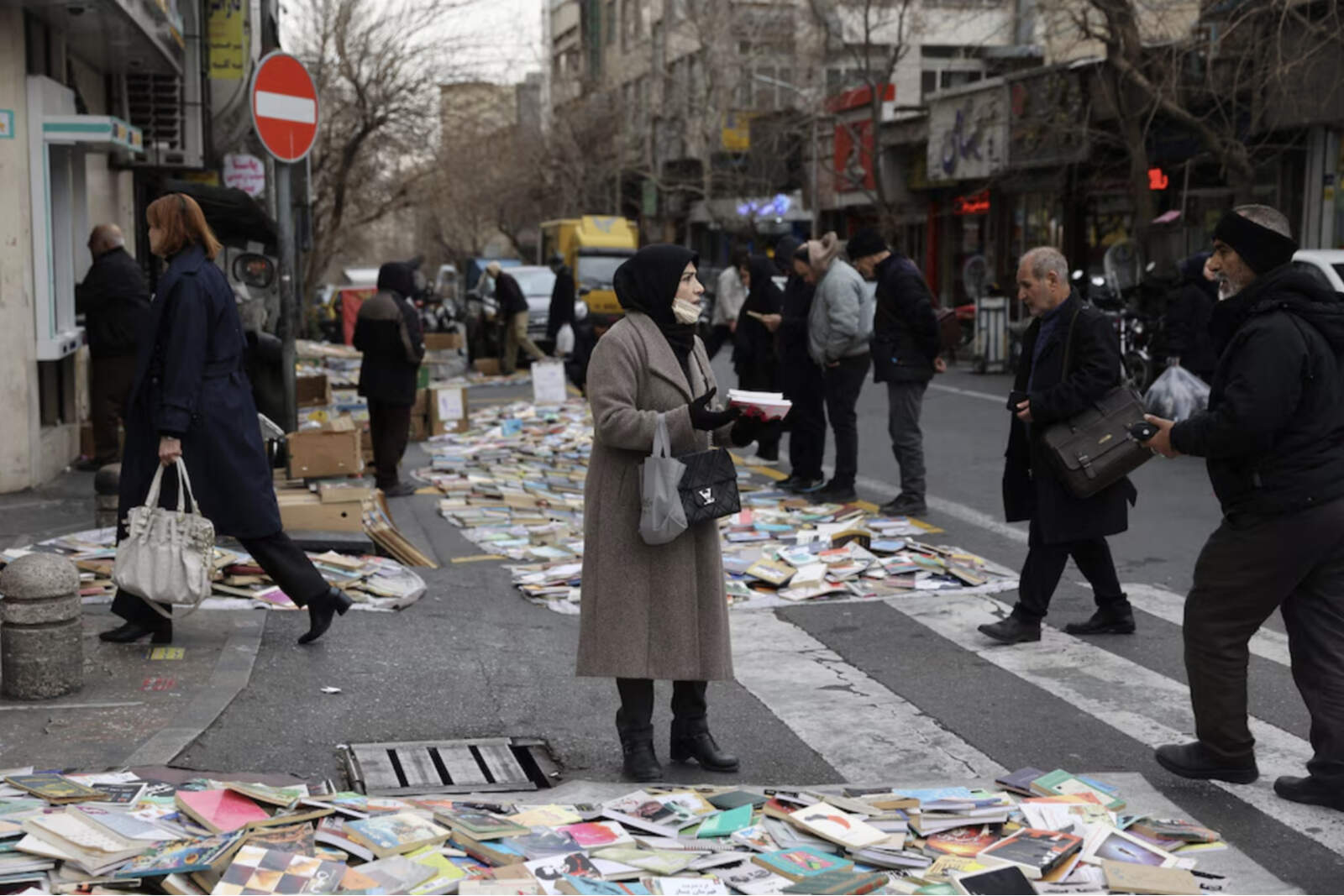
Transeúntes en Teherán el 19 de enero.

Despite the communication blockade, some individual stories began to emerge. In Isfahan, Sahba Rashtian, a 23-year-old animation artist, died from gunfire before the protest chants had even begun.

During her burial, her father, dressed in white, declared to those present that his daughter had died "on the path to freedom".

The protests, which began on December 28 with economic and political demands, spread to about 4,000 localities according to the Iranian National Security Council itself.

The brutality of the state's response suggests that the regime perceives the uprising as an existential threat. It is something comparable to the one that gave rise to the 1979 Islamic Revolution.


Noticias relacionadas

The Government achieved the release of Gendarme Nahuel Gallo after 448 days in prison in Venezuela

The Government achieved the release of Gendarme Nahuel Gallo after 448 days in prison in Venezuela

The United Kingdom joins the war and authorized the US to use its bases in the region to carry out attacks in Iran

The United Kingdom joins the war and authorized the US to use its bases in the region to carry out attacks in Iran

Trump announced that the US sank nine Iranian ships in a naval offensive

Trump announced that the US sank nine Iranian ships in a naval offensive

Milei will announce dozens of reforms tonight that will set the course of the Government in 2026

Milei will announce dozens of reforms tonight that will set the course of the Government in 2026

“For a Free Iran”: An Iranian prayer app was hacked and messages were sent calling for rebelling against the regime

“For a Free Iran”: An Iranian prayer app was hacked and messages were sent calling for rebelling against the regime

A Senegalese man carried out a cowardly terrorist attack in Texas motivated by the death of Khamenei

A Senegalese man carried out a cowardly terrorist attack in Texas motivated by the death of Khamenei

La Derecha Diario logo
TwitterInstagramYouTubeTikTok

Nosotros

  • Quienes Somos
  • Autores
  • Donar

Privacidad

  • Protección de datos
  • Canales
  • Sitemap

Contacto

  • info@derechadiario.com.ar
PUBLICIDAD