The initiative takes place within the framework of a strategy that seeks to guarantee “American space superiority”.
Nuevo
Agregar La Derecha Diario en
Compartir:
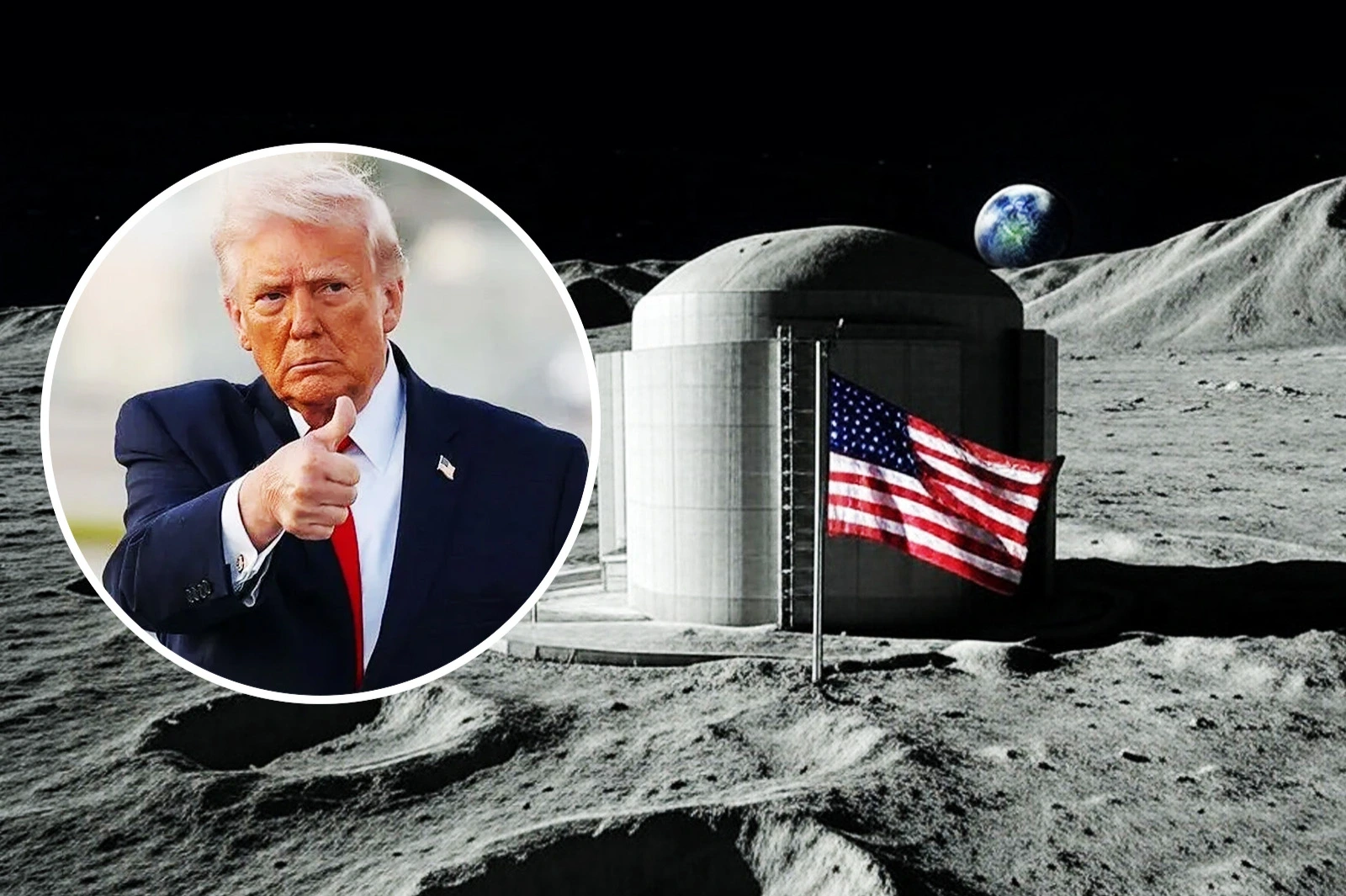
With the aim of consolidating its technological leadership, the Donald Trump administration's NASA officially launched an ambitious project to install nuclear reactors in Earth orbit and on the surface of the Moon before 2030, within the framework of a strategy that seeks to guarantee the “American space superiority”.
The initiative was formalized through a memorandum released by the Office of Science and Technology Policy (OSTP) of the White House, which establishes new guidelines for the development of nuclear space technology.
The document defines a concrete roadmap involving NASA, the Department of Defense and the Department of Energy (DOE), in a coordinated scheme to accelerate innovation in this field.
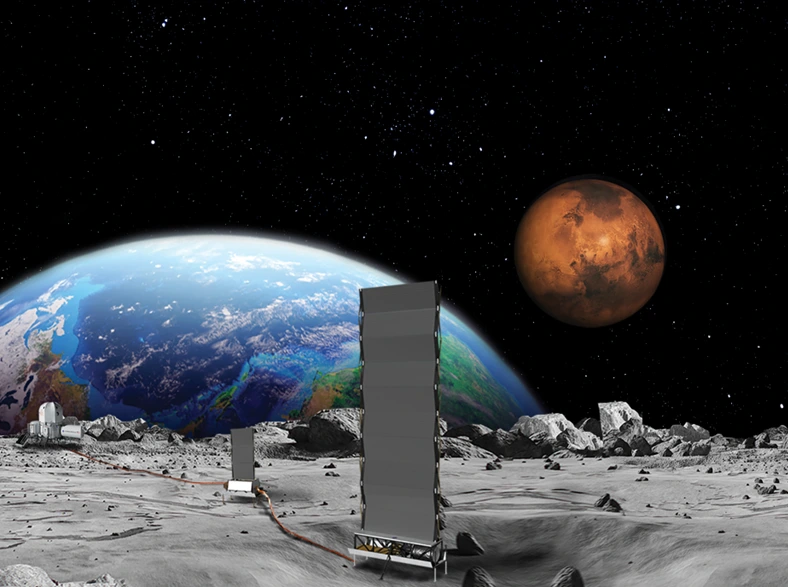
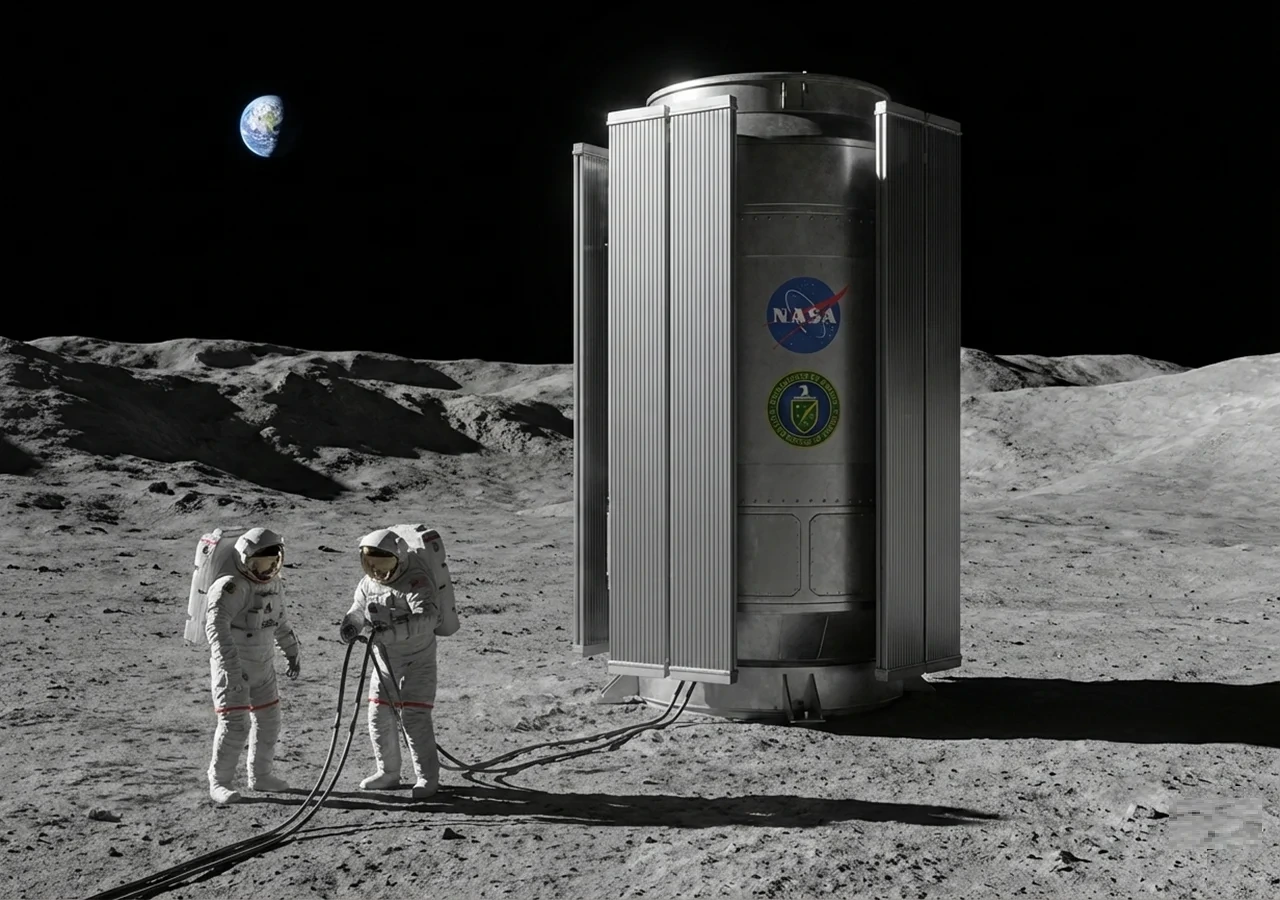
The central objective of the plan is to deploy a medium-power reactor in orbit by 2028, together with a variant intended for nuclear electric propulsion, and to move towards the installation of a large scale reactor on the lunar surface by the year 2030.
Photo of the NASA project.
As detailed, these technologies should be modular, scalable and suitable both to support future bases on the Moon and to promote longer-range space
missions.
Currently, most space systems rely on solar energy, a source that presents operational limitations for more complex projects. Although there is constant availability of sunlight, its intermittent nature and the need for storage in bulky batteries reduce its efficiency in demanding environments
.
The importance of nuclear energy
Faced with this scenario, nuclear energy appears as a strategic alternative. Reactors make it possible to generate continuous energy for years through nuclear fission, which would not only facilitate survival in lunar bases, but would also enable advances in space propulsion. This last application would allow ships to accelerate steadily without relying on traditional chemical fuels
.
“Nuclear power in space will provide us with the sustained electricity, heating and propulsion essential for a permanent presence on the Moon, Mars and beyond,” the OSTP said in summarizing the scope of the program.
Nuclear reactor on the Moon.
Along the same lines, NASA administrator Jared Isaacman said: “The time has come for the United States to undertake the use of nuclear energy
in space.”
The plan also sets specific technical goals. The systems must generate at least 20 kilowatts of electricity during three years in orbit and five years on the lunar surface, with the capacity to scale up to 100 kWe. In addition, the first designs are expected to be available within a year.
The Department of Energy will play a key role in ensuring the supply of fuel, the necessary infrastructure and nuclear safety standards. In turn, it will evaluate the industry's capacity to produce up to four reactors over a five-year period
.
At the heart of this initiative is technological competition with China, in a race to develop advanced energy infrastructure in space. In this context, nuclear energy is positioned as a central axis of the American strategy to expand its presence beyond Earth orbit and consolidate its leadership in lunar exploration