The electricity demand from AI data centers is pushing automakers like GM and Ford to heavily invest in energy storage, a market that is growing rapidly and where Tesla dominates
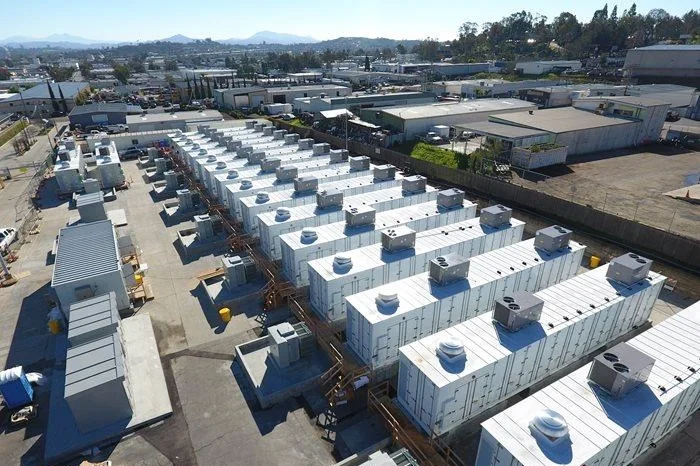
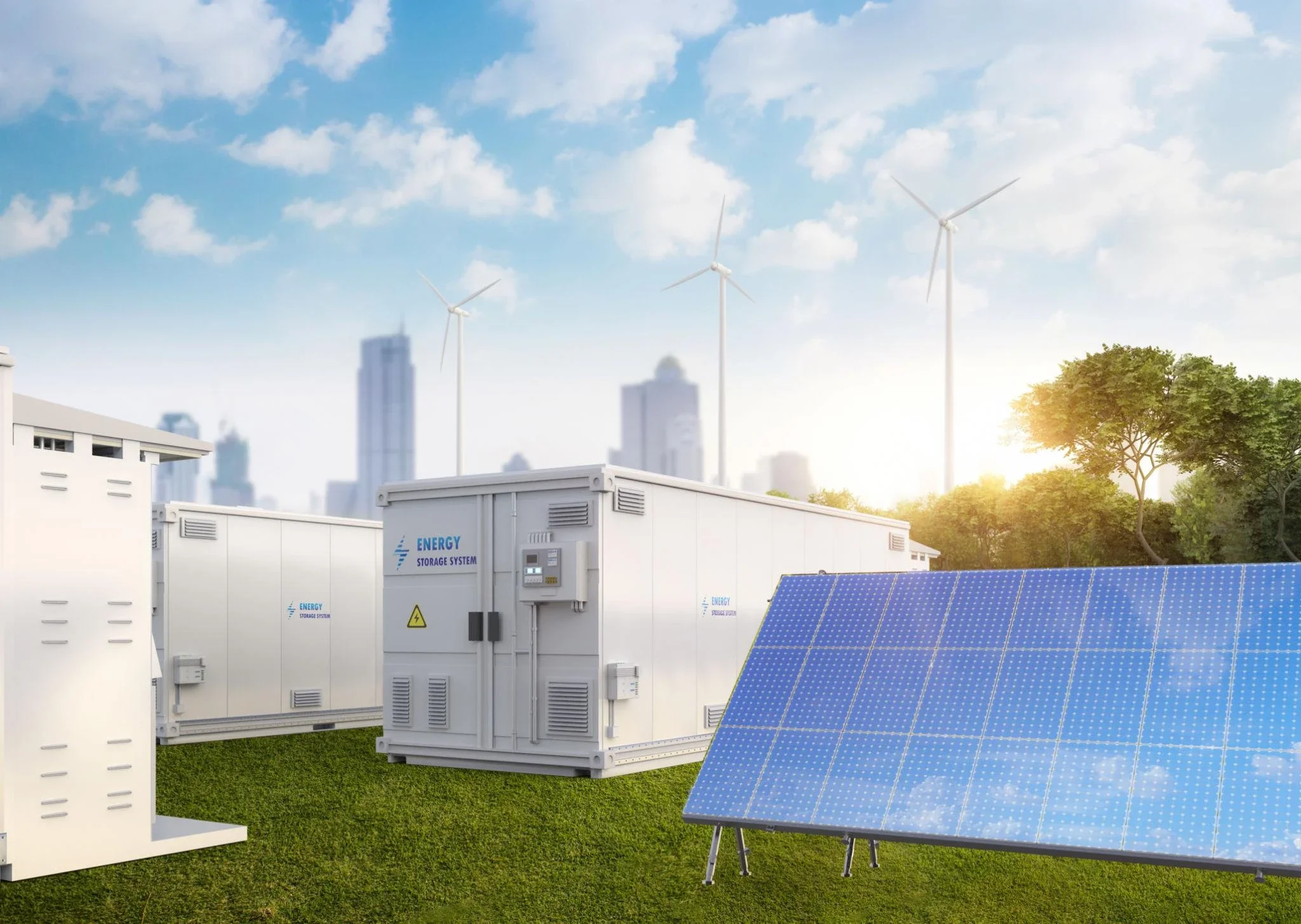
The stationary battery business has become one of the most attractive sectors at the moment While electric vehicle sales have stagnated in the United States, large battery installations for energy storage have doubled in the last two years and show no signs of stopping.
Traditional automakers like Ford and now General Motors (GM) want to grab their share of this pie that Tesla dominates with an iron fist The main reason is the boom in data centers for artificial intelligence, which multiplies the demand for electricity.
Energy demand from these data centers is expected to nearly triple by the end of the decade. But that's not all: more and more sectors such as transportation, manufacturing, and HVAC systems are also being electrified.
The current dominance of Tesla
Tesla takes the largest share of the market Of the total installed last year, about 57 gigawatt-hours, Elon Musk's company was responsible for 82%. Its revenue from energy generation and storage has doubled since 2023, driven by products like Megapack and Powerwall.
Moreover, profit margins in this segment hover around 30%, double what it earns with electric cars and much more than the average of traditional automakers GM, for example, averages just over 11% in the last 15 years.
Despite the potential, GM is not rushing. Just on Tuesday, it unveiled a new sodium-ion battery chemistry specifically designed for this market. The product won't be ready until later this decade.
The advantages of sodium-ion technology
GM executives emphasize that sodium-ion uses cheap and abundant materials, does not require active cooling systems, and supports many more charge and discharge cycles than lithium Additionally, it avoids dependence on supply chains controlled by China, as is the case with cobalt.
“It gives us a path to resilience in the supply chain and low-cost materials,” explained an executive This technology is still in its infancy, opening opportunities for other countries to invest and develop their own production.
GM could have chosen the easier path by reusing its lithium cells, as Tesla and Ford did. But the company continues to bet heavily on the future of electric vehicles and does not want to divert manufacturing capacity.
Other bets and the overall landscape
The automaker is developing another chemistry, rich lithium-manganese (LMR), which would debut in 2028 and reduce the cost of EVs by about 10%, bringing them closer to the price of combustion vehicles. After that, sodium-ion would follow, which some Chinese manufacturers are already using
These batteries are heavier and have lower range, but are cheaper, less prone to fires, and have fast charging potential This makes them ideal for budget cars.
Not only the big automakers are getting involved: startups are raising millions in funding. One raised $1 billion to expand, and another $232 million for residential batteries. Even an electric RV manufacturer now sells mobile batteries for construction sites.