The U.S. Climate Prediction Center estimated that there is an 81% chance that a "very strong" El Niño episode will develop between October and December. In Argentina, a prevention plan has already been activated
In Australia, it tends to cause drier conditions, while in East Africa and the southern United States, it favors precipitation above normal values.
What measures has the Argentine government taken?
In light of the forecasts, the national government approved the Federal Coordination Plan ENSO 2026/2027, a strategy aimed at organizing the response to potential climatic emergencies.
The initiative was formalized through Resolution 559/2026 of the Ministry of Security and establishes that the Federal Emergency Agency (AFE) will coordinate actions along with provinces, municipalities, and national agencies.
The program will remain in effect from July 2026 until the second half of 2027 and may be updated according to the evolution of weather conditions.
Authorities identified the Plata Basin as one of the regions at greatest risk of suffering the consequences of the phenomenon.
For this reason, the plan focuses preventive actions on:
Buenos Aires.
Autonomous City of Buenos Aires.
Entre Ríos.
Santa Fe.
Corrientes.
Chaco.
Formosa.
Misiones.
In these jurisdictions, monitoring, prevention, and response tasks will be reinforced in the face of potential flooding, river rises, and other extreme events.
Concern over the advance of the climatic phenomenon El Niño is growing worldwide. In recent hours, the Climate Prediction Center (CPC) of the United States warned that the event continues to strengthen and could be among the most intense recorded since measurements began.
According to the agency, there is an 81% chance that between October and December a phenomenon classified as "very strong" will develop, an intensity that has only been reached by some of the most significant events since records began in 1950.
The warning has raised alarms not only due to the global impact it may generate but also because of the consequences it could have in Argentina, where the government has already implemented a special prevention plan.
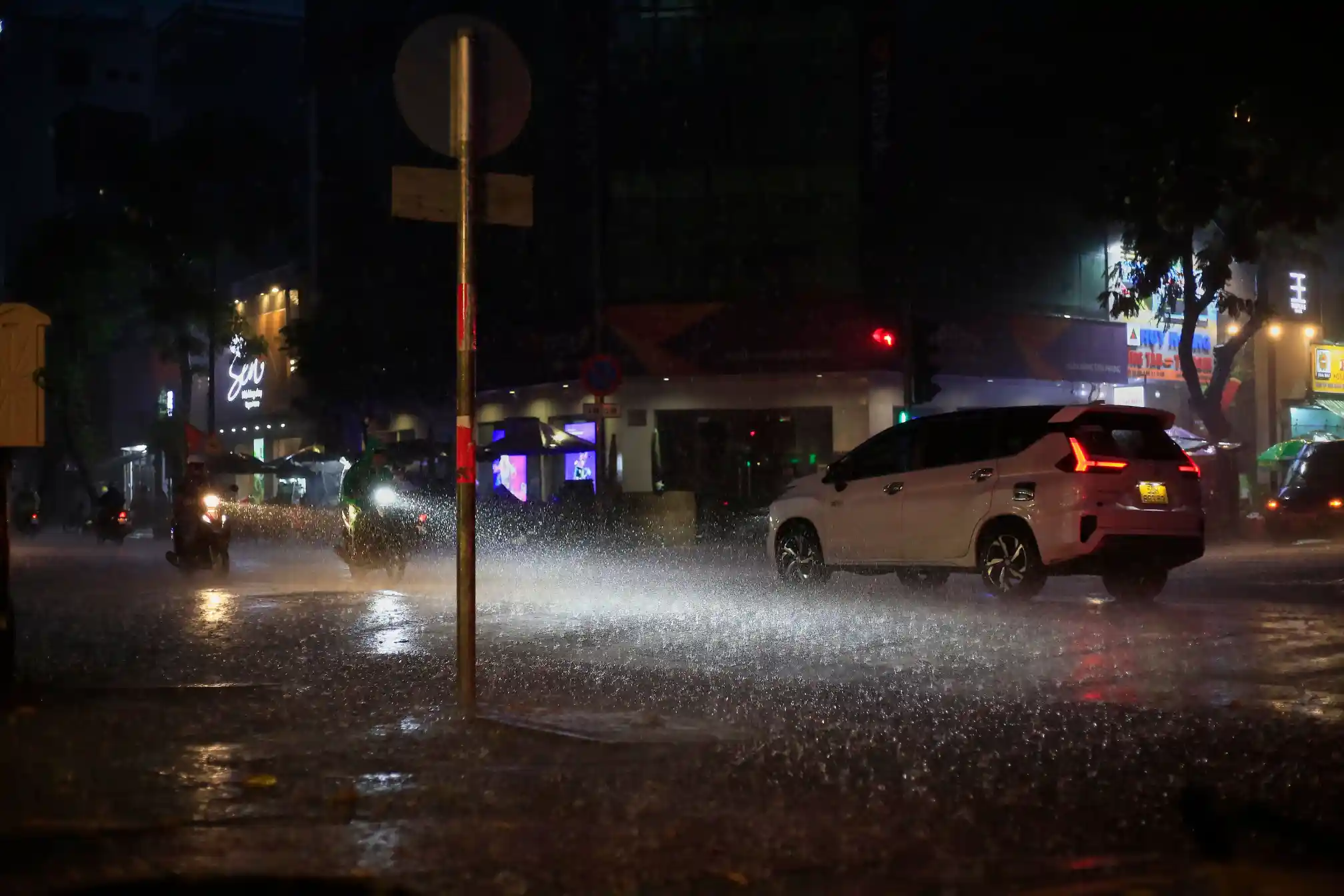
Major flooding is expected across the country
What is the El Niño phenomenon?
El Niño is part of the climatic phenomenon known as El Niño-Southern Oscillation (ENSO) and is characterized by an abnormal increase in the sea surface temperature of the equatorial Pacific Ocean.
Although it develops over the Pacific Ocean, its effects can be felt thousands of kilometers away and cause extreme weather phenomena in different continents.
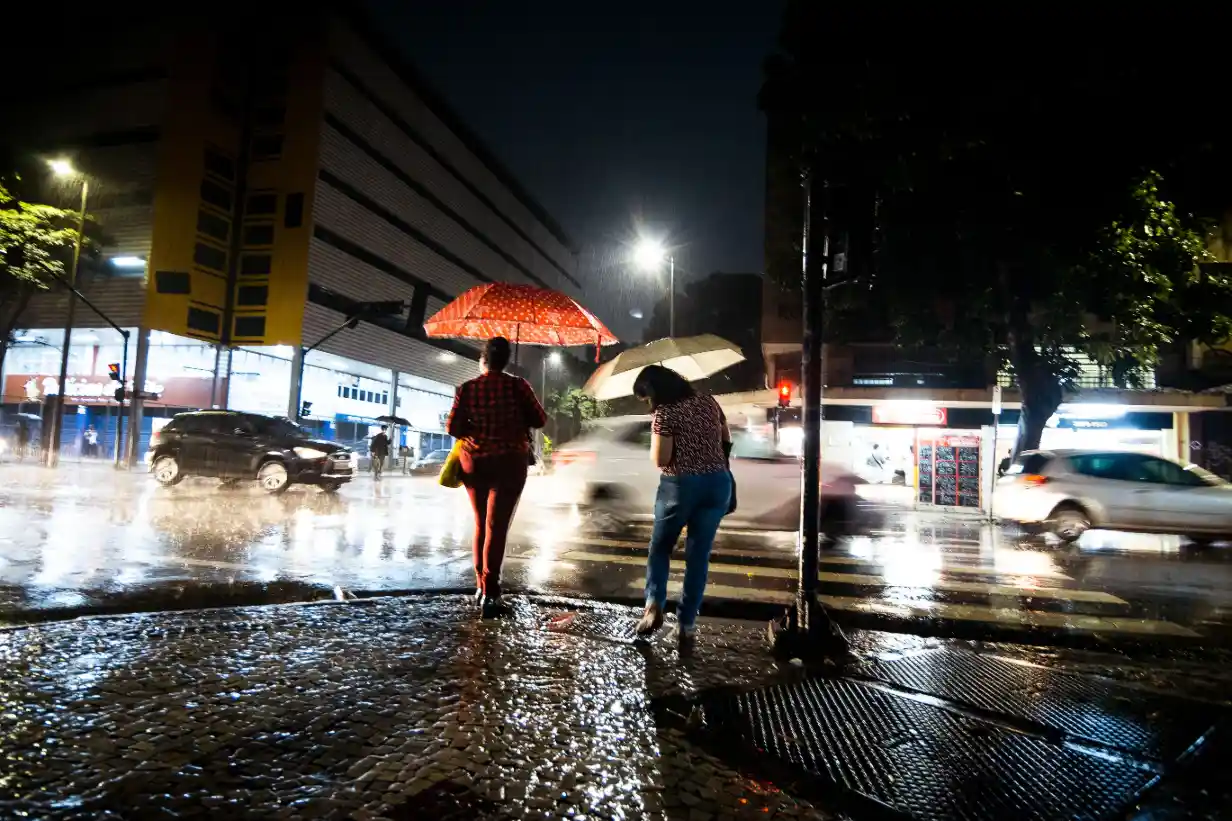
It is expected to affect a large number of provinces in the country
In its most recent report, the Climate Prediction Center noted that there is a high probability that the phenomenon will reach an intensity considered "very strong", meaning temperatures will be at least 2 °C above normal ocean values.
Additionally, specialists estimated a 97% chance that El Niño will remain active until the beginning of the boreal spring of 2027.
If this scenario materializes, the phenomenon would join the group of the most intense episodes recorded in recent decades.
What effects can El Niño cause?
Historically, El Niño events produce climatic alterations in various parts of the world.