Venezuela was shaken by a strong series of earthquakes that generated national alarm and left preliminary estimates of tens of thousands of possible fatalities. According to the United States Geological Survey (USGS), two major seismic movements occurred less than a minute apart, followed by nearly twenty aftershocks that increased the magnitude of the emergency.
The first earthquake registered a magnitude of 7.2 and had an approximate depth of 13 kilometers. Shortly after, a second, even stronger quake reached a magnitude of 7.5, causing widespread damage in various areas of the country, especially in Caracas and regions near the Caribbean coast.
The USGS warned that, due to the intensity of the movements and the concentration of population in the affected areas, it was likely that there would be ''high numbers of casualties and extensive damage.'' Initial projections placed the potential number of deceased between 10,000 and 100,000 people, although Venezuelan authorities had not yet confirmed an official number of dead or injured.
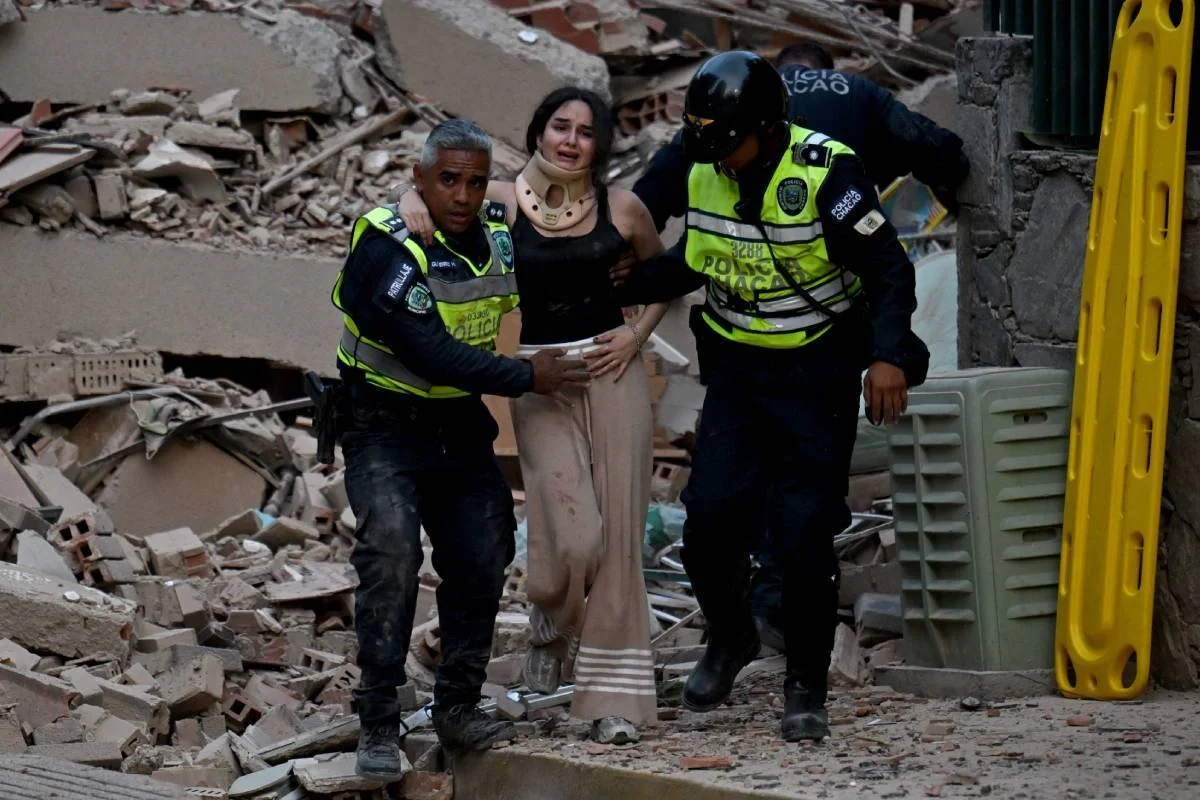
The lack of definitive data was due to emergency teams continuing to assess the situation in the early hours following the disaster. Collapsed buildings, damaged structures, and cuts in essential services hampered rescue and communication efforts.
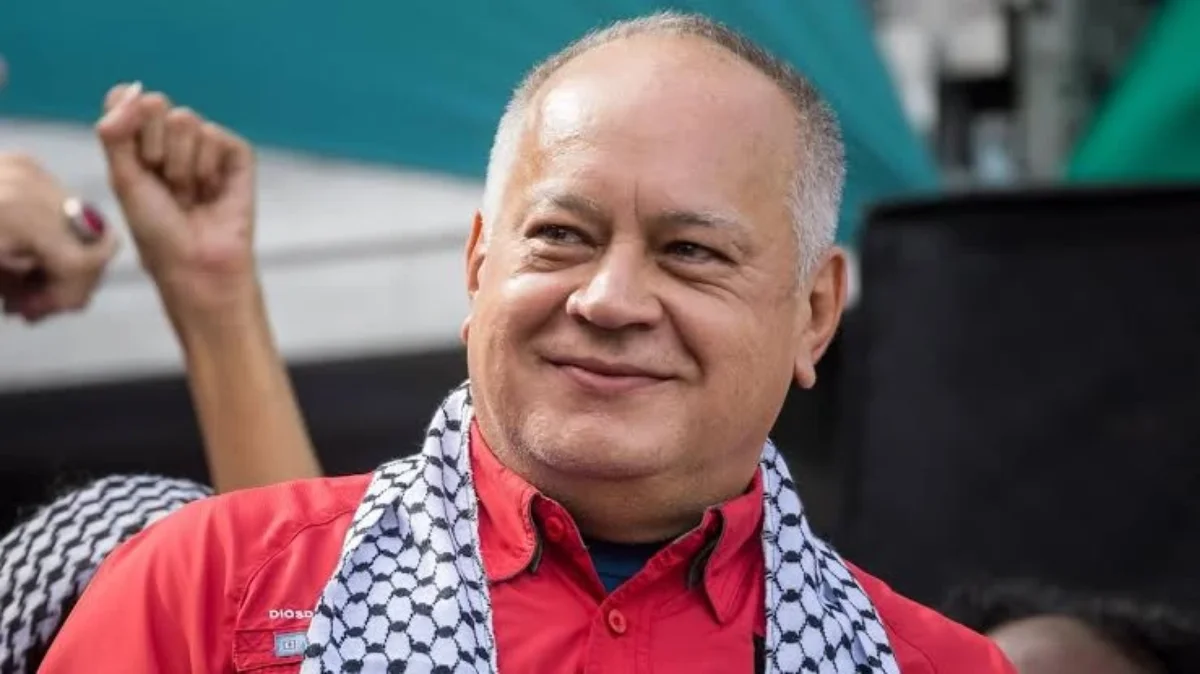
The Interior Minister, Diosdado Cabello, confirmed that several constructions were destroyed and that security agencies, firefighters, and civil assistance teams were deployed to address the emergency.
''We have buildings, homes, and residences that have collapsed, and we are addressing the situation with everything we have available,'' Cabello stated on state television. The official assured that all response bodies had been activated to locate survivors and assist those affected.
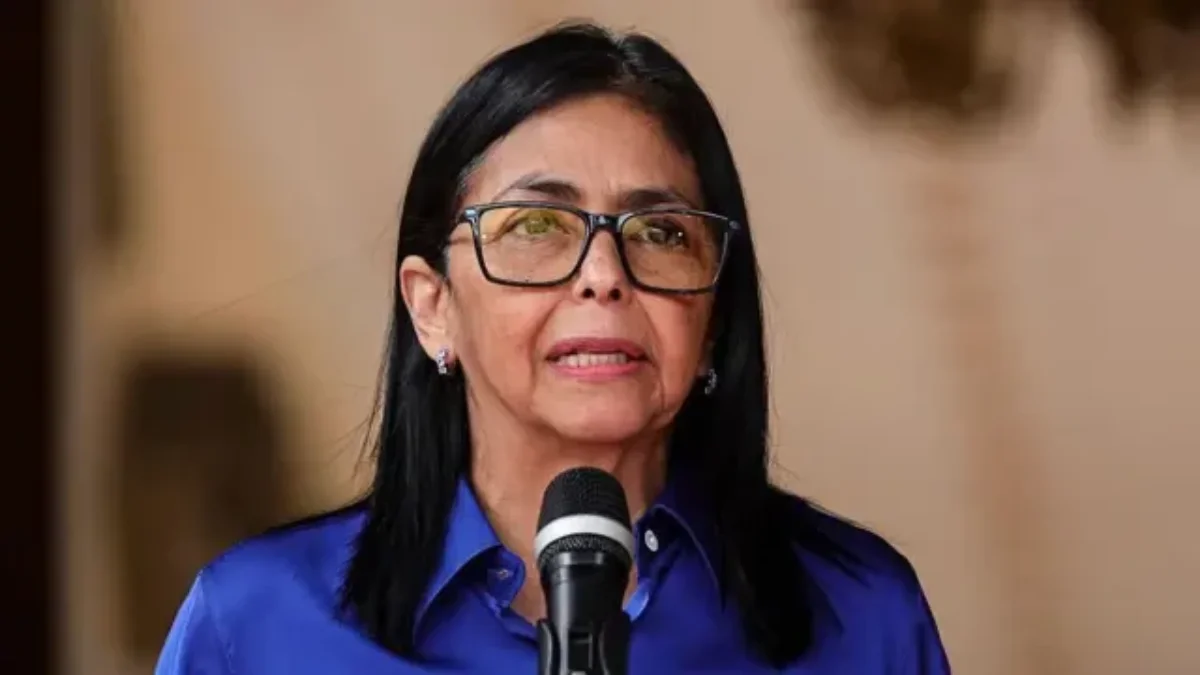
The interim president Delcy Rodríguezdeclared a state of emergency and expressed her condolences to the families of the possible victims, although she also did not provide an official death toll. Rodríguez also reported that Simón Bolívar International Airport, located in Maiquetía and the main airport terminal near Caracas, was closed due to damage caused by the earthquake.
Diosdado Cabello confirmed the deployment of all emergency services for search and identification tasks of victims
Images circulated on social media showed scenes of destruction in the Venezuelan capital. Rescue teams were seen entering among the rubble of collapsed buildings while desperate family members searched for information about their loved ones.
Residents of Caracas described moments of panic as the seismic movements began. Some residents reported hearing screams as people tried to quickly exit the buildings. Others reported cracks in walls, broken glass, and visible damage to structures.
The Venezuelan capital, which had already suffered a devastating earthquake of magnitude 6.3 in 1967, faced another large-scale seismic emergency. Firefighters and rescue vehicles patrolled the streets while affected buildings were inspected.
The interim Venezuelan president, Delcy Rodríguez, declared a state of emergency throughout the country
The epicenter was located approximately 17 kilometers west of the community of Morón, on the Venezuelan Caribbean coast. The effects of the earthquake were also reported in neighboring countries, including Colombia, where residents claimed to have felt the tremors.
In addition to the material damage and the threat of a humanitarian crisis, authorities issued tsunami alerts for Venezuela, Aruba, and Bonaire, while Puerto Rico and the British Virgin Islands received precautionary warnings from the U.S. tsunami alert system.