This June 10 marks one year since the Supreme Court of Justice of the Nation confirmed the sentence against the corrupt former president Cristina Fernández de Kirchner in the case known as “Vialidad.”
The decision upheld a six-year prison sentence and lifetime disqualification from holding public office for the crime of fraudulent administration to the detriment of the State.
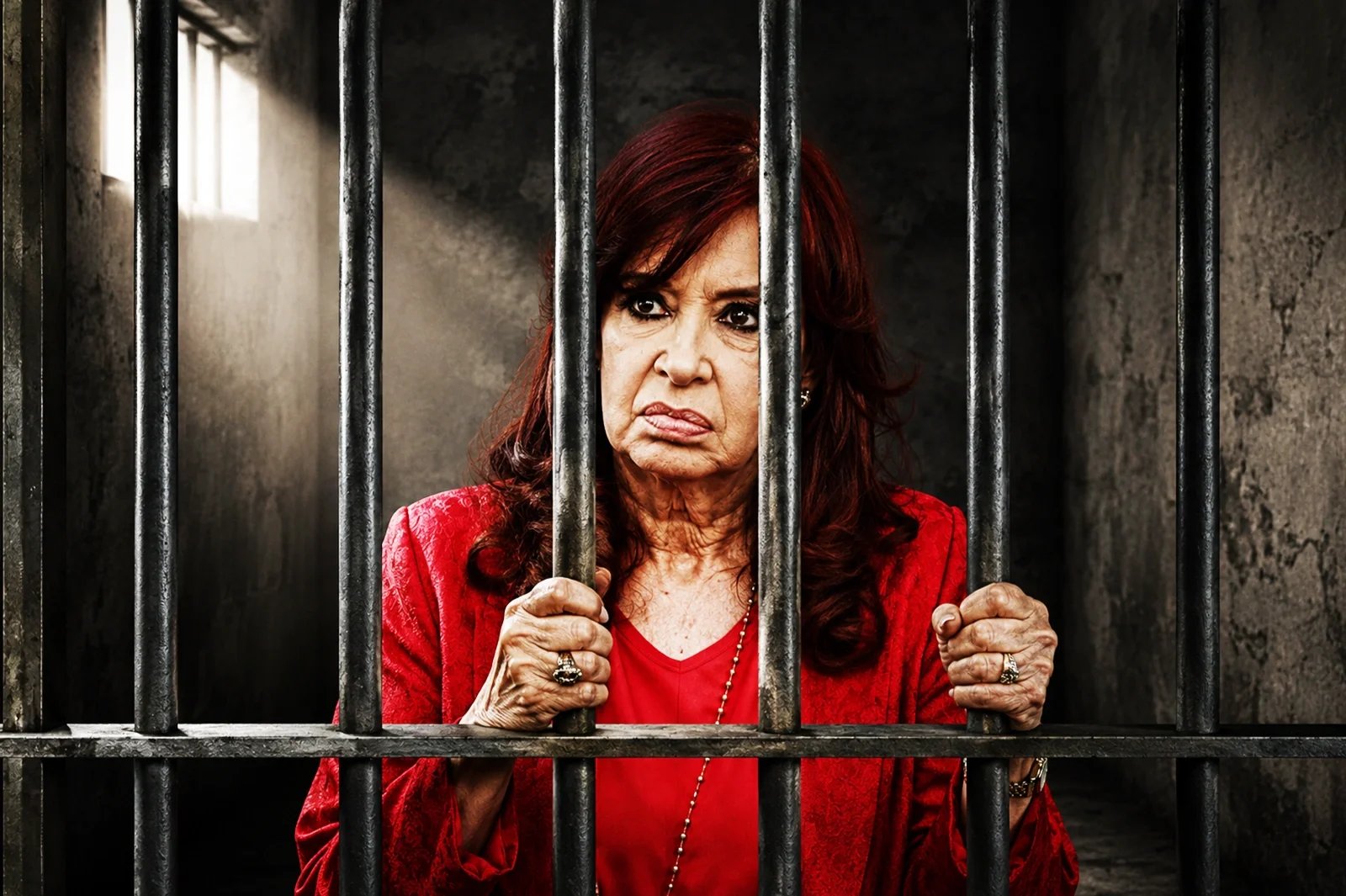
The ruling led to the detention of the former president, who later obtained the benefit of house arrest due to her age. Since then, she has been serving her sentence in her apartment located at San José 1111, in the City of Buenos Aires, under a visitation regime and conditions set by the Federal Oral Court 2.
Cristina Kirchner
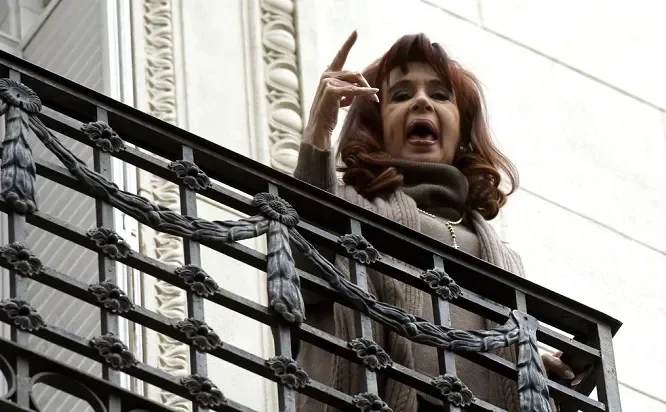
In this context, she was allowed to go out onto the balcony of her home without specific restrictions on frequency, a tool that Cristina used to call for political events in the street, generating a great discomfort throughout the area.
The Vialidad case, which resulted in the sentence confirmed by the Supreme Court, investigated the direction of road works in the province of Santa Cruz in favor of businessman Lázaro Báez. The Justice determined that there was fraudulent administration to the detriment of the State, which led to the currently applicable sentence.
The current situation of the corrupt Cristina Kirchner
During the first phase of serving her sentence, the former president received visits from Kirchnerist leaders, union members, and legislators. However, as months passed, the dynamics of these meetings were altered by judicial decision.
Cristina Kirchner
Since November 2025, stricter limits have been established. Currently, Cristina Kirchner can receive visits two days a week, for a maximum of two hours per day, with a cap of three people per meeting.
These restrictions do not apply to her children, her doctor, her lawyer, or her private secretaries, who can enter without limitations.
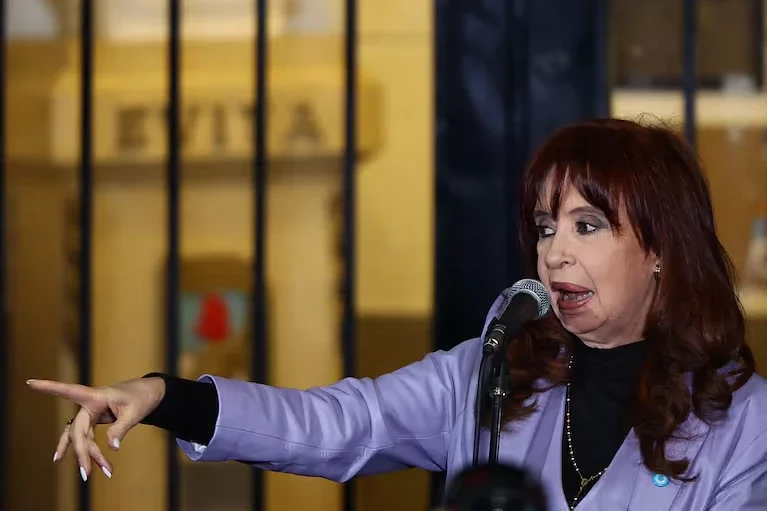
Throughout this year, the convicted for corruption has maintained communication with leaders from various sectors of Peronism, particularly with party, legislative, and territorial representatives. Her political activity, however, has been conditioned by the compliance with the sentence and the existing judicial restrictions.
In parallel, various political sectors have held public activities related to her judicial situation, including party meetings and calls in public spaces. A mobilization is planned for June 20, with a concentration at Parque Lezama and a subsequent march to the residence where she is serving her detention.
Furthermore, following the lifetime disqualification, Peronism has become deeply divided into two stances regarding her political leadership. While Kirchnerism insists that she must continue to be the sole leader of the space, other sectors are pushing for a supposed "renewal."
In this context, the governor of the Province of Buenos Aires, Axel Kicillof, seeks to position himself as the main reference of the space, with new leadership and to build an opposition front for 2027, which has caused strong tensions with the hardline Kirchnerists.
One year after the final ruling, Cristina Kirchner's judicial situation continues to be marked by compliance with the sentence under house arrest, political activity centered on her situation, and a strong internal conflict over the future leadership of the party.