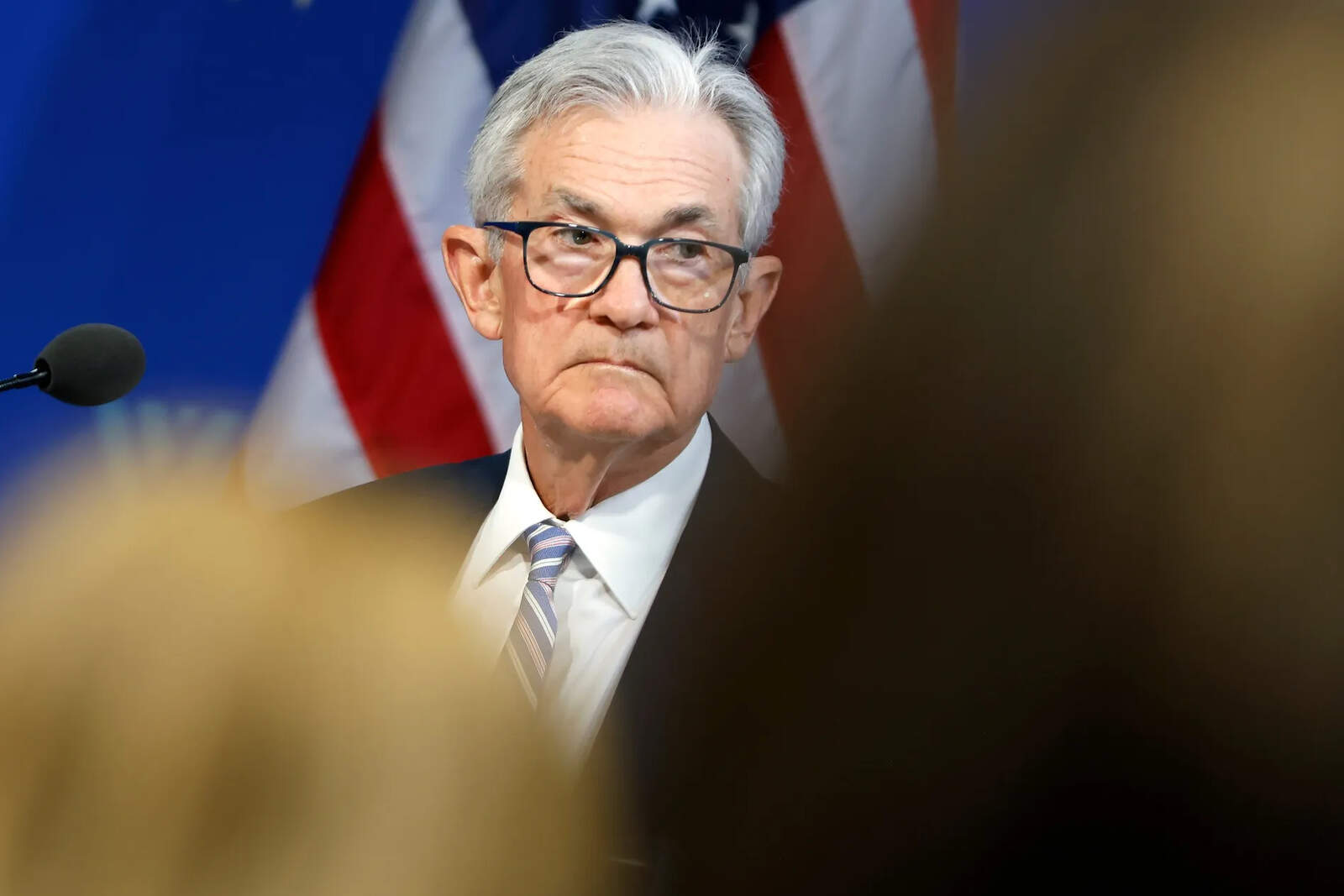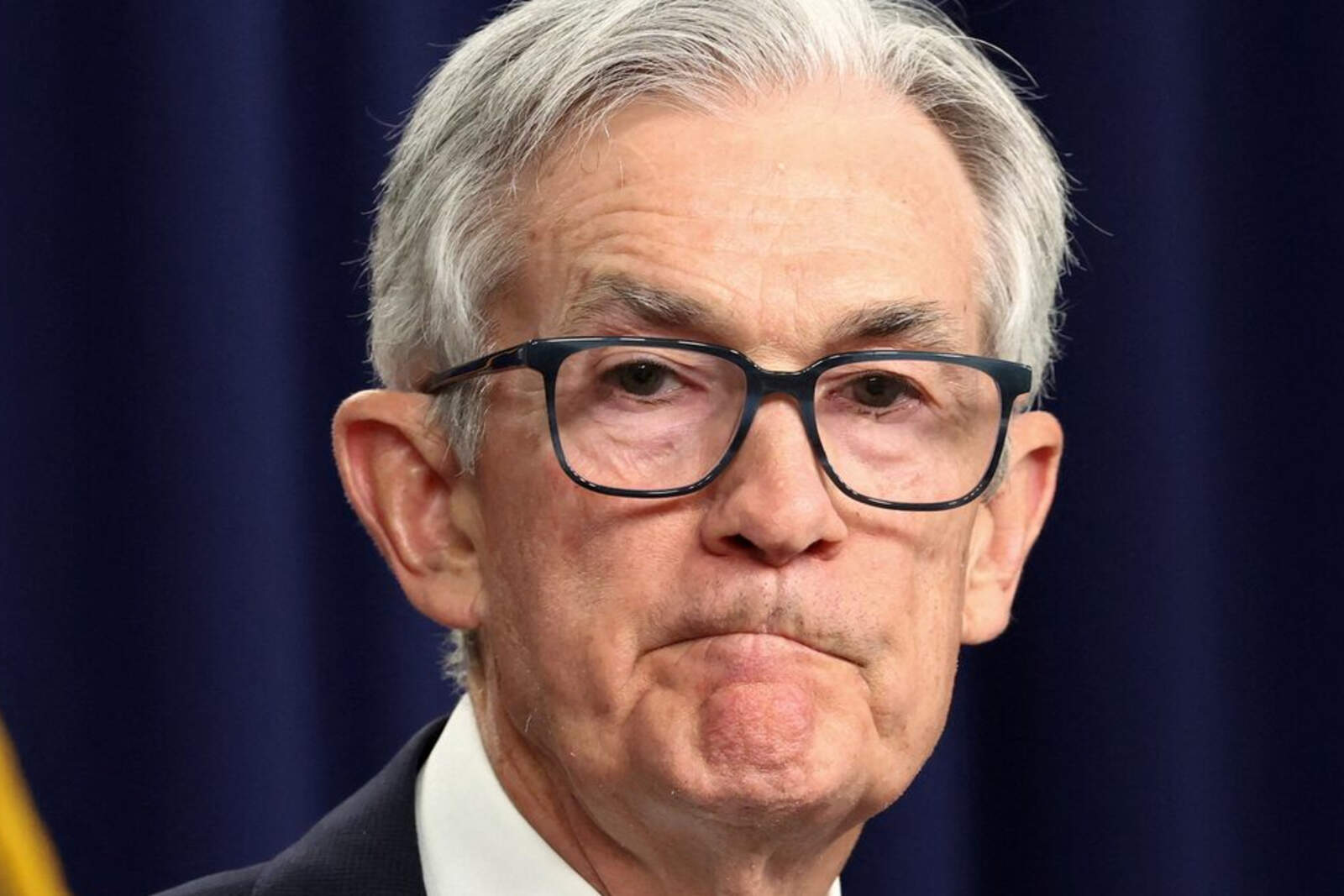

The United States Federal Reserve reduced the interest rate by 0.25% this Wednesday afternoon, setting it between 4.00% and 4.25%. The measure was approved by the board of governors by a wide majority, with 11 votes in favor and one against.
Stephen Miram, the new central bank governor who was approved by the Senate earlier this week after being nominated by President Trump, was the only recorded dissenter, arguing that a half-point rate cut would have been the healthiest option for the U.S. economy.
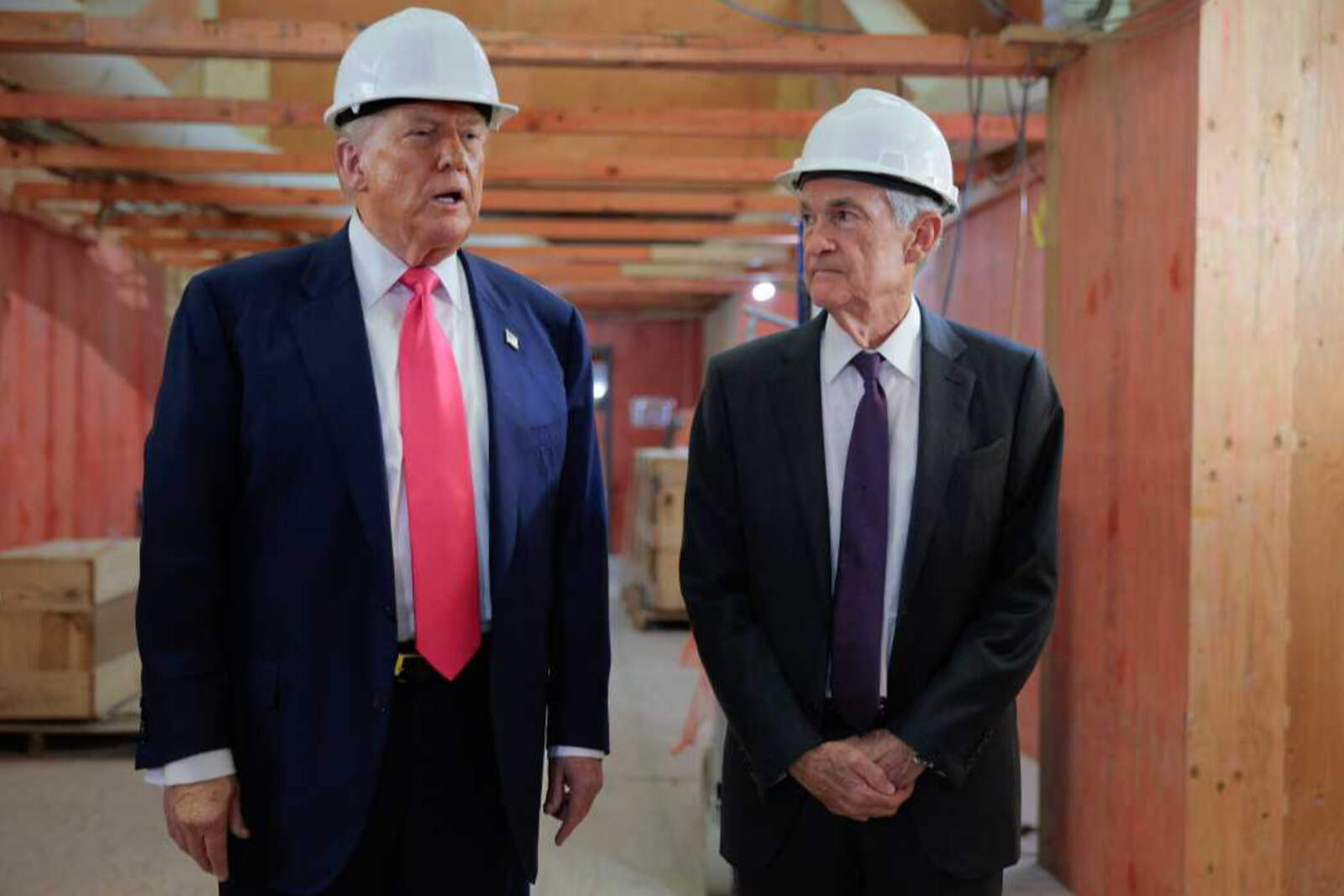
Trump had advocated a few days ago for a "big rate cut" that ultimately did not materialize. The president had said on Sunday that it would be the ideal time to lower the interest rate, since the country was doing well in every aspect. "Energy is very low, groceries have gone down, everything, almost everything has dropped a lot," he commented.
Powell doesn't take the blame
According to the Fed's statement, a slowdown in job creation is being observed and inflation "has increased and remains somewhat elevated", adding in the document that "the committee believes that downside risks to employment have increased."
The head of the monetary entity, Jerome Powell, a fierce anti-Trump figure, has blamed Trump's tariff policy for these new revisions instead of taking responsibility for a rate cut that should have come months ago and that has endangered the country's economy.
"Higher tariffs have begun to raise prices in some categories of goods, but their overall effects on economic activity and inflation remain to be seen," Powell added at the press conference, whose term ends next year.