
The impact of this influx of foreign currency is direct on the State's coffers. The USD 620 million raised will be deposited in the Treasury account at the Central Bank of the Argentine Republic (BCRA).






The Ministry of Economy awarded a new placement of the AO29 for USD 150 million, reaching a total of USD 620 million raised between both auctions and strengthening the Treasury's financing strategy without resorting to monetary issuance
The impact of this influx of foreign currency is direct on the State's coffers. The USD 620 million raised will be deposited in the Treasury account at the Central Bank of the Argentine Republic (BCRA).





The consolidation of the financial program of the government of Javier Milei has reached a new milestone this week with the successful placement of the new dollar bond, the Bonar 2029 (AO29). The Ministry of Economy managed to capture massive interest from domestic investors, securing the necessary financing to honor the country's commitments without resorting to the monetary issuance characteristic of Kirchnerism.
Specifically, the Secretariat of Finance closed this Thursday the second round of the auction of the AO29, awarding a total of USD 150 million. These figures, combined with the USD 470 million obtained on Wednesday, raise the total financing achieved through this instrument to USD 620 million.
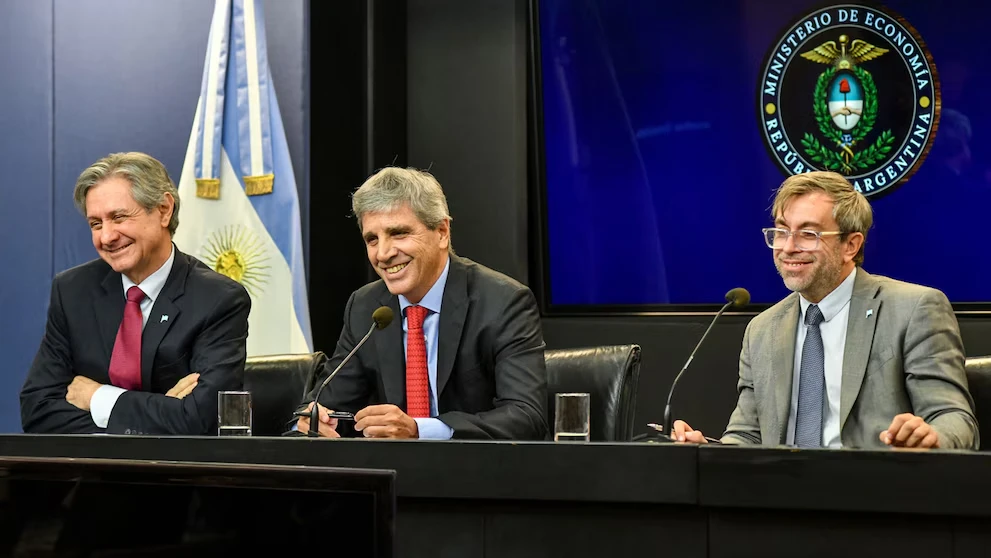
The operation was carried out at a Nominal Annual Rate (TNA) of 7.99%, achieving the official goal of staying below the 8% barrier, a cost significantly lower than what the international market would currently demand.
The success of the day was based on an audacious strategy led by Minister Luis Caputo. Unlike previous issuances such as the Bonar 2027 (AO27) and the Bonar 2028 (AO28), the Government decided to eliminate the placement cap in the first auction to absorb the liquidity from the recent payment of maturities of USD 4.2 billion.
In this regard, Minister Caputo explained: “This is because many people, once they receive the coupon, try to reinvest it; as we are paying USD 4.2 billion in this placement, we say: 'We won't set a limit of USD 150 million' because maybe there are more people who want to reinvest it and it could be a slightly larger placement”.
For his part, the Secretary of Finance, Federico Furiase, reinforced this view by stating that the measure aimed to “take advantage of the payment of the maturity and, obviously, there we can have more demand eventually due to the payment of the bond”. In this second round, offers were received for a total of USD 276 million, of which the mentioned USD 150 million were awarded.
According to official records, as of July 14, deposits in foreign currency amounted to USD 3.308 billion, a figure that will rise to USD 3.928 billion after the entry of funds from the AO29, strengthening the country's financial position.
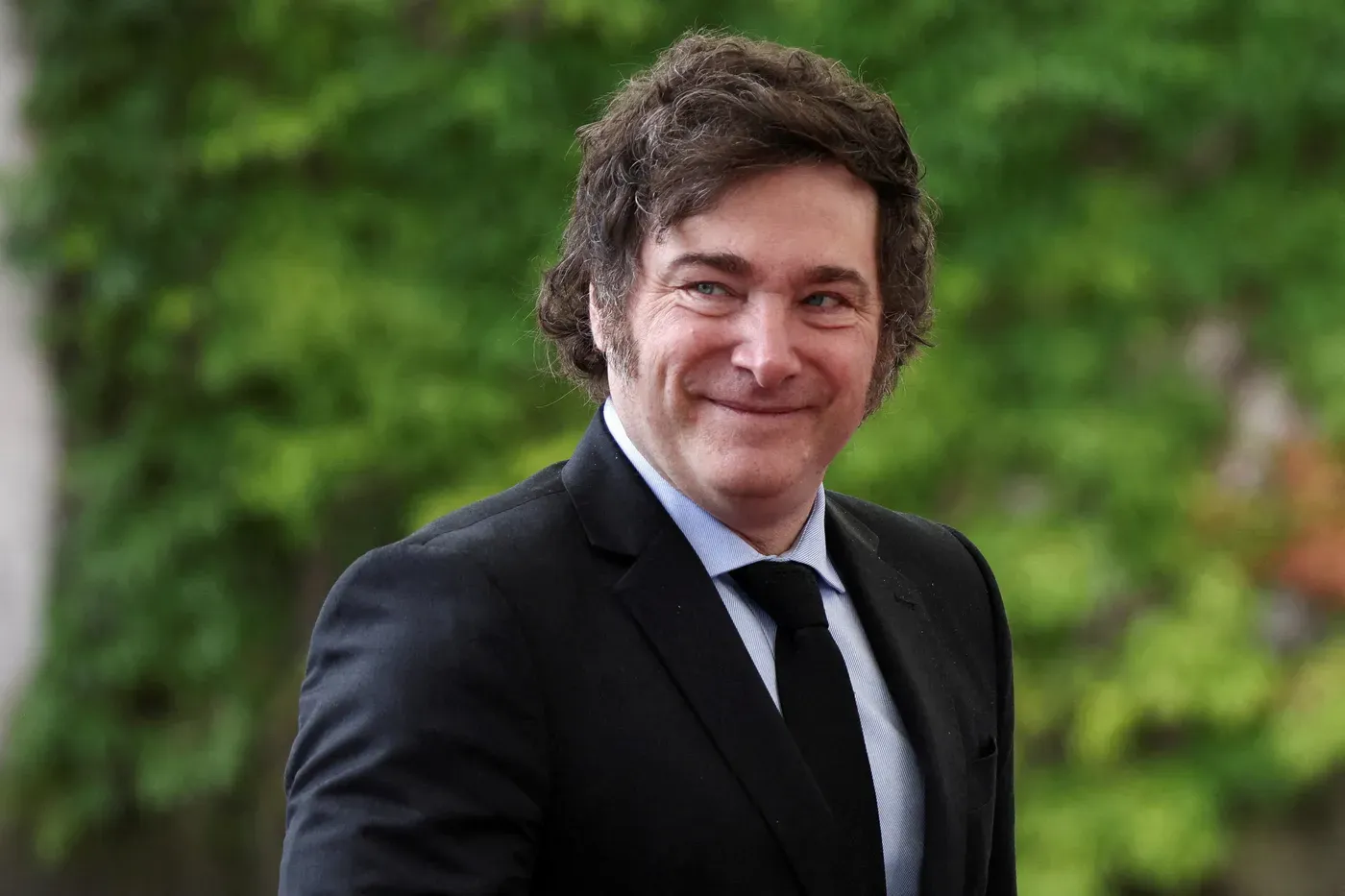
Private sector analysts have highlighted the relevance of this "test" for the Javier Milei program. Nicolás Cappella, Sales Trader at Invertir en Bolsa (IEB), emphasized that market interest focused on the cut-off rate and the volume of offers, components he described as a “cornerstone in the financial program for 2026 and 2027”.
Additionally, Adrián Yarde Buller, economist at Facimex Valores, highlighted the Government's ability to finance itself for terms that exceed the current mandate: “With the AO28 and AN29, we have already seen that the Government could gradually obtain financing with maturities within the next presidential term, so I think the most important thing will be to see if it can start to finance for longer terms below 8%”.
Looking ahead to the near future, the Secretariat of Finance plans a new auction in 15 days to continue covering the remaining quota of USD 1.38 billion of the USD 2 billion stipulated for this bond.
In that upcoming instance, the usual limits of USD 150 million for the first round and USD 100 million for the second will be reinstated. To date, the economic team has already managed to raise USD 4 billion through the AO27 and AO28 bonds, making steady progress toward the goal of USD 6 billion set in the local capital market for the year 2026.