The U.S. president confirmed that he will begin direct actions against the drug enclaves of Maduro's regime
Nuevo
Agregar La Derecha Diario en
Compartir:
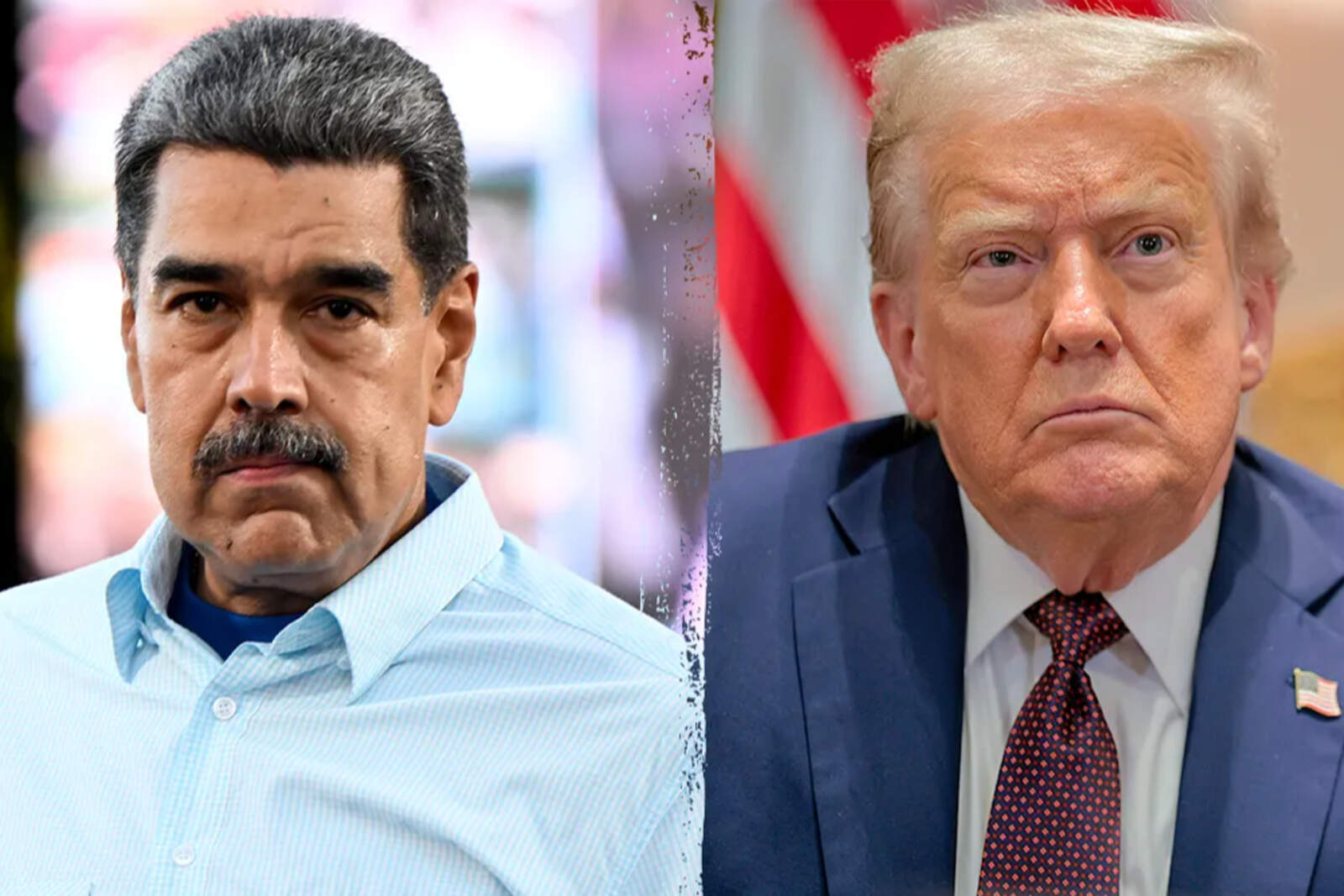
The United States has opened a new phase in its offensive against Venezuelan narco-terrorism. President Donald Trump announced that the U.S. Armed Forces will "very soon" carry out operations directly in territory controlled by criminal networks linked to the regime of Nicolás Maduro. The measure marks a qualitative leap within Operation Southern Spear, launched in September, which until now had focused on naval and air attacks in the Caribbean.
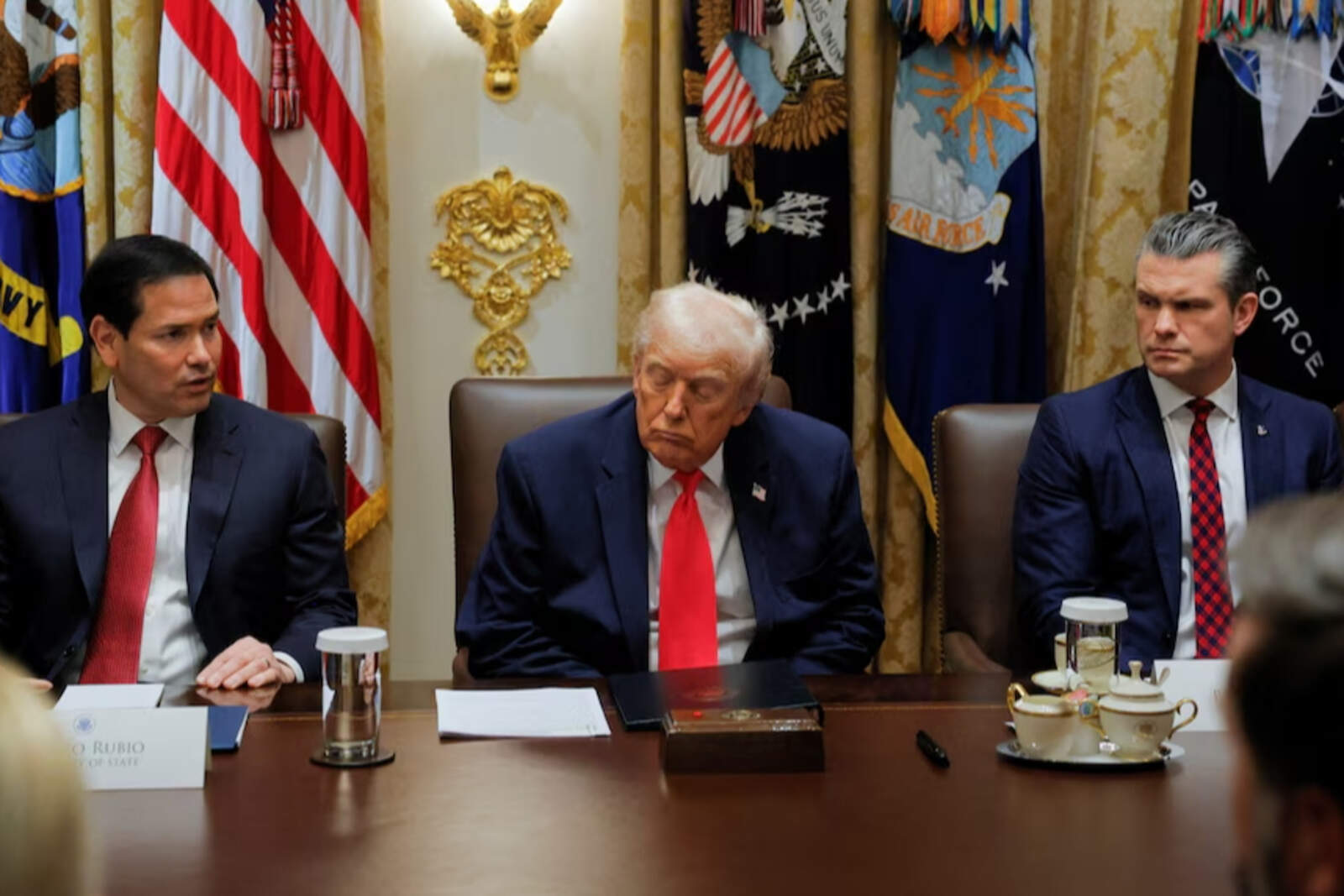
Trump made the announcement during a cabinet meeting at the White House, in a context marked by growing diplomatic tensions with Caracas. The president was categorical: launching ground actions "is much easier," becausethe United States already knows the logistical corridors and the locations where the drug trafficking leaders operate. Donald Trump junto a funcionarios de la administración.
The Pentagon, which acknowledges having destroyed about twenty vessels and caused more than 80 casualties among drug traffickers in maritime operations, keeps that the next step is to disrupt the territorial capacity of the Cartel of the Suns, the criminal structure that Washington directly associates with Maduro and his political and military circle.
The relationship between both countries is completely broken since the United States refused to recognize the fraudulent reelection of the Venezuelan dictator. In this context, Trump warned pilots and airlines days ago that they must consider Venezuelan airspace "completely closed", underscoring the gravity of the situation. When the press asked whether this warning implied an imminent attack inside Venezuela, the president replied: "Don't interpret anything."
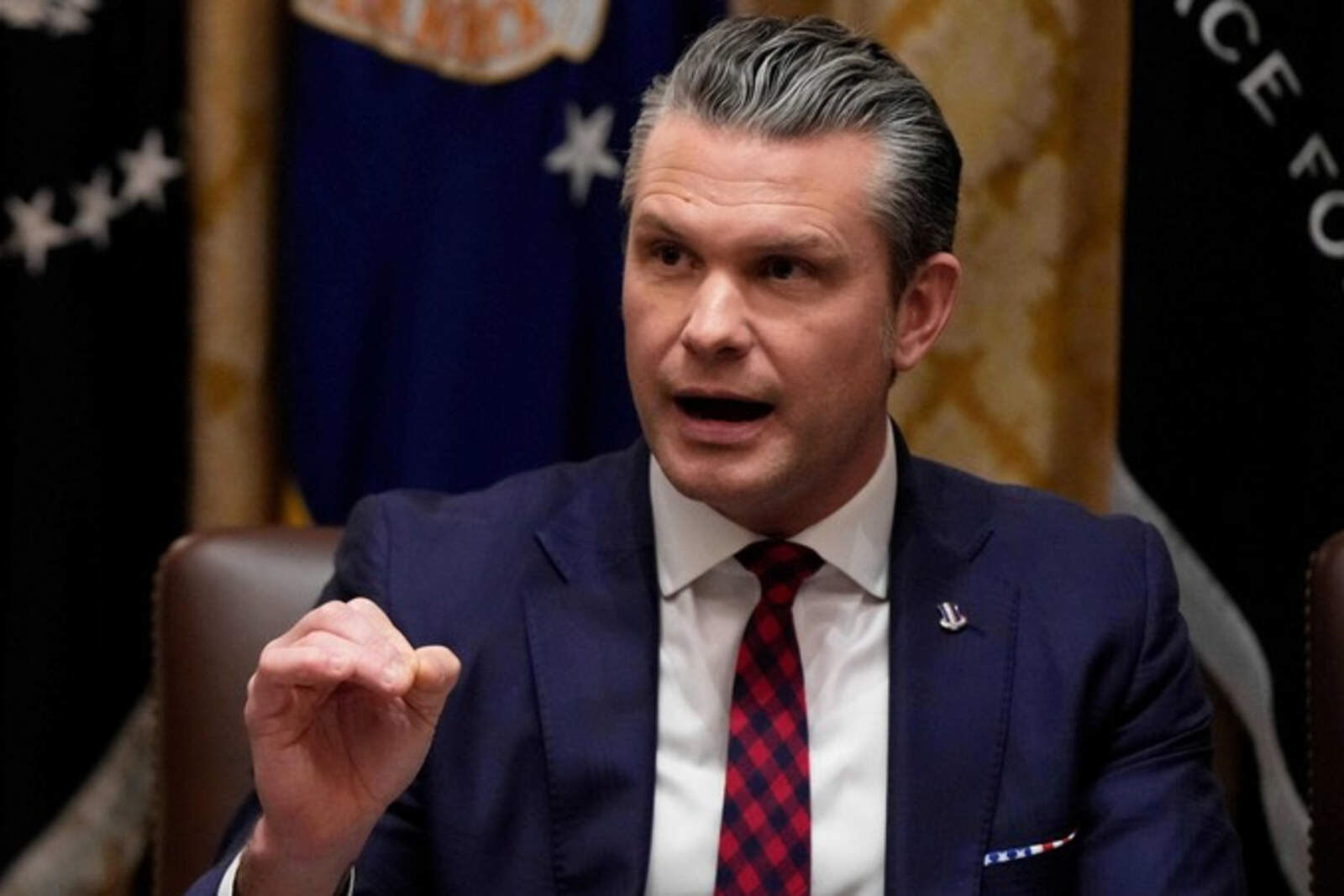
According to sources cited by Reuters, military, financial, and judicial pressure is leaving Maduro with no alternatives but to negotiate a safe exit. The agency revealed that the dictator held a brief phone conversation with Trump on November 21, in which he requested total amnesty, the lifting of sanctions, halting judicial proceedings, and allowing an interim government headed by Delcy Rodríguez. Most of those requests were rejected. The one-week deadline that Washington offered him to leave the country has already expired, which led to the total closure of the airspace. Pete Hegseth, secretario de Defensa.
Meanwhile, in the United States, controversies arose over media reports suggesting questionable orders during attacks on criminal vessels. Secretary of Defense Pete Hegseth denied any irregularities and described the operations as fully legal. Trump backed his official and criticized the press for spreading "baseless" information.
In Caracas, the regime replied with the typical slogans of Chavismo: it denounced an alleged attempt to "change the regime to control Venezuelan oil." This Monday, pro-government demonstrations were organized in defense of "sovereignty." However, the region is closely watching what already seems irreversible: the absolute hardening of the U.S. stance against a narco-state with its days numbered.