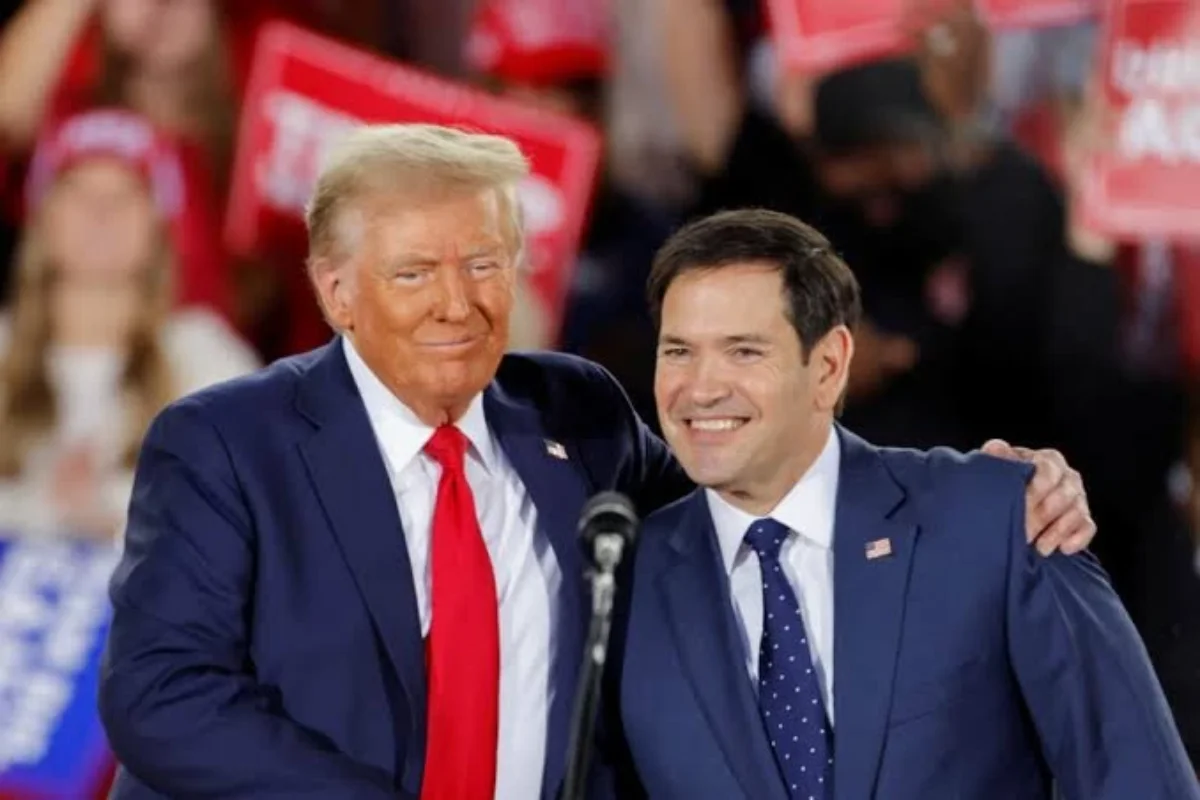
Secretary of State Marco Rubiostated that these measures are part of a strategy aimed at weakening the funding sources of the structures responsible for sustaining the Cuban political and security apparatus. Washington believes that GAESA continues to play a central role in controlling broad sectors of the national economy and sustaining the regime.
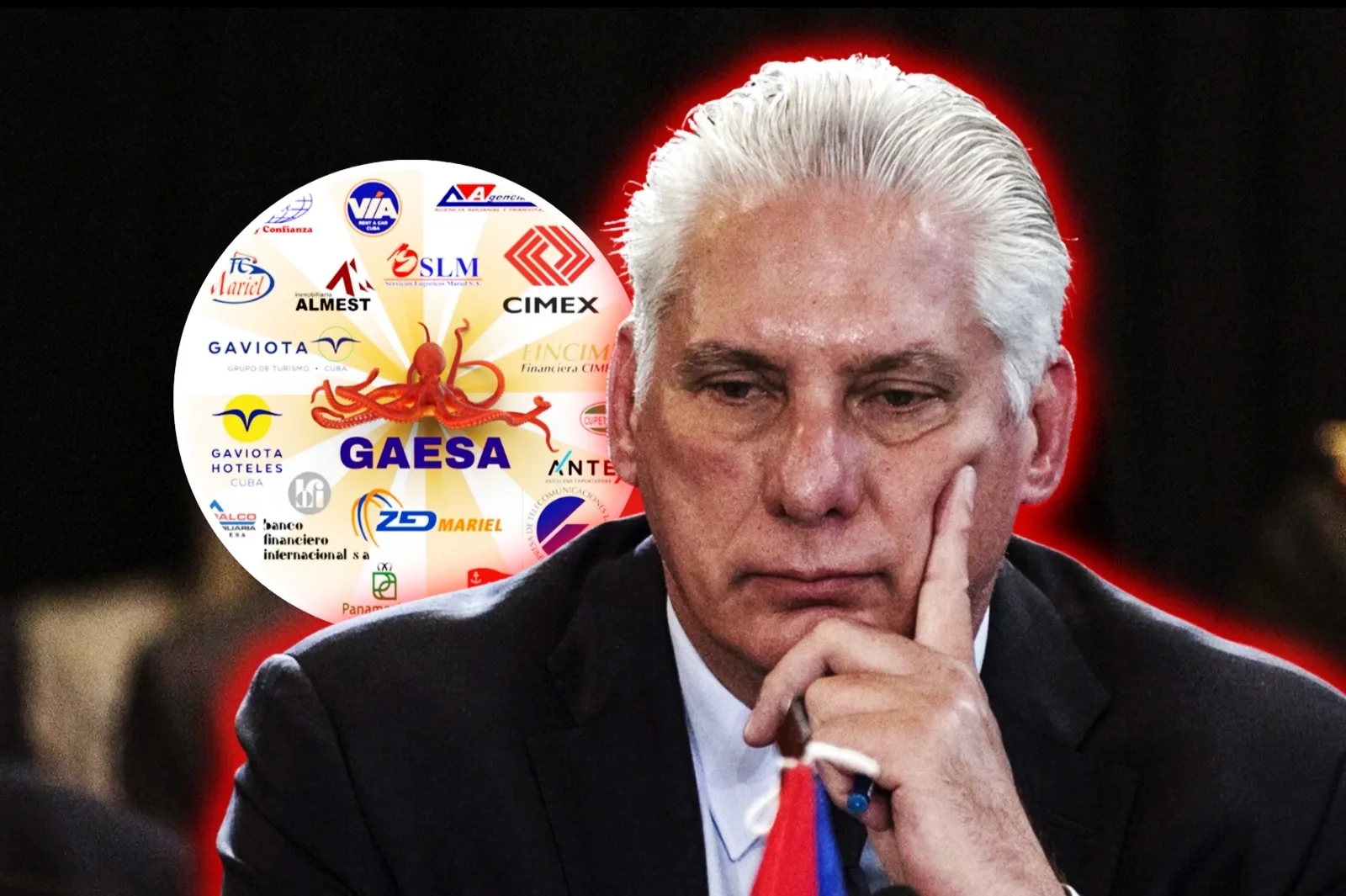
The administration of Donald Trump announced a new round of sanctions against entities linked to the economic and military apparatus of Cuba, in a measure aimed at increasing pressure on the state conglomerate GAESA, considered by Washington as one of the main financial pillars of the Díaz-Canel regime.
Among the entities added to the sanctions list are the Banco Financiero Internacional (BFI), one of the main financial institutions on the island; Almacenes Universales S.A.
Other conglomerates include the logistics company linked to GAESA; Geominera S.A., dedicated to the exploitation of mineral resources; the José Martí Steel Company (Antillana de Acero), the country's main steel industry; and Rafin S.A., a financial firm used for investments and business operations.
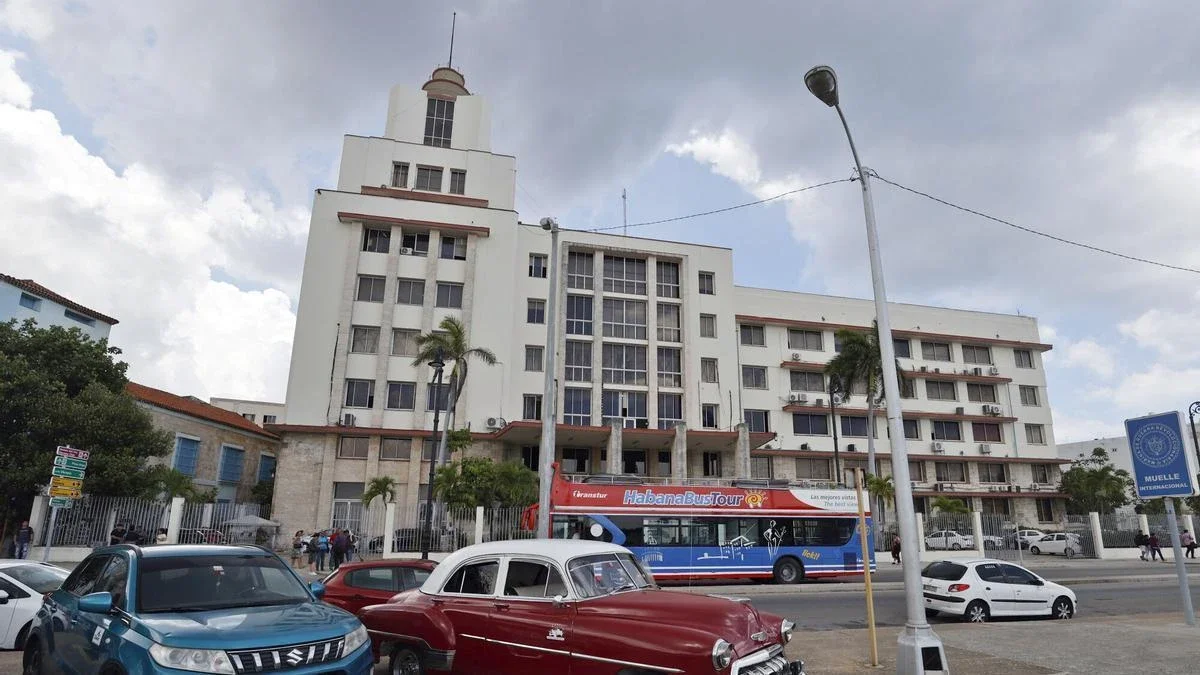
The headquarters of GAESA in Cuba
Additionally, the Office of Foreign Assets Control (OFAC) sanctioned Annalie Lilliam Rueda Cardero, identified by U.S. authorities as a person linked to Alejandro Castro Espín, son of former ruler Raúl Castro and one of the most influential figures within the security structure of the Miguel Díaz-Canel regime.
The sanctions involve blocking assets under U.S. jurisdiction and prohibit U.S. citizens and companies from conducting transactions with the affected entities. Furthermore, the Trump administration has warned that foreign companies and international financial entities could face secondary sanctions if they maintain business relations with organizations linked to GAESA, MININT, or MINFAR.
Donald Trump alongside Secretary of State Marco Rubio
This new offensive adds to a series of measures adopted in recent weeks against Cuban state-owned companies, including strategic sectors such as mining, energy, and finance. For Washington, the goal is to increase the economic cost for the structures that support the regime and limit their access to international financing.
The decision represents one of the most significant blows against the business network linked to the Cuban Armed Forces since the start of the new sanctions policy promoted by the White House in 2026.