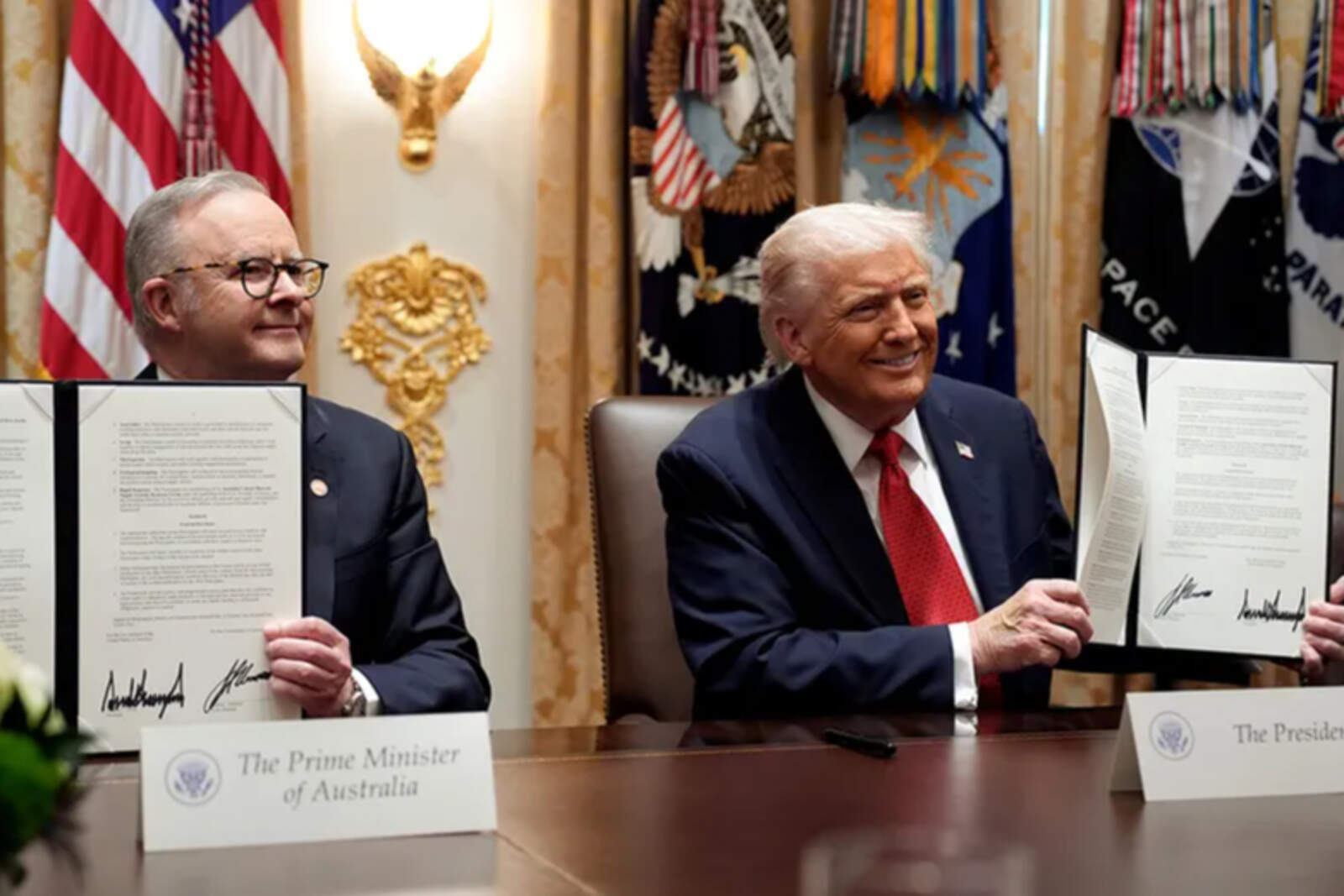
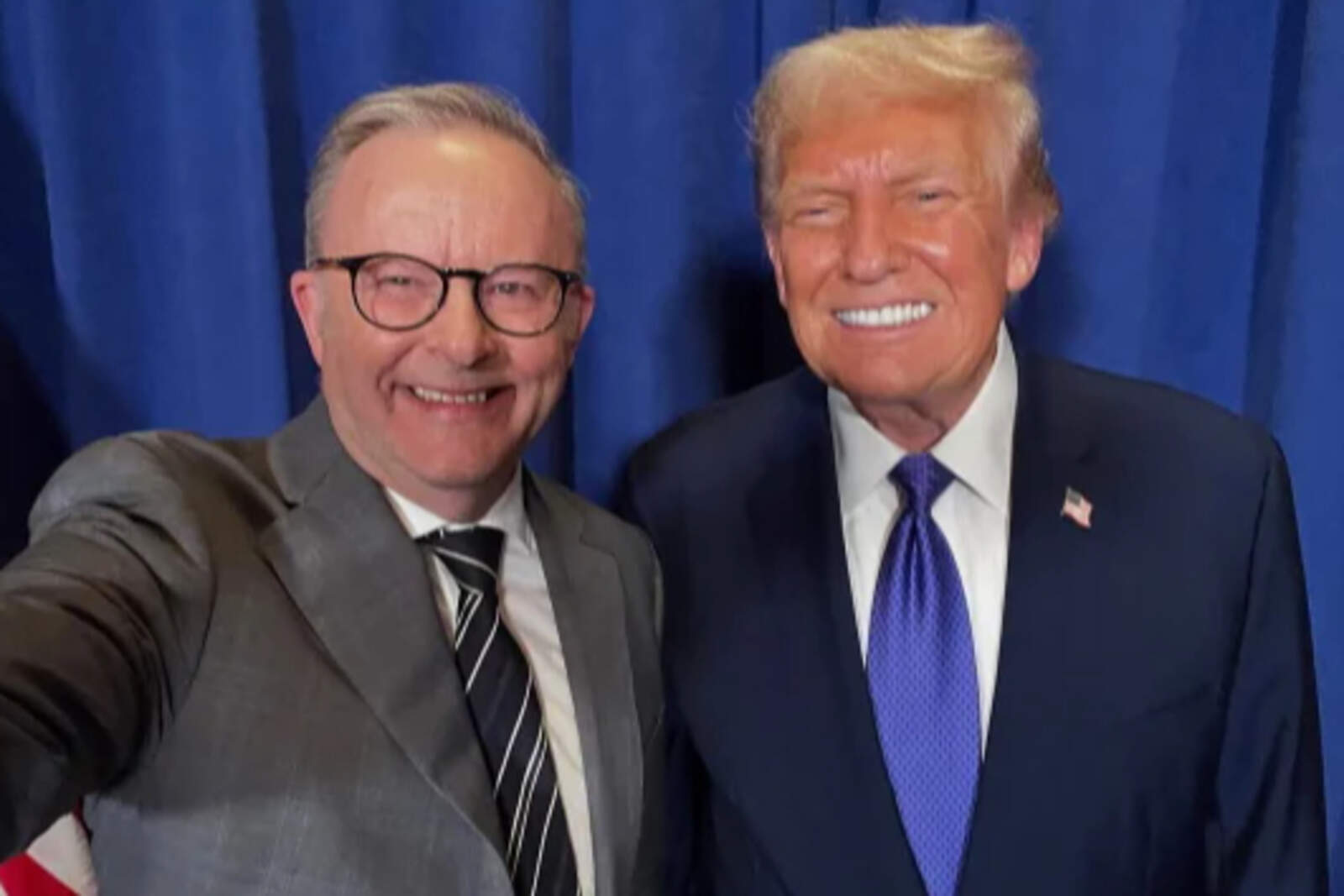
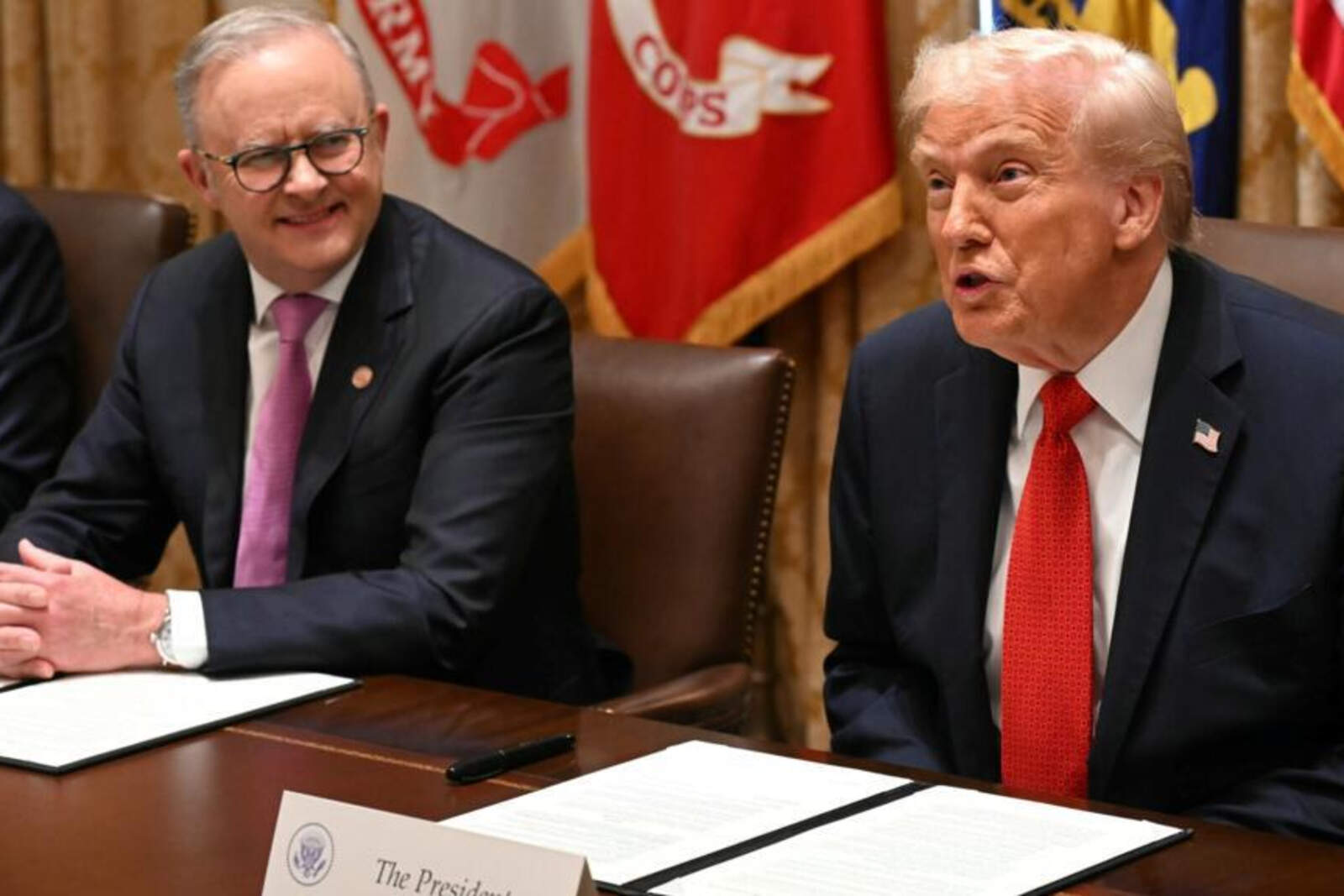
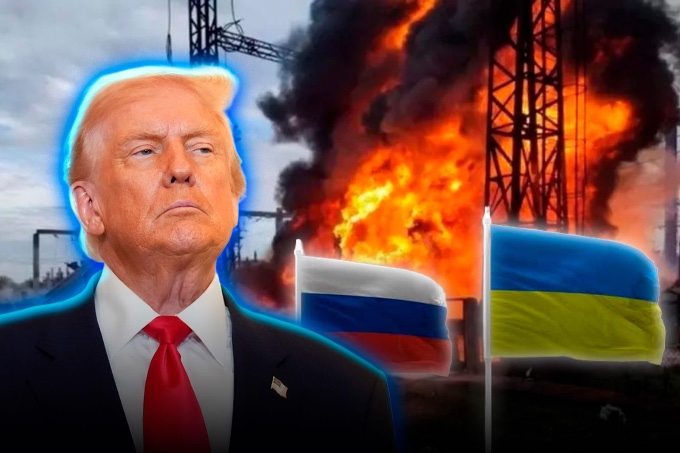
The President of the United States, Donald Trump, signed on Monday an agreement on critical minerals and rare earths with the Australian Prime Minister, Anthony Albanese, in a move that strengthens the Western axis and confronts the Chinese threat.
According to the White House, under the agreement, the governments of the United States and Australia will invest more than $3 billion in critical minerals projects over the next six months. The deal will be extended with the U.S. Department of Defense investing in the construction of an advanced gallium refinery located in the western part of the oceanic country.
Australia, meanwhile, will invest in defense to strengthen both the U.S. and its own territory. The Western ally will purchase Anduril unmanned underwater vehicles valued at $1 billion, as well as Apache helicopters for $2.6 billion.
"We're going to sign an agreement that has been negotiated over a period of four or five months," Trump explained during the signing of the deal at the White House. "We finalized it just in time for the visit. We're working closely together on rare earths, critical minerals, and many other things. We've had a very good relationship. We've been working on this for some time."
Trump cerró un acuerdo de minerales estratégicos con Australia que refuerza el eje occidental
The Republican also added that Australia "pays one of the lowest tariffs" to bring its products into the U.S. market and, since the country located in Oceania is one of the most historically reliable allies, the United States will soon sell it nuclear submarines to strengthen its defense policy.
At another point in the meeting, which was attended by the highest-ranking officials from each government, a journalist asked Trump about the criticism that the Australian ambassador Kevin Rudd had directed at the New York magnate in the past, in which he called him "a traitor to the West" and "the most destructive president in history."
"I don't know anything about him," the president replied to the journalist. "If he said bad things, then maybe he'd like to apologize." "I really don't know, did an ambassador say something?" he asked jokingly, looking at Albanese, prompting laughter in the room. "Don't tell me, I don't want to know. Where is he? Does he still work for you?"
Trump cerró un acuerdo de minerales estratégicos con Australia que refuerza el eje occidental
When the prime minister pointed to the other side of the table, where Rudd was sitting across from Trump, the president looked at him and asked: "Did you say bad things?" "Before taking this position, Mr. President," Rudd replied. "I don't like you either," Trump told him. "And I'll probably never like you," he concluded.