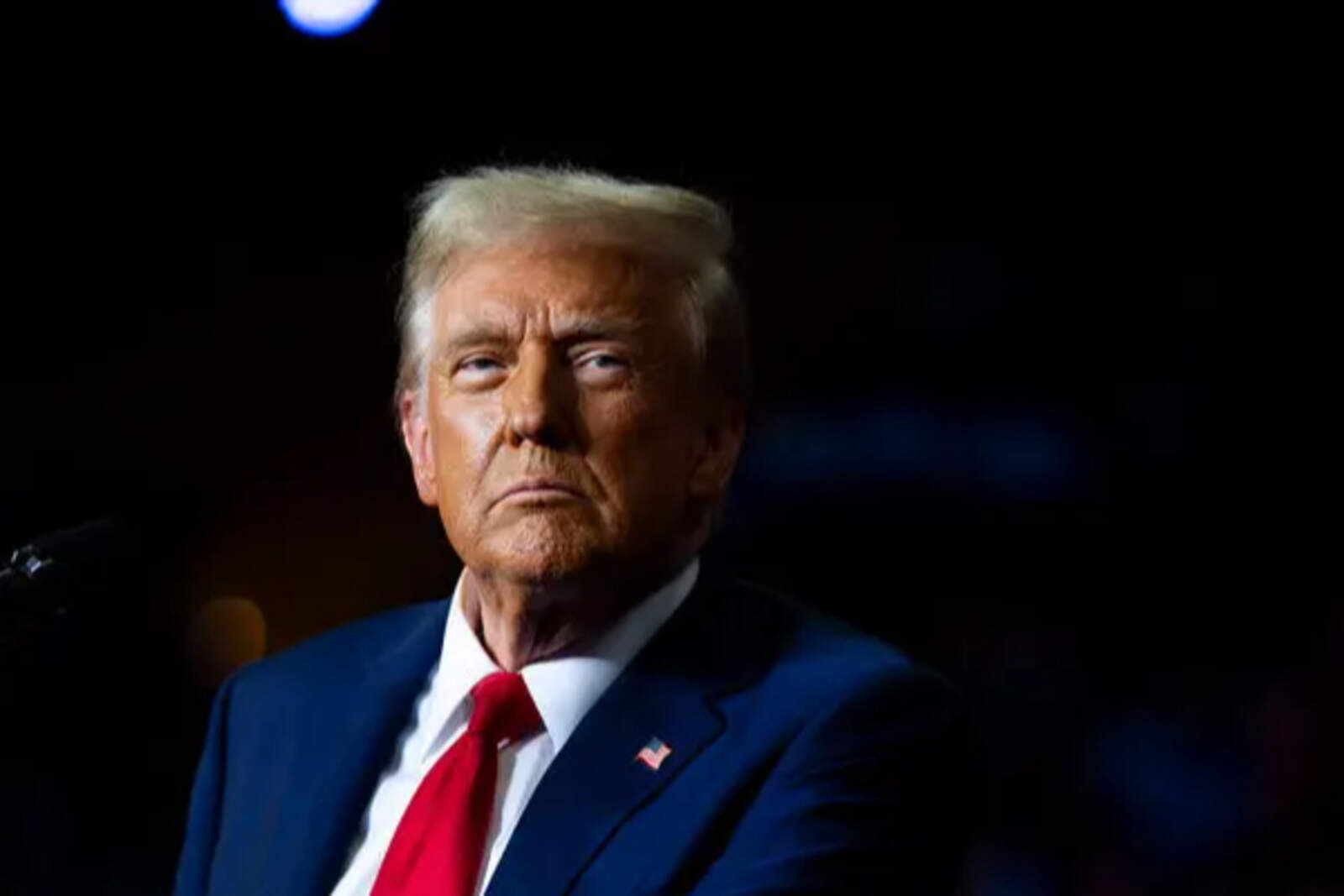

In an unprecedented strategic move, President Donald Trump's administration simultaneously activated two initiatives that are reshaping the course of the continent: a vast military operation to dismantle narcoterrorism in Latin America and a preferential trade network signed with Argentina, Ecuador, and El Salvador. Both actions consolidate a hemispheric axis of cooperation aimed at restoring security, prosperity, and Western leadership in the region, aligning governments such as those of Javier Milei, Nayib Bukele, and Daniel Noboa.
The United States Department of War announced the launch of "Operation Southern Spear," a mission carried out by Southern Command (SOUTHCOM) and the Joint Task Force Southern Spear. Secretary of War Pete Hegseth explained that the operation directly responds to Trump's orders and constitutes a decisive step to eradicate drug trafficking and narcoterrorism networks in the hemisphere.
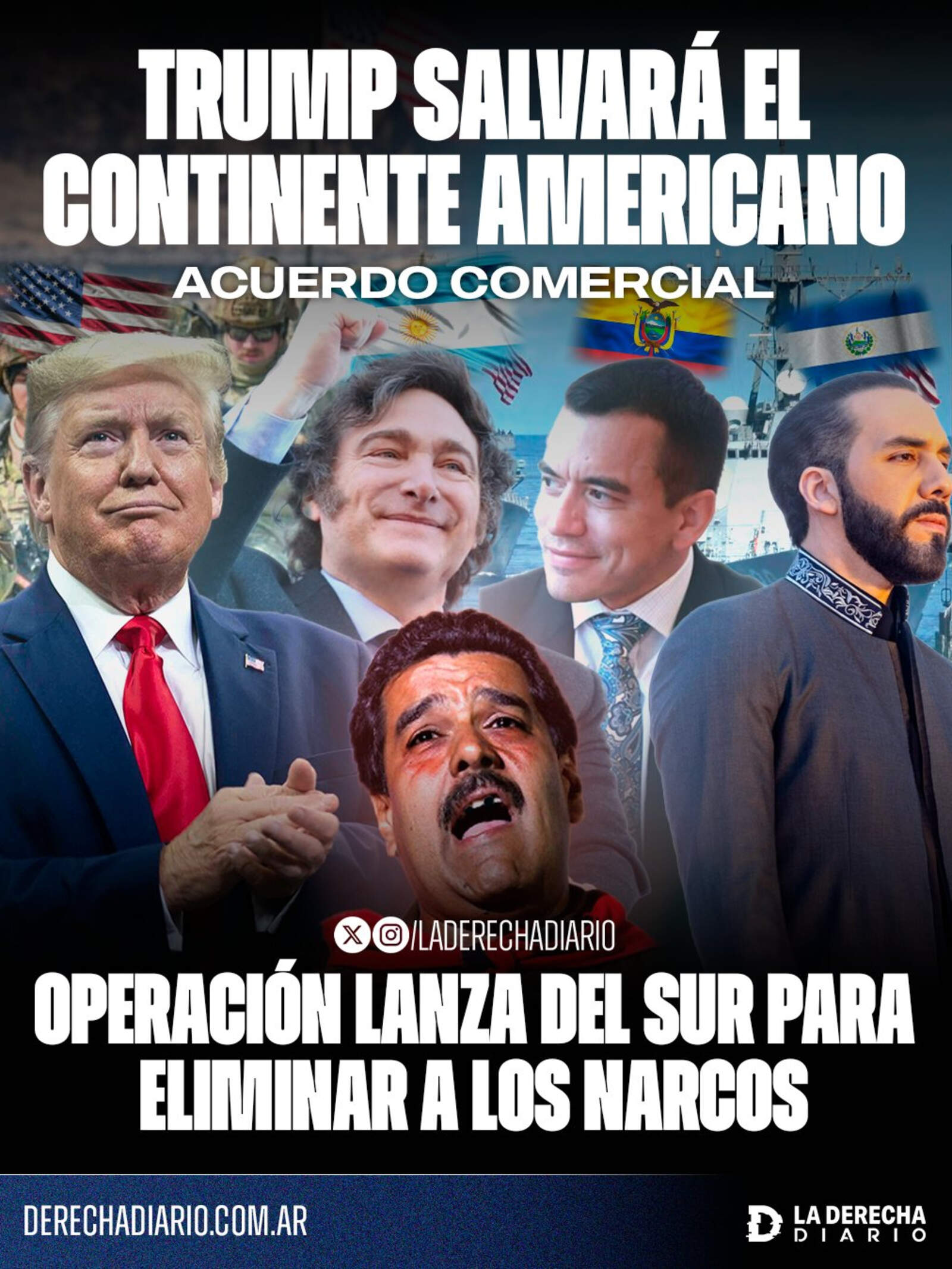
In a message broadcast on X, Hegseth stated: "This mission defends our homeland, expels narcoterrorists from our hemisphere, and protects our people from the drugs that are killing our population."
The deployment includes the arrival in the Caribbean of the USS Gerald R. Ford, the most advanced aircraft carrier in the U.S. Navy and a symbol of American military power. Its presence constitutes the largest demonstration of U.S. force in the region in decades, part of a broader campaign aimed at disrupting maritime drug trafficking routes and pressuring governments that collaborate with criminal organizations, such as the dictatorship of Nicolás Maduro in Venezuela.
The initiative is complemented by military exercises near the Venezuelan coast, intelligence missions inside the country, and actions against suspicious vessels in the Caribbean and eastern Pacific. According to official figures, these operations have neutralized key individuals and destroyed strategic infrastructure used by the cartels.
Secretary of State Marco Rubio, after his participation in the G7 in Canada, reiterated that the priority is to stop the flow of drugs into the United States through direct combat against "organized narcoterrorists", emphasizing that all measures respond to explicit directives from President Trump.
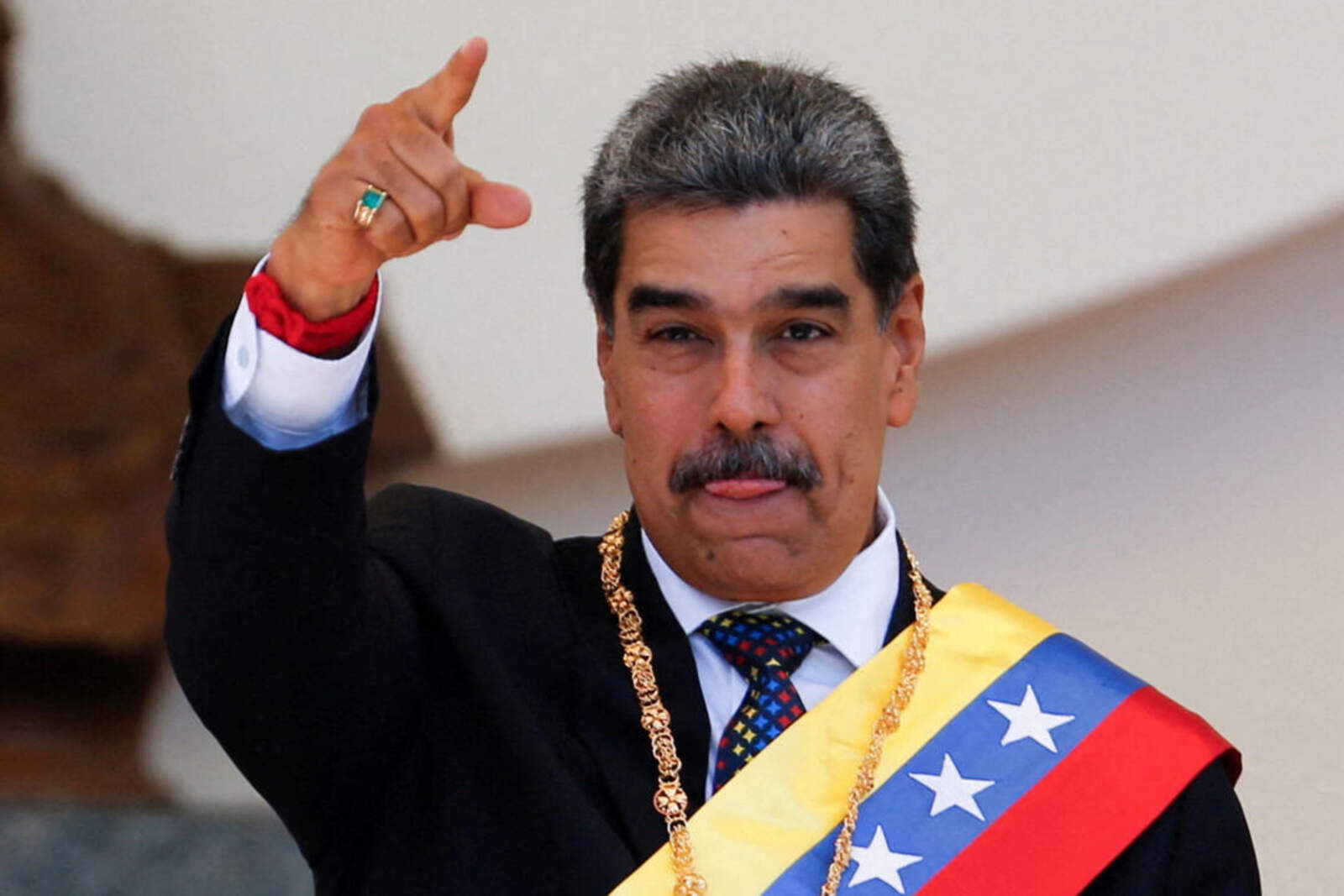
The Venezuelan dictatorship replied by announcing a "mass mobilization" of troops in military exercises that included naval, air, land, and missile systems. Defense Minister Vladimir Padrino López justified the maneuver as a response to alleged "imperialist threats."
In Colombia, Gustavo Petro—recently sanctioned by Washington for tolerating drug trafficking activities—initially suspended intelligence sharing with the United States, although he later conditioned cooperation on guarantees regarding human rights.
In Mexico, communist President Claudia Sheinbaum ordered operations by the Secretary of the Navy to intercept suspicious vessels in international waters, after negotiating an agreement aimed at avoiding incidents with U.S. forces.
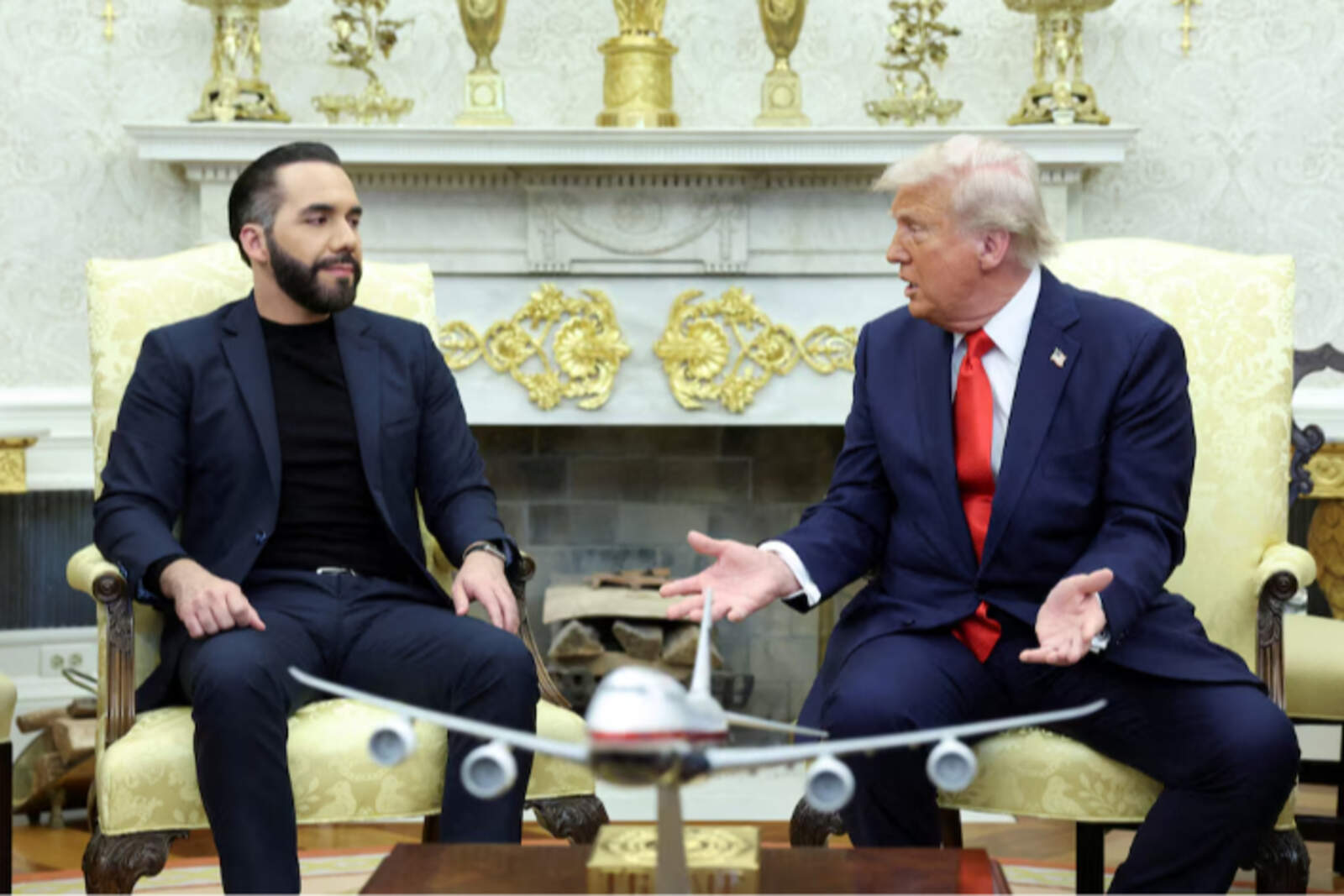
Meanwhile, as the anti-drug operation advances, the White House also announced the signing of three free trade agreements with Argentina, Ecuador, and El Salvador, consolidating an economic cooperation bloc aligned with the hemisphere's pro-market democracies.
According to the official statement, the agreements seek to transform the widespread tariffs imposed months ago and move toward a "more balanced and reciprocal" exchange system.
Key products for U.S. consumers—such as bananas, coffee, and cocoa—could see price reductions, strengthening the purchasing power of the middle class. In return, the Latin American countries will open strategic sectors to U.S. exports, integrating more deeply with the North American economy.
A senior Trump administration official stated that these agreements "will help stabilize the prices of basic products and reduce the U.S. trade deficit in the long term," marking a structural realignment of the economic relationship with the region.
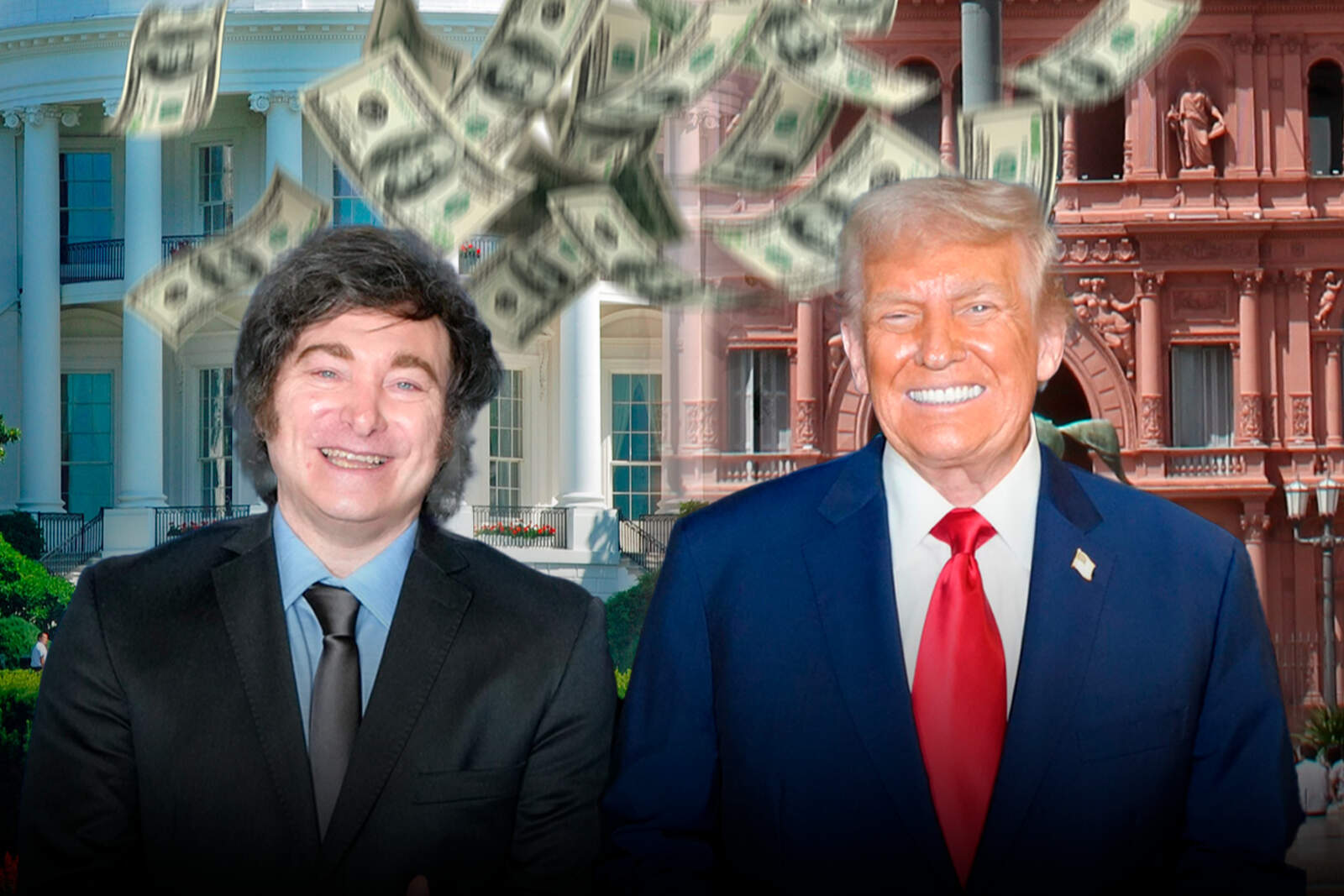
Washington's allied countries are emerging as the main winners of the new scheme: