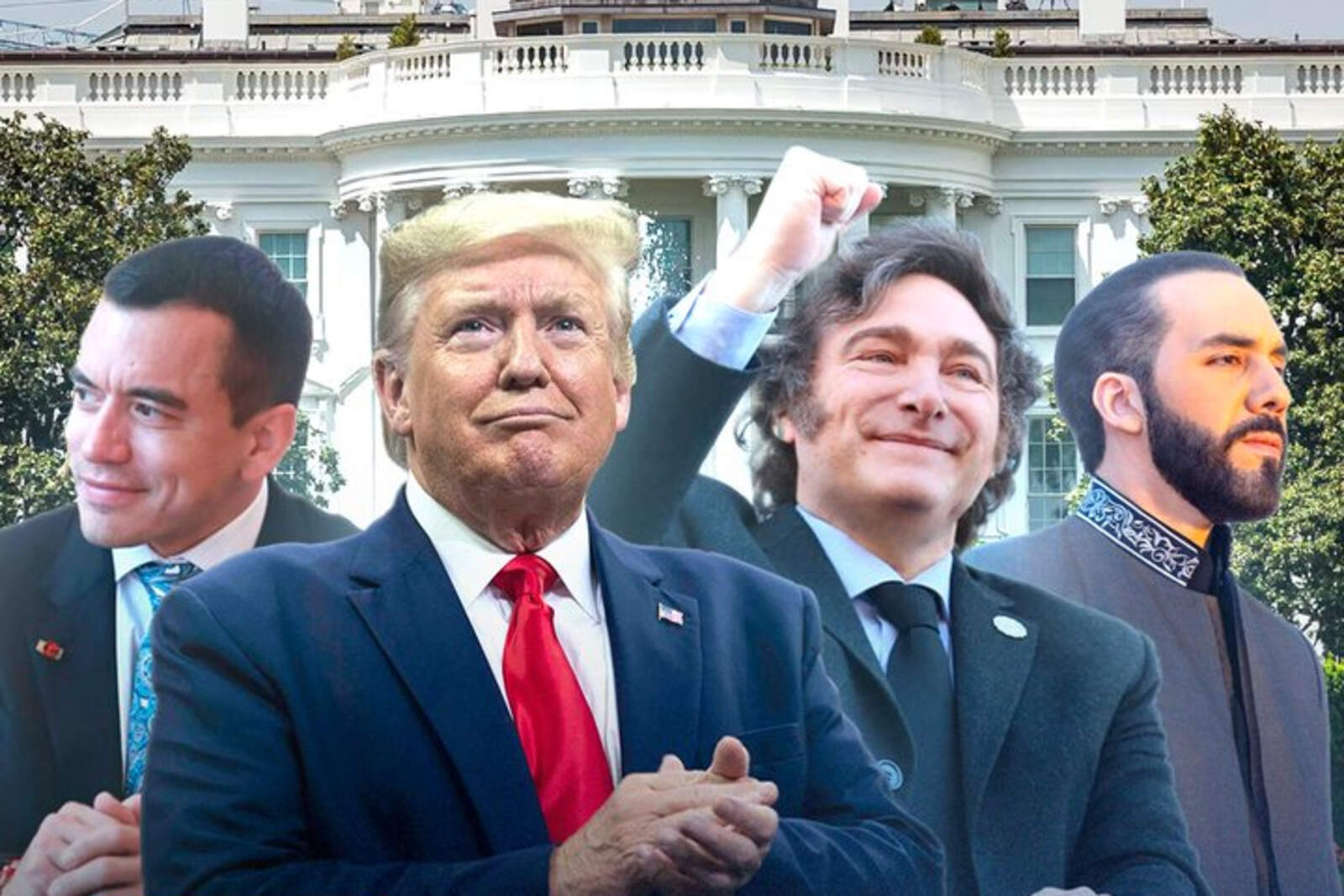
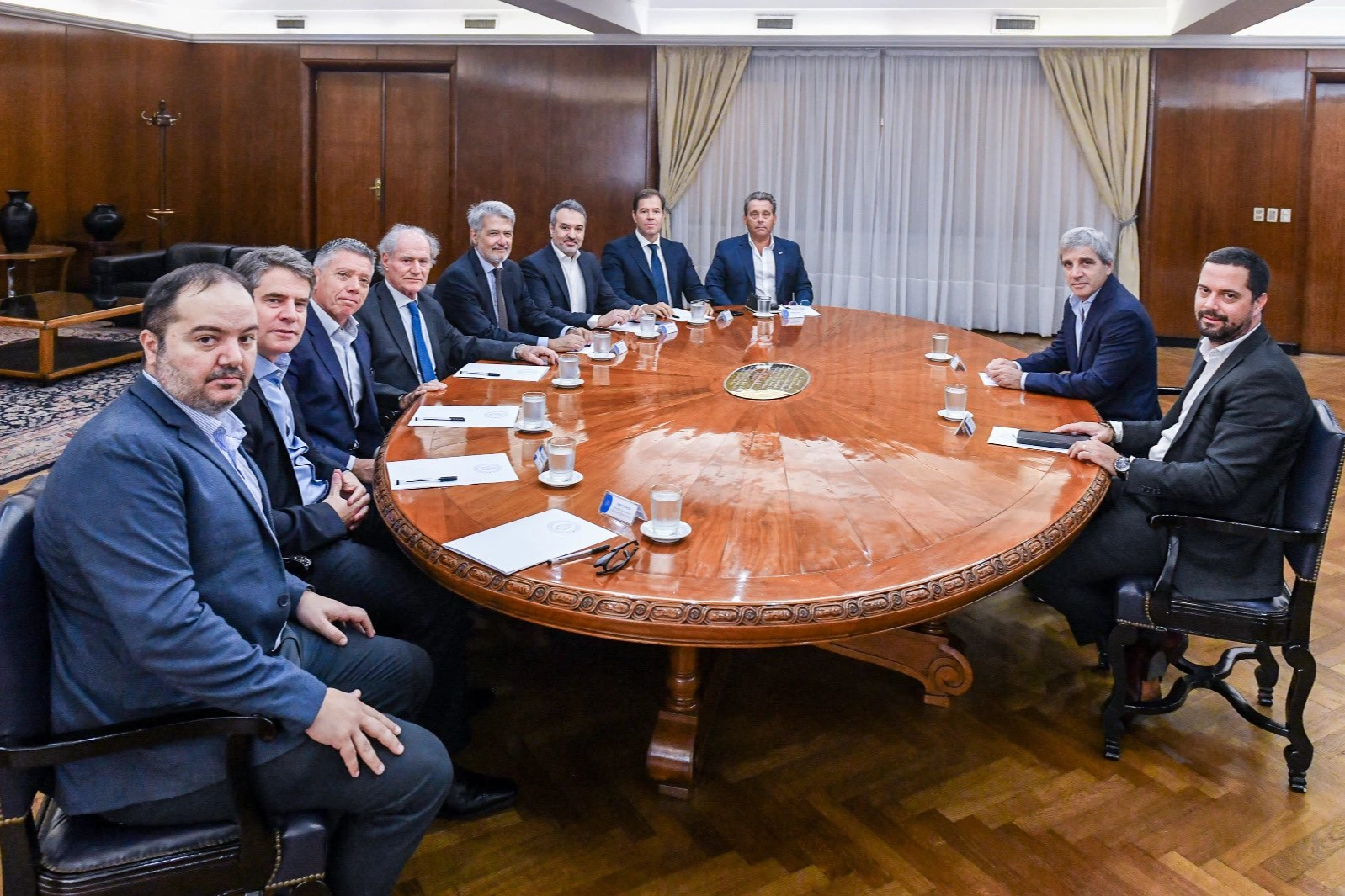
The United States announced the signing of trade agreements with Argentina, Ecuador, and El Salvador, consolidating a cooperation bloc led by Trump, Milei, Noboa, and Bukele
Compartir:
In a clear sign of the regional shift toward pro-market and anti-statist governments, the White House confirmed on Thursday a series of trade agreements with Argentina, Ecuador, and El Salvador. The strategy—driven by Donald Trump's administration—seeks to modify the generalized tariffs imposed months ago and move toward a "more balanced and reciprocal" trade framework, according to the official statement.
The agreements include key products for American consumers—such as bananas, coffee, and cocoa—that could see price reductions in a context where Trump seeks to strengthen the purchasing power of middle-class families affected by the cost of living. In return, the Latin American countries will open strategic sectors to U.S. exports, deepening their integration with the North American economy.
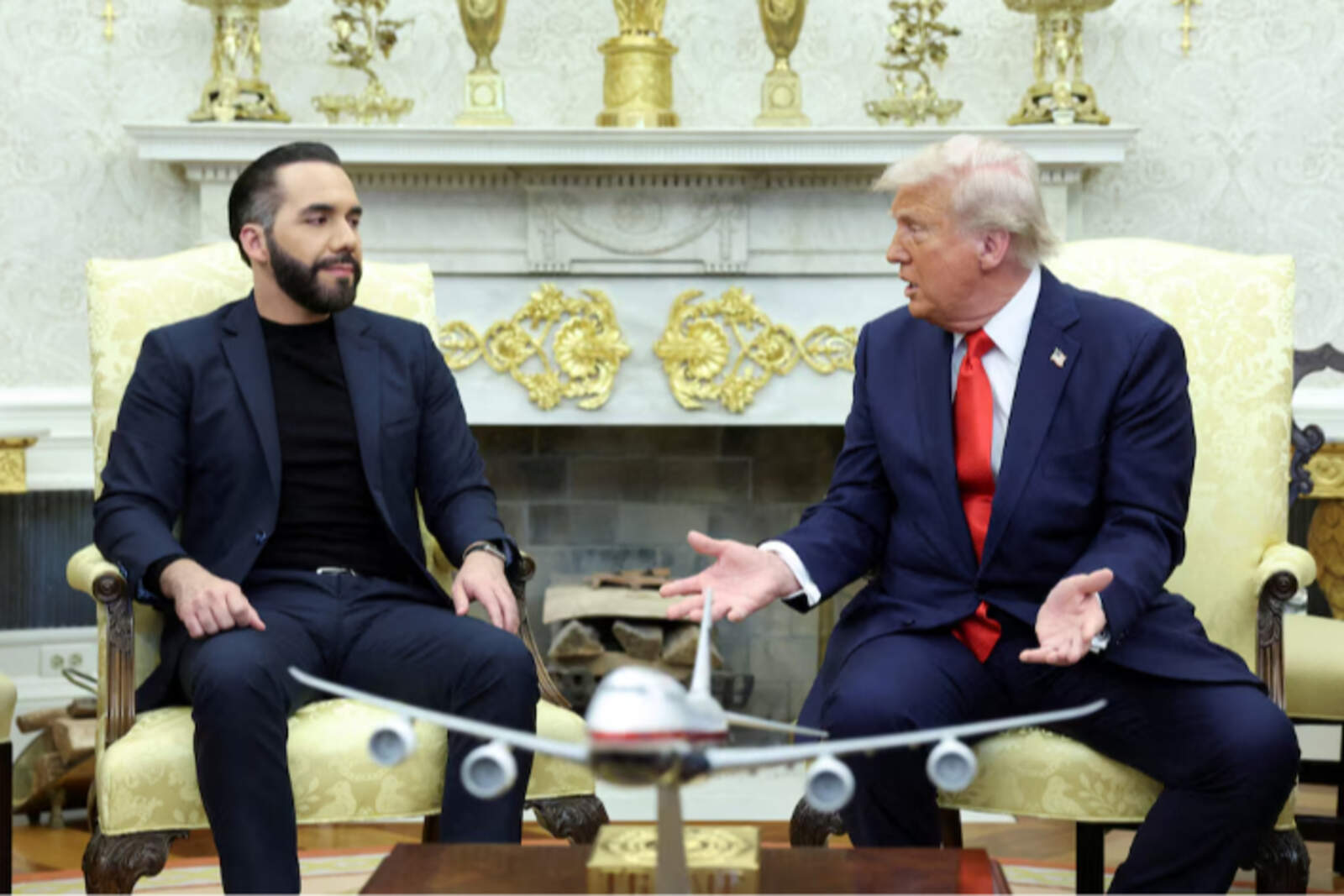
Donald Trump y Nayib Bukele.
A senior official in Trump's administration stated that the agreements "will help stabilize the prices of basic goods and reduce the United States' trade deficit in the long term," marking a structural realignment of the economic relationship with the region.
The political reading was immediate: these moves strengthen leaders aligned with Washington's agenda. Both Javier Milei in Argentina and Nayib Bukele in El Salvador—two of Trump's main allies in Latin America—are especially benefited by the tariff relief framework.
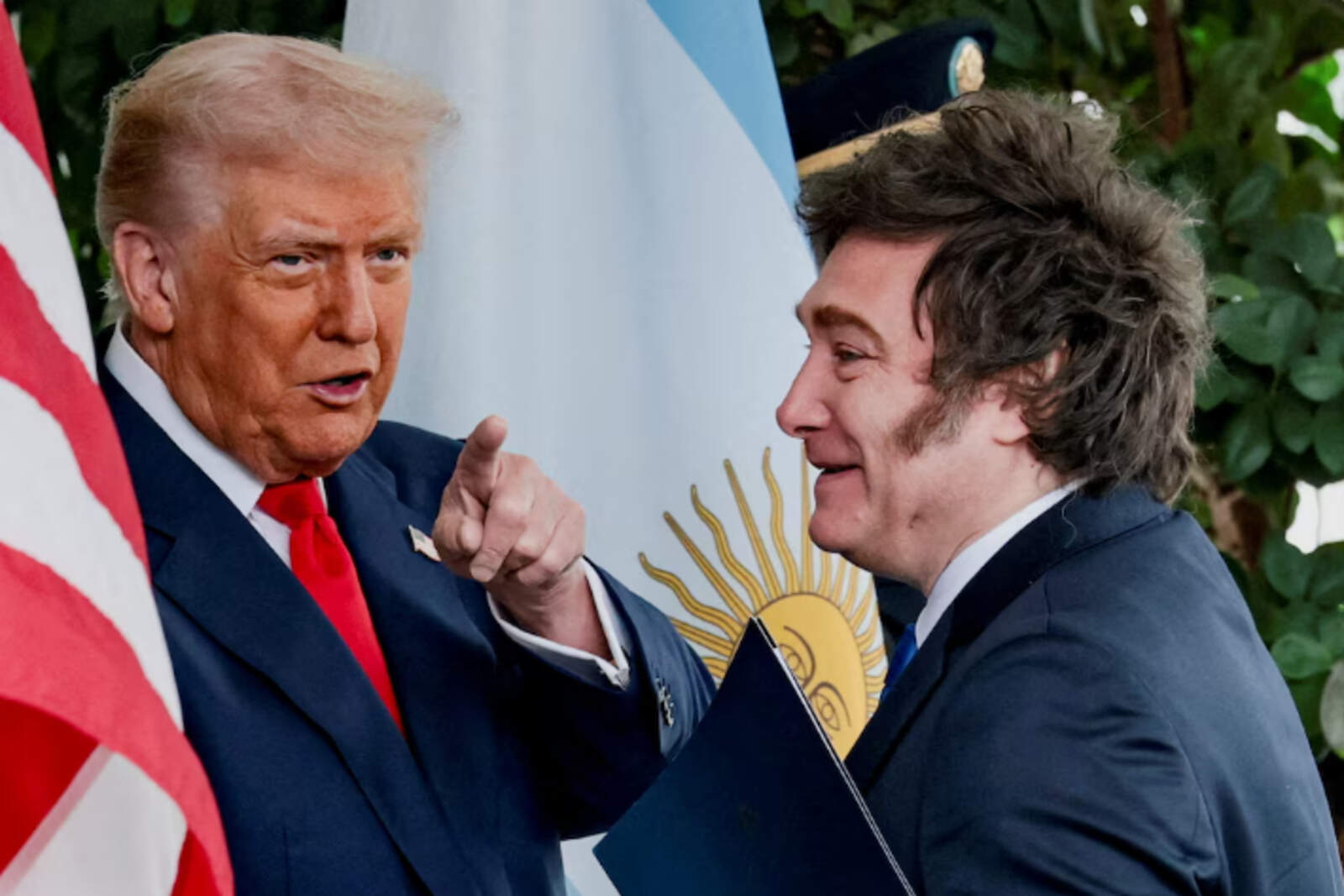
Donald Trump y Javier Milei.
El Salvador
The document released by Bukele details that the United States will eliminate reciprocal tariffs for Salvadoran exports that can't be produced in U.S. territory in sufficient quantities. In return, El Salvador will facilitate the entry of U.S. pharmaceuticals and medical devices, accept regulatory oversight from Washington, and waive discriminatory taxes on digital services.
Additionally, the country committed to prohibiting the importation of goods produced through forced labor and to maintaining top-tier environmental standards, strengthening its direct alignment with U.S. trade policy.
Ecuador:
Daniel Noboa's government secured the elimination by the United States of tariffs—10% since April and 15% since August—that had weighed on key exports such as bananas and cocoa. In return, Ecuador will reduce barriers in sectors considered priorities by Washington: machinery, health, technology, chemicals, and auto parts.
This adjustment represents a boost in competitiveness for the Ecuadorian economy, reinforcing Noboa's position within the new regional liberal-conservative axis.
Argentina:
The agreement between Javier Milei's administration and the United States includes the elimination of tariffs on certain natural resources and non-patented items for pharmaceutical use. It also highlights a bilateral commitment to improve access conditions in the beef sector, a key point for Argentine agriculture.
The text emphasizes the partial elimination of the 10% tariff applied since April to Argentine imports, which directly benefits the agricultural and pharmaceutical sectors. With this step, Milei consolidates his foreign policy based on economic openness and integration with the West, deepening his strategic synergy with Donald Trump.