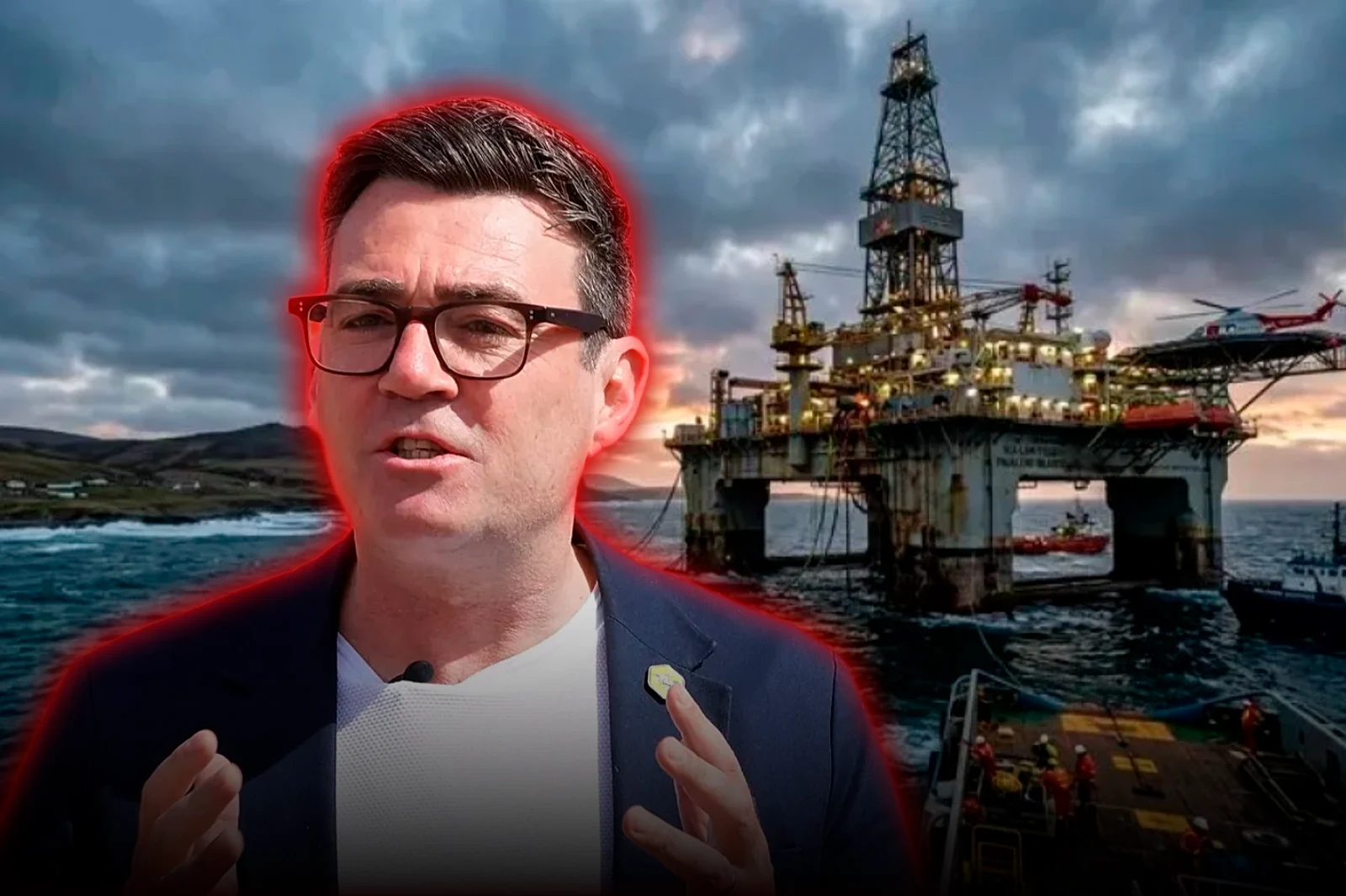
In this context, the national government initiated proceedings on September 8 against 60 individuals and companies and filed a criminal complaint against Navitas Petroleum and its subsidiaries, JHI Associates and Eco Atlantic Oil & Gas.


The British government published an official guide for companies engaged in economic activities in the islands
In this context, the national government initiated proceedings on September 8 against 60 individuals and companies and filed a criminal complaint against Navitas Petroleum and its subsidiaries, JHI Associates and Eco Atlantic Oil & Gas.
LOS PAÍSES SE SALVAN CON HUEVOS: ASÍ INGRESÓ NAWROCKI AL TRIBUNAL CONSTITUCIONAL EN MEDIO DE LA CRISIS POLÍTICA EN POLONIA El presidente derechista Karol Nawrocki se abrió paso en la entrada del edificio mientras Anna Korwin-Piotrowska y Maciej Berek intentaban impedirle el ingreso. El enfrentamiento se produjo en plena disputa institucional con el Gobierno del izquierdista Donald Tusk, tras su intento de golpe de Estado.
2 hours ago

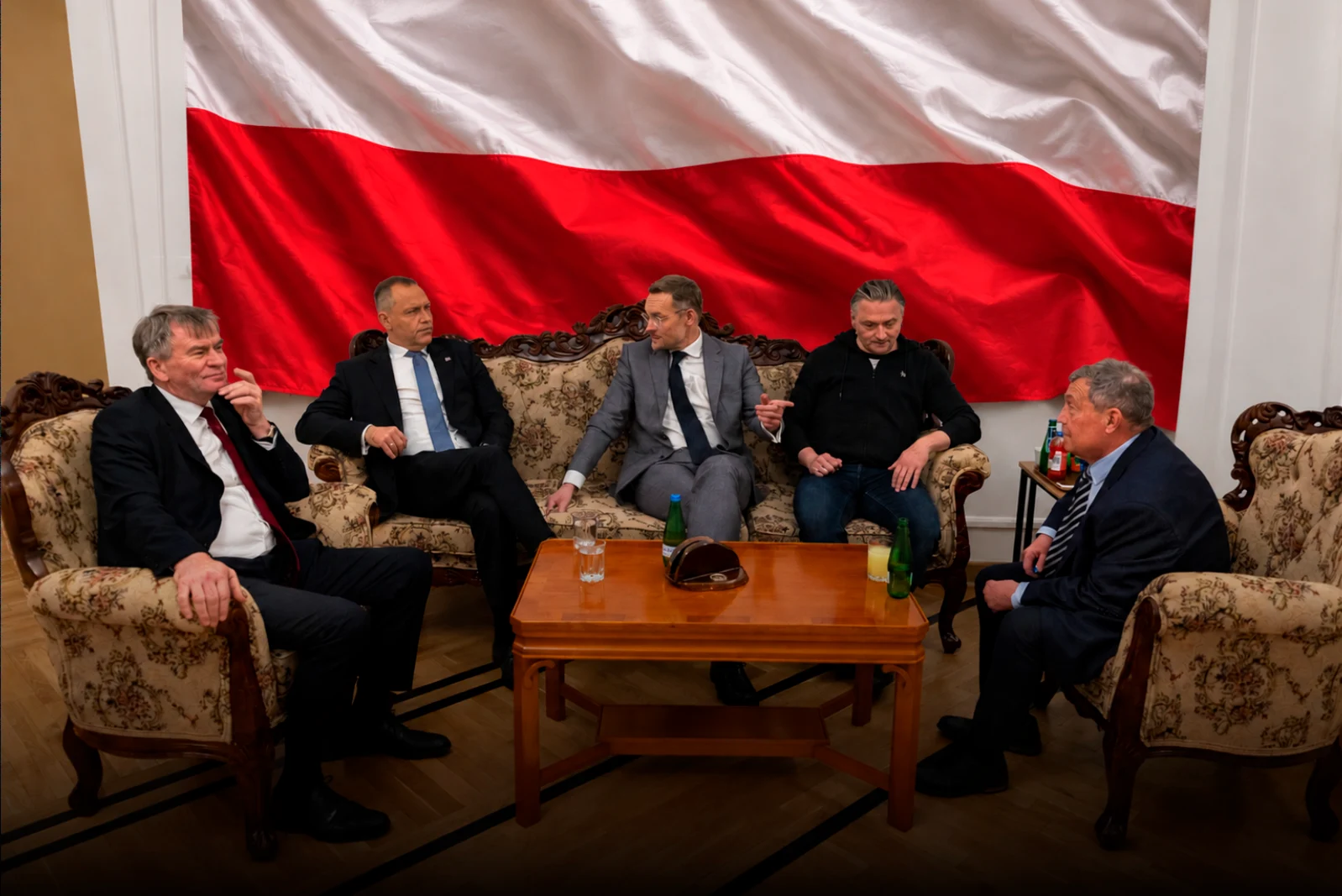
NAWROCKI SE REUNIÓ CON ALTOS CARGOS DEL ESTADO POLACO TRAS EL INTENTO DE GOLPE DE ESTADO DEL ZURDO DONALD TUSK: El presidente derechista Karol Nawrocki encabezó una reunión de urgencia en el Palacio Presidencial tras interrumpir su viaje a Senegal por la crisis del Tribunal Constitucional. Participaron Zbigniew Kapiński, primer presidente del Tribunal Supremo; Zbigniew Bogucki, jefe de la Cancillería Presidencial; Bartosz Grodecki, jefe de la Oficina de Seguridad Nacional; y Bartłomiej Sochański, vicepresidente del Tribunal Constitucional.
2 hours ago

![]()
LA SECUENCIA DEL INTENTO DE GOLPE DE ESTADO DEL IZQUIERDISTA DONALD TUSK EN POLONIA: El primer ministro polaco, respaldado por la Unión Europea, intentó intervenir el Tribunal Constitucional y se enfrentó con el presidente derechista del país, Karol Nawrocki. 1. El primer ministro de izquierda, Donald Tusk, intentó nombrar a ocho jueces del Tribunal Constitucional cuando solo podía nombrar a tres. 2. El presidente derechista Karol Nawrocki tomó juramento solo a tres jueces, según dicta la ley. 3. Tusk organizó una jura paralela para los otros cinco, tomándoles juramento él cuando la Constitución dicta que solo el presidente puede hacerlo. 4. Nawrocki salió del país en un viaje programado a Senegal. 5. Uno de los jueces juramentados ilegalmente por Tusk ordenó apartar al presidente del Tribunal, el derechista Bogdan Święczkowski. 6. Tusk ordenó a la Policía bloquear la entrada al Tribunal, impidiéndole ingresar al presidente de la Corte Suprema. 7. Nawrocki interrumpió su viaje y regresó de urgencia a Polonia. 8. En la noche del viernes, se apersonó en la puerta del Tribunal y forcejeó personalmente con los policías para lograr destrabar el ingreso. 9. Una vez adentro del Tribunal, echó a los cinco jueces juramentados ilegalmente por Tusk y le dio acceso a su oficina al presidente de la Corte.
2 hours ago
TIPAZO: EMOTIVO REGRESO DE MILEI A LA UNIVERSIDAD DI TELLA El presidente @JMilei volvió a la institución donde estudió y dedicó sus primeras palabras a agradecer la invitación de los estudiantes, recordar sus mejores momentos y reconocer a los docentes que marcaron su trayectoria. “Di Tella es una casa de la que tengo los mejores recuerdos. [...] Tuve profesores extraordinarios y que verdaderamente han marcado mi vida profesional para bien”.
2 hours ago
![]()
EL ZURDO DONALD TUSK ATACÓ A LA DERECHA ANTES DE SU INTENTO DE GOLPE DE ESTADO EN POLONIA El primer ministro acusó a Kaczyński y al derechista presidente Nawrocki de querer sacar al país de la Unión Europea. Apenas un día después, la suspensión de las autoridades del Tribunal Constitucional desató el intento de golpe de Estado, lo que obligó a Nawrocki a regresar de urgencia a Varsovia. “Su sueño es, en realidad, que Polonia salga de la Unión Europea, e incluso que caiga toda la Unión Europea”.
2 hours ago


The government of the United Kingdom responded to the measures promoted by Argentine President Javier Milei regarding the Falkland Islands and published an official guide aimed at supporting companies that engage in illegal economic activities in the archipelago.
The document states that Argentine legislation does not apply in the islands and rejects the notion that Buenos Aires can exercise jurisdiction over the companies operating there.
The publication was made by the Foreign, Commonwealth & Development Office (FCDO) under the title “Doing Business with the Falkland Islands.” There, the British Government asserts: “Argentina does not exercise sovereignty or jurisdiction over the Falkland Islands”.
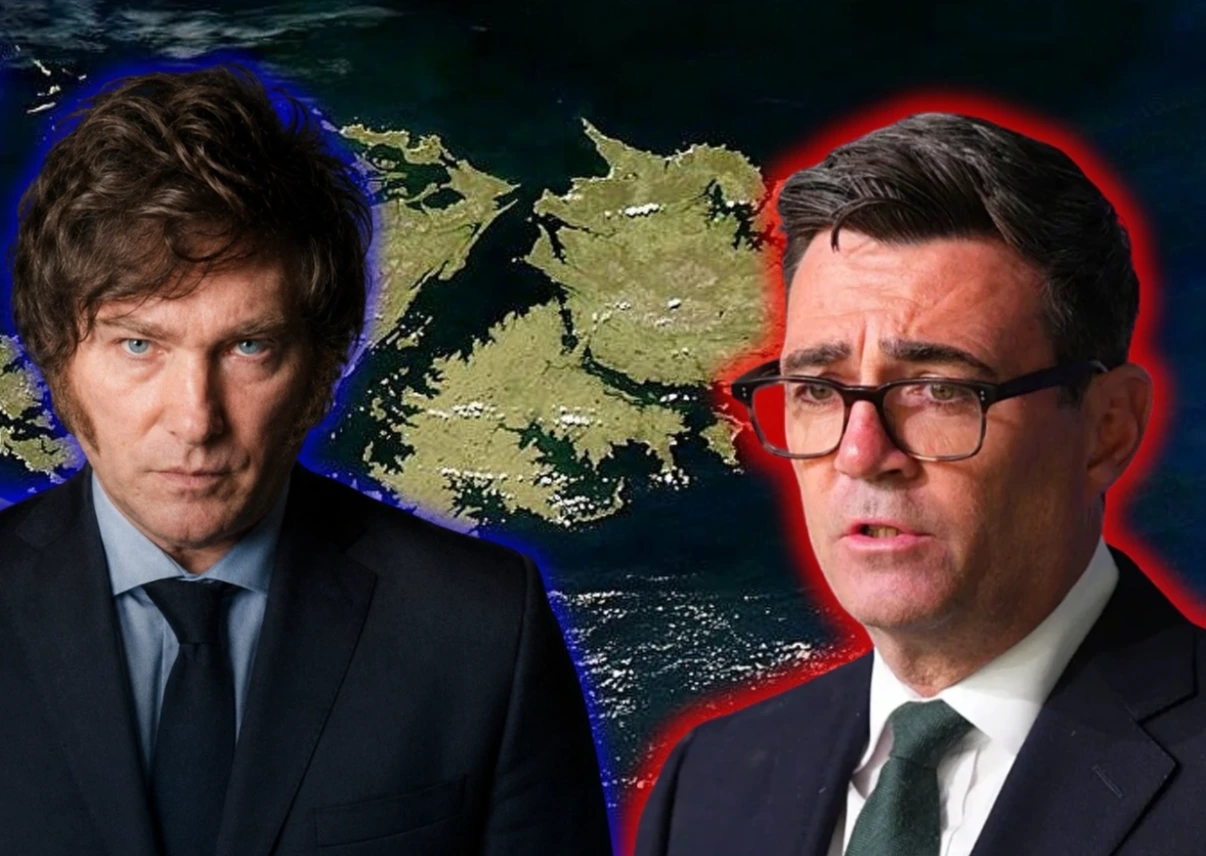
The document also claims that, according to them, there is no legal basis for courts in countries other than Argentina to exercise legitimate jurisdiction over the measures adopted by Buenos Aires against companies linked to activities in the islands.
At the same time, it reminds that sanctions implemented during previous governments remained in effect for years without hindering the growth of the archipelago's economy.
The British decision was announced 11 days after President Milei announced a legislative initiative to tighten sanctions against companies extracting oil in Argentine waters.
The measures are based on Law 26.659, which was later expanded, and Decree 868/2026. The scheme includes sanctions that may involve disqualification from operating in Argentina for periods ranging from five to twenty years.
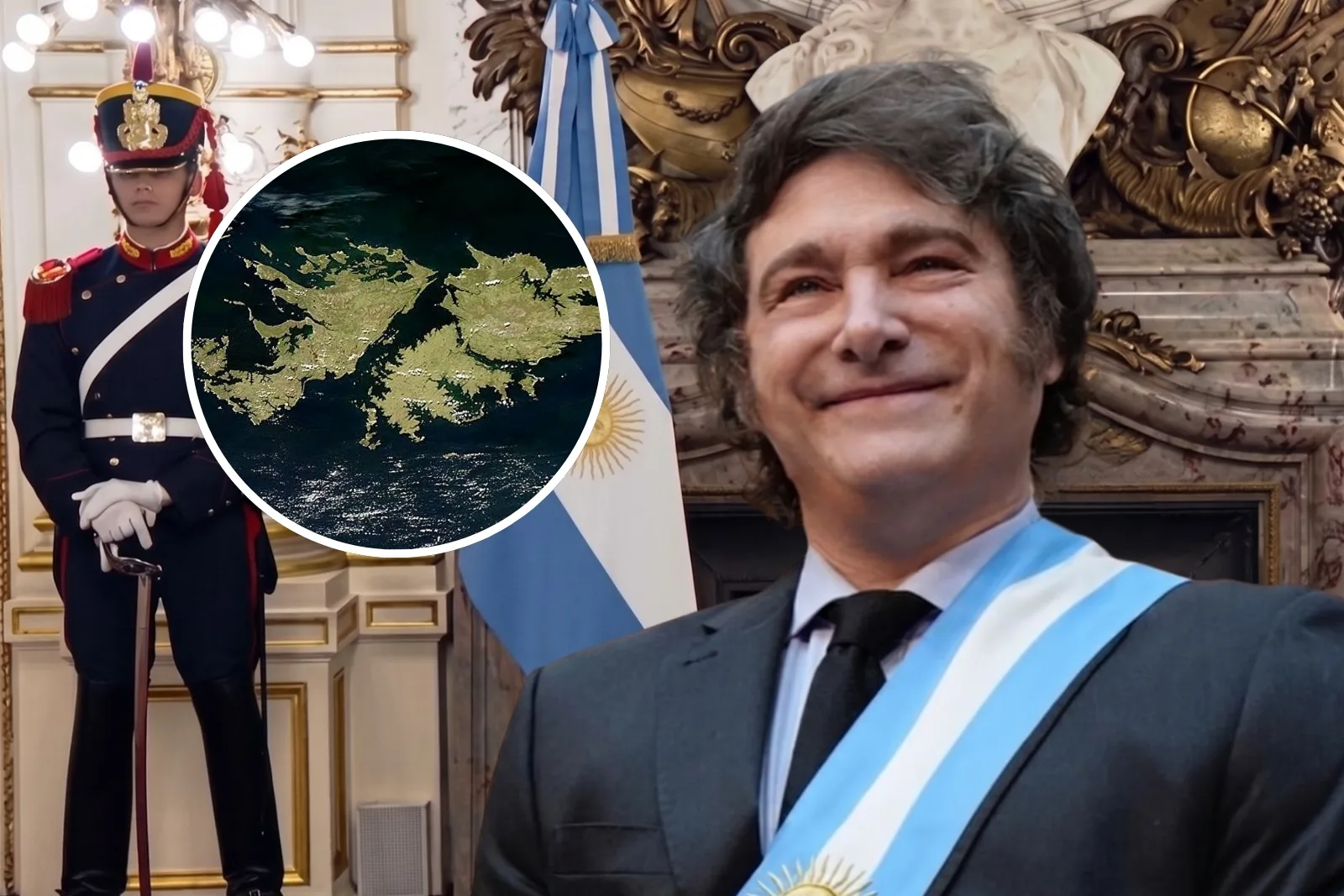
Following Milei's announcements, the three largest oil service companies in the world confirmed that they will not participate in activities in the Falkland Islands, aiming to protect their commercial interests and multimillion-dollar investments within the Argentine continent.
The conflict has one of its main focuses on the oil project Sea Lion, promoted by Rockhopper Exploration and Navitas Petroleum, which plans to begin extraction in 2028 and includes an initial phase of 170 million barrels.
In light of this scenario, London rejects the sanctions and advises companies receiving legal warnings from Argentine authorities to seek independent legal counsel.
The FCDO also offered to intervene directly when a company, subsidiary, or supplier faces pressure in a third country due to its activities in the islands.