According to Reuters, the United States Armed Forces would have carried out the seizure of a second Venezuelan oil tanker
Nuevo
Agregar La Derecha Diario en
Compartir:
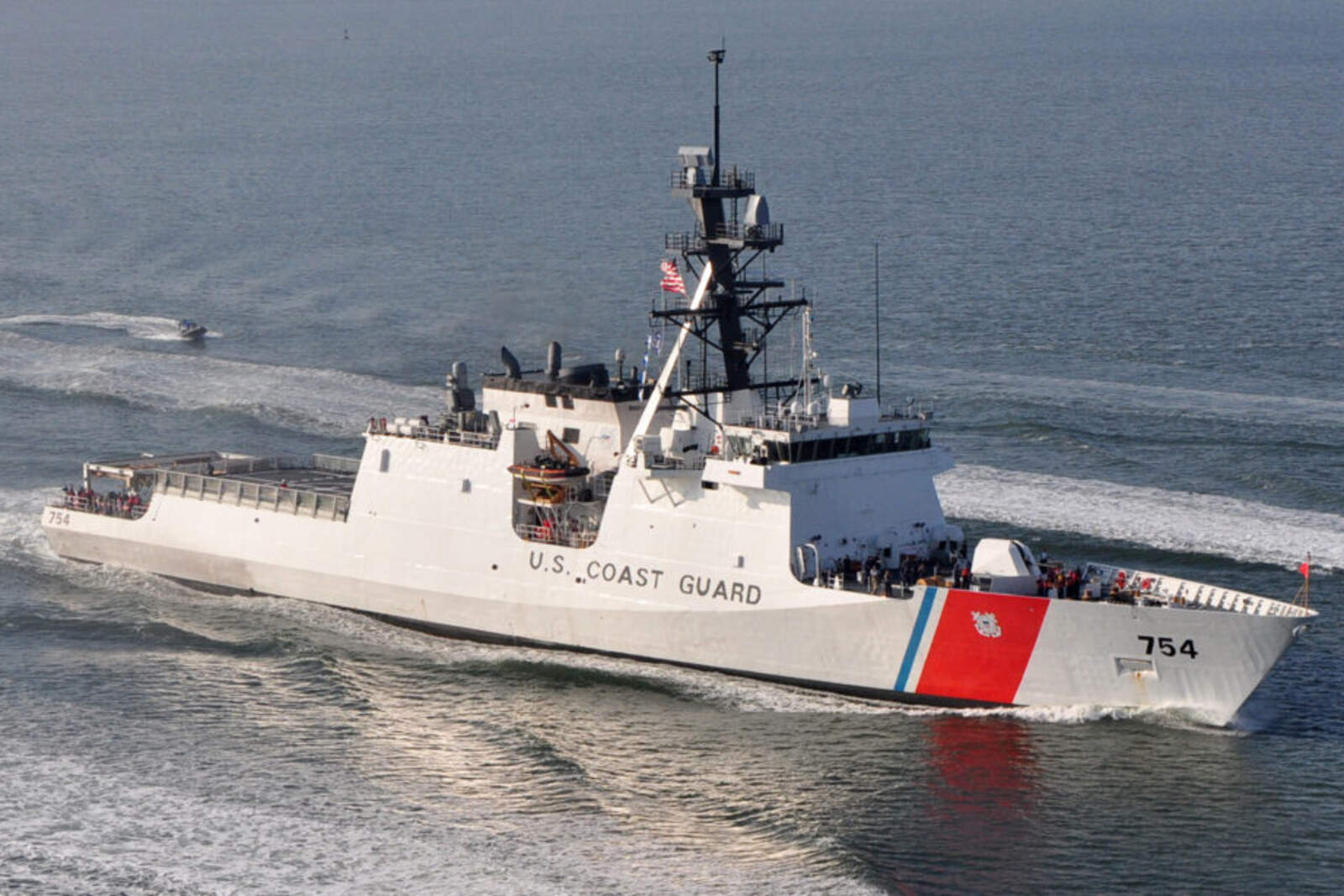
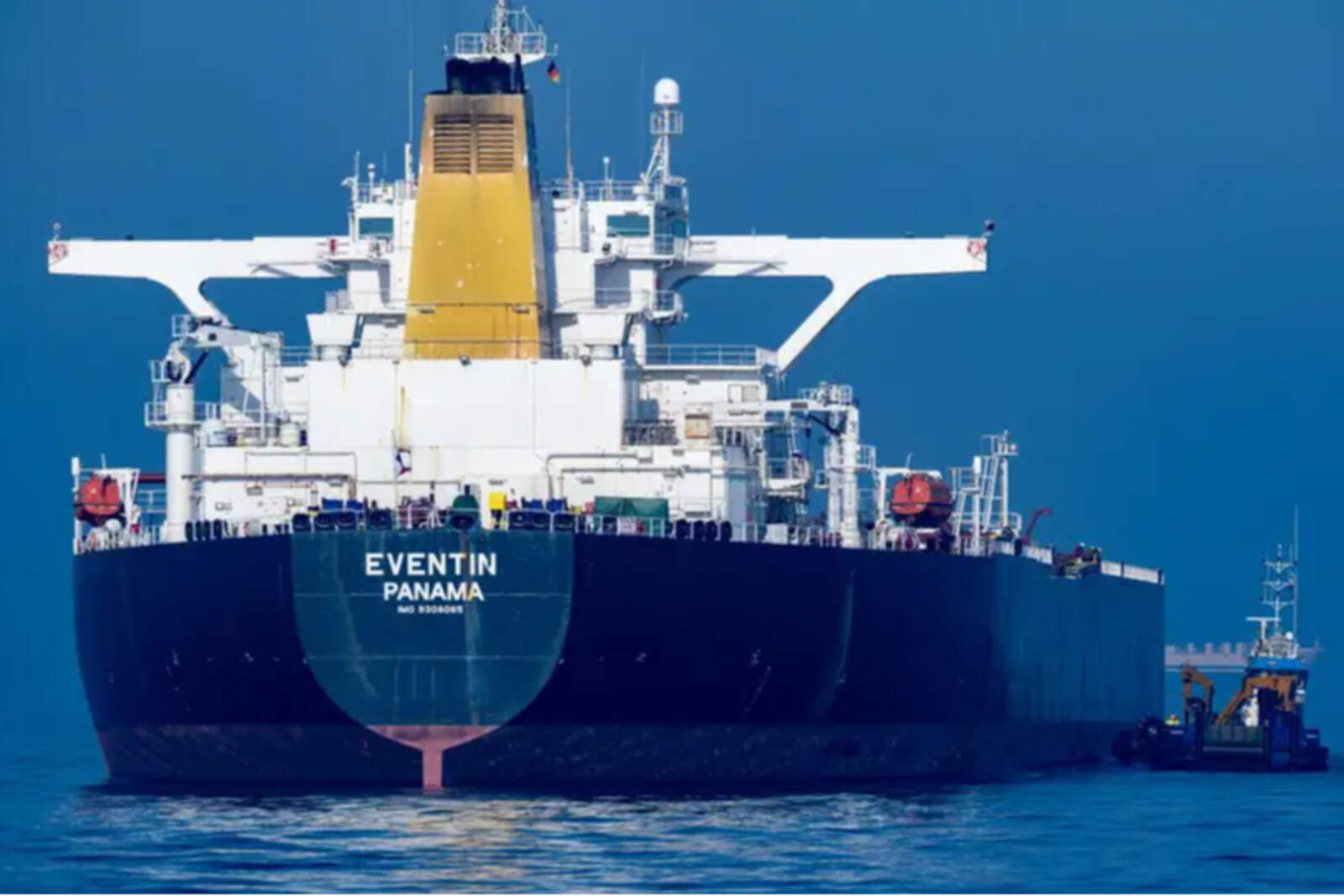
The United States carried out the interdiction and confiscation of a sanctioned oil tanker in international waters off the coast of Venezuela, in an operation led by the U.S. Coast Guard, according to three government officials who confirmed the information to the Reuters agency.
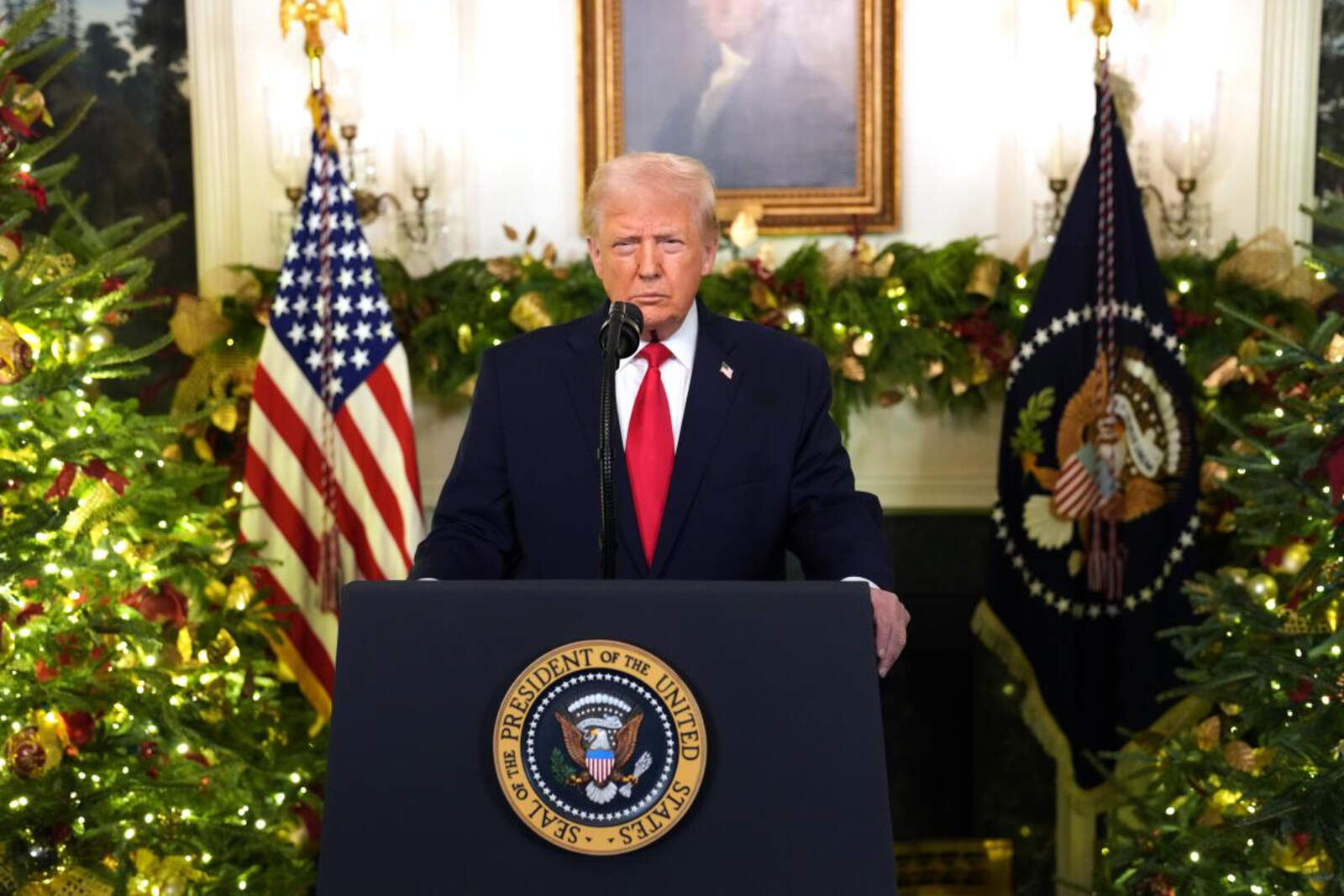
The action comes a few days after President Donald Trumpannounced a total blockade of all sanctioned tankers that transport oil to or from Venezuela, as part of a strategy to reinforce compliance with international sanctions.
This operation marks the second seizure of an oil tanker in recent weeks and is part of a broader effort by the United States to prevent the regime of dictator Nicolás Maduro from continuing to finance itself through crude exports carried out in defiance of the sanctions imposed since 2019.
U.S. authorities indicated that the Coast Guard led the operation, although specific details about the exact location were not disclosed because it is an ongoing action.
La operación fue llevada a cabo por la Guardia Costera
Since the first seizure carried out last week, U.S. measures have had an immediate impact on Venezuelan oil trade. Sector analysts describe the situation as an effective embargo, since numerous tankers loaded with millions of barrels of oil have chosen to remain in Venezuelan waters due to the risk of being intercepted.
As a result, Venezuela's crude exports have fallen significantly, weakening one of Maduro's regime's main sources of income.
U.S. officials have defended these actions as necessary to enforce sanctions and curb the use of irregular fleets that operate outside international legality.
Las sanciones estadounidenses tuvieron fuertes repercusiones sobre el sector petrolero venezolano
Since 2019, traders and refiners have turned to a so-called "shadow fleet", made up of tankers that switch off their tracking systems or that are already sanctioned for transporting oil from countries such as Iran or Russia. According to data from TankerTrackers.com, more than 70 of these vessels are currently in Venezuelan waters, and at least 38 are sanctioned by the U.S. Department of the Treasury.
Despite the impact on Venezuela, the global oil supply remains stable for the moment. Millions of barrels remain stored on tankers off the coast of China, the main buyer of Venezuelan crude, which accounts for about 4% of its total imports.
Washington has stressed that not all shipments of Venezuelan oil are affected. Some companies, such as U.S.-based Chevron, continue to transport crude legally through authorized vessels, which shows that the measures are focused specifically on sanctioned operations and not on legitimate energy trade.
La flotilla fantasma comandada por China, Rusia e Irán son las encargadas de mover el petróleo venezolano en el mundo
The intensification of maritime actions coincides with the large military deployment by the United States in the Caribbean and areas near Venezuela. The White House keeps that these measures seek to guarantee regional security, enforce international law, and increase pressure on a regime accused of corruption, human rights violations, and using oil revenues to remain in power.
President Trump has reiterated that his policy aims to restore democracy in Venezuela and prevent Maduro's tyranny from continuing to exploit the country's vast oil resources for the benefit of a ruling elite, thereby reinforcing the United States' position as a key actor in defending the international order and enforcing sanctions.