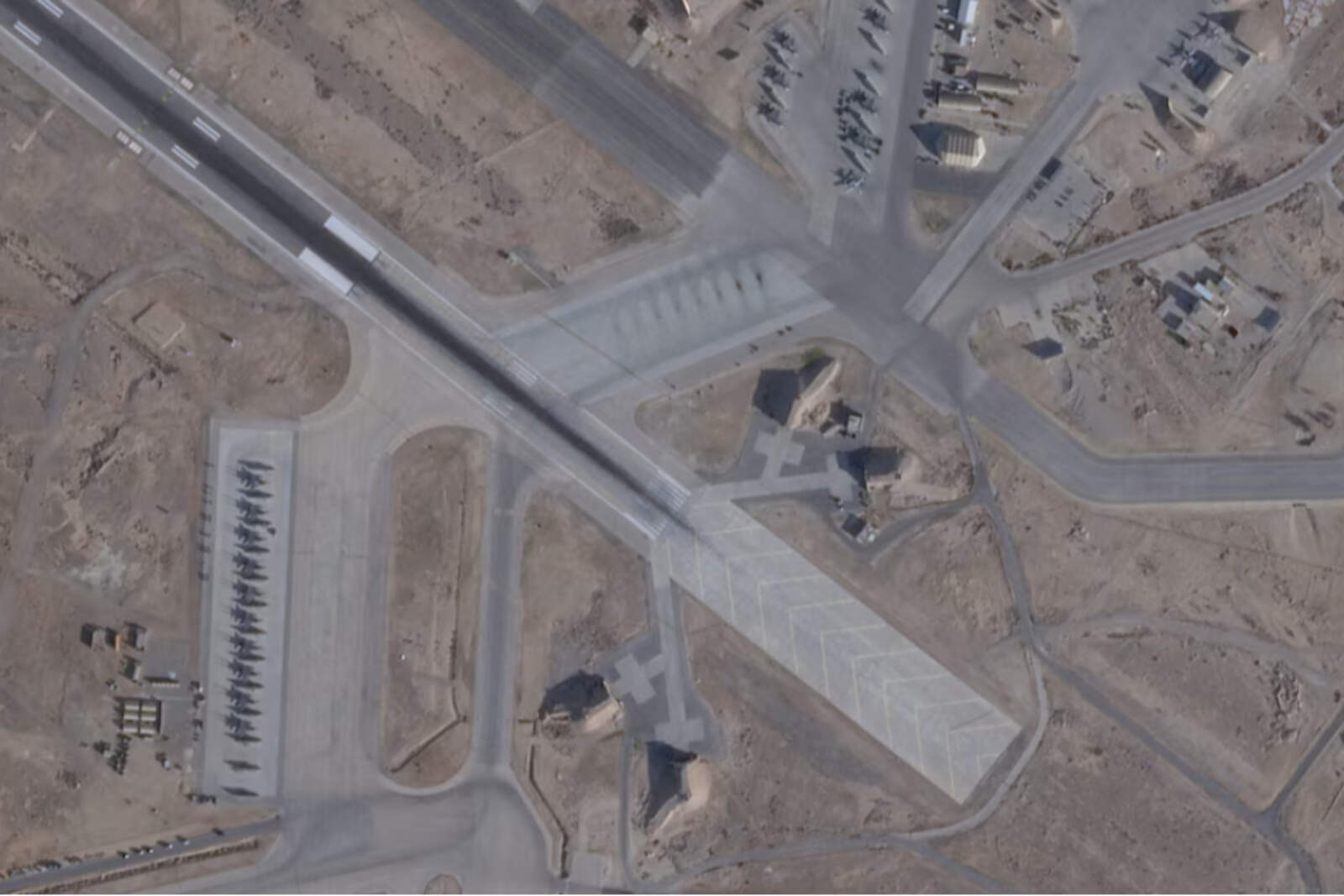
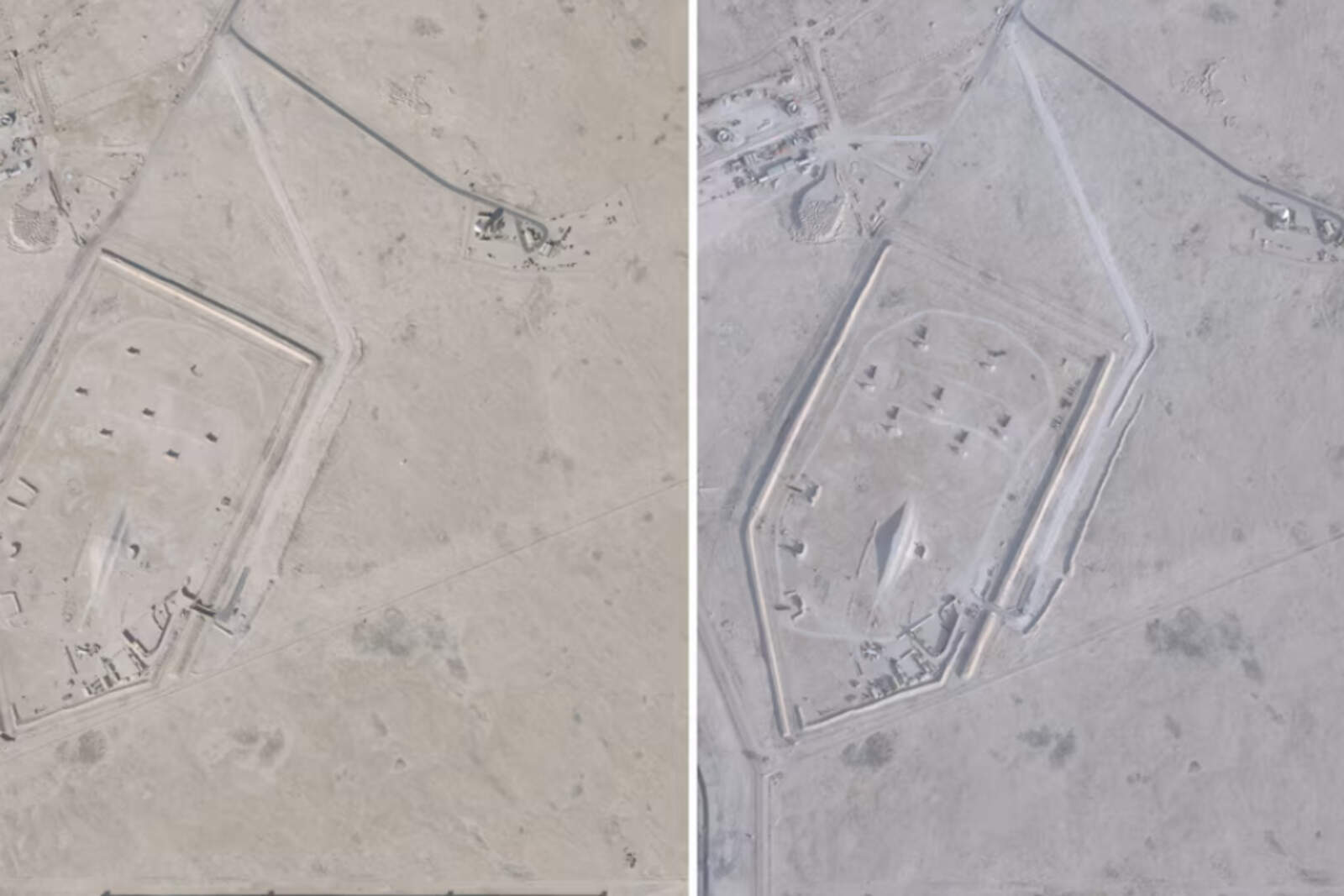
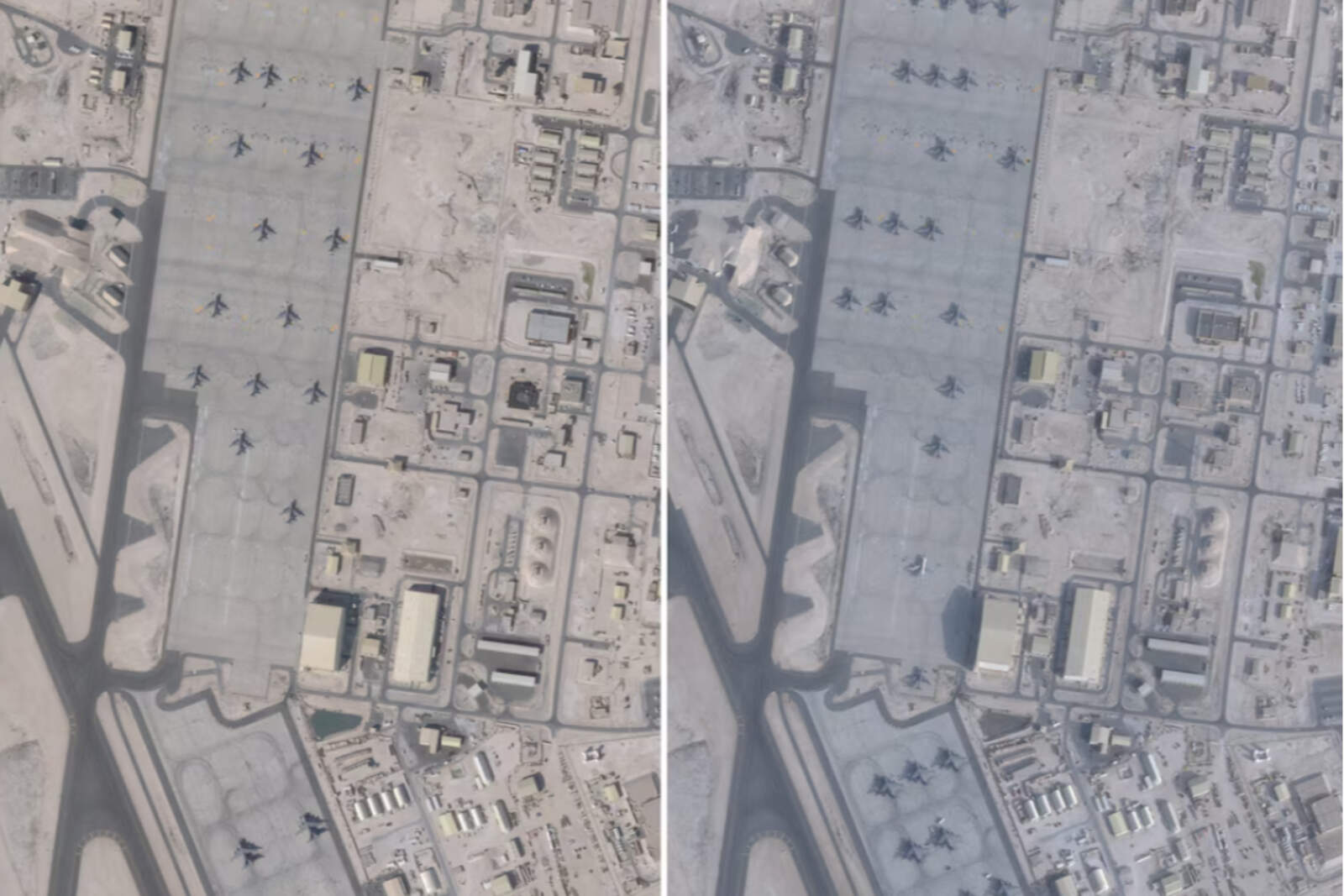
Satellite images show the deployment of mobile Patriot missiles and an increase in aircraft at Al Udeid and other strategic bases
Nuevo
Agregar La Derecha Diario en
Compartir:
United States forces deployed at Al-Udeid Air Base in Qatar—the largest United States military installation in the Middle East—reinforced their defensive posture amid rising tensions with Iran.
An analysis of satellite images reveals that MIM-104 Patriot air defense systems were mounted on HEMTT M983 tactical trucks, which gives them greater mobility and immediate response capability. Unlike semi-static systems, this configuration allows them to be relocated quickly in the event of a potential threat or to be used with greater operational flexibility.
The decision reflects the increased alert level in the region and the need to have agile defensive capabilities in the face of a regime that has publicly warned of possible reprisals against United States bases.
Strategic deterrence amid ongoing negotiations
President Donald Trump has been clear about the threat posed by the Iranian nuclear program, its ballistic missiles, and its support for allied groups in the region. Although diplomatic talks are continuing to avoid a greater escalation, Washington has reinforced its military presence as a deterrent mechanism.
Estados Unidos refuerza su base en Qatar ante la creciente amenaza de Irán
The Iranian Revolutionary Guard warned that it would respond against any United States base if its territory is attacked. In the face of that scenario, the preventive deployment seeks to reduce vulnerabilities and strengthen the defensive capability of the deployed troops.
The strategy combines diplomatic pressure and military preparedness, a formula that the current administration considers key to negotiating from a position of strength.
Increase in aircraft and systems in the region
Satellite images also show a significant increase in aircraft and equipment at various United States bases:
Al-Udeid (Qatar)
1 RC-135 reconnaissance aircraft
3 C-130 Hercules
18 KC-135 Stratotanker refueling aircraft
7 C-17
Up to 10 Patriot systems mounted on HEMTT trucks
In comparison with January, there was an increase in refueling and strategic transport aircraft.
Muwaffaq (Jordan)
17 F-15E attack aircraft
8 A-10 Thunderbolt
4 C-130
4 helicopters
4 EA-18G Growler at another nearby location
Estados Unidos refuerza su base en Qatar ante la creciente amenaza de Irán
Other strategic bases
Prince Sultan (Saudi Arabia): presence of C-5 Galaxy and C-17
Diego Garcia (Indian Ocean): increase of seven additional aircraft
Dukhan (Oman): increase in aircraft between January and February
This deployment demonstrates a comprehensive strengthening of the United States military apparatus at key points in the Gulf and the Indian Ocean.
Clear signal in the face of the Iranian threat
Iran keeps that it has replenished its missile stockpiles after last summer's conflict, when Israel bombed nuclear facilities and strategic military targets, with subsequent United States support. The regime keeps underground complexes in different regions and continues to expand its capabilities.
Estados Unidos refuerza su base en Qatar ante la creciente amenaza de Irán
In this context, the reinforcement of United States bases functions as a deterrent message against any attempt at escalation. The mobility of the Patriot systems and the concentration of attack and logistics aircraft indicate that Washington seeks to guarantee immediate response capability in any scenario.
Preparedness and regional balance
The United States keeps bases in Iraq, Jordan, Kuwait, Saudi Arabia, Qatar, Bahrain, the United Arab Emirates, Oman, Türkiye, and Diego Garcia, forming a strategic network designed to preserve regional stability.
As diplomatic contacts continue, the White House is betting on maintaining pressure on Tehran without neglecting the protection of its forces and allies. The combination of dialogue and military firmness defines the current moment in the Middle East.