United States and Iran resumed indirect contacts in Oman to prevent further regional escalation
Nuevo
Agregar La Derecha Diario en
Compartir:
The United States and Iran resumed indirect negotiations on the Iranian nuclear program in Muscat, the capital of Oman, in a new attempt to contain a greater escalation in the Middle East. The talks are taking place in a context of deep mistrust between both sides and with limited expectations for concrete progress.
According to the Times of Israel, the dialogue is being conducted through Omani intermediaries, maintaining a strict physical separation between the United States and Iranian delegations.
A frozen dialogue that is trying to be reactivated
The talks are resuming diplomatic channels that had remained practically frozen for months. Tensions worsened after the United States withdrew from the nuclear deal in 2018 and the subsequent advance of Tehran's nuclear program, which caused alarm in Washington and among its regional allies.
The central objective of this new round is to avoid miscalculations that could lead to an open confrontation in a region already marked by active conflicts and high instability.
Estados Unidos e Irán vuelven a negociar en Omán por el programa nuclear
Oman, a key and discreet mediator
Oman's government once again assumed a central role as mediator. According to information published by the Times of Israel and the EFE agency, the negotiations began with a slight delay and lasted for approximately an hour and a half.
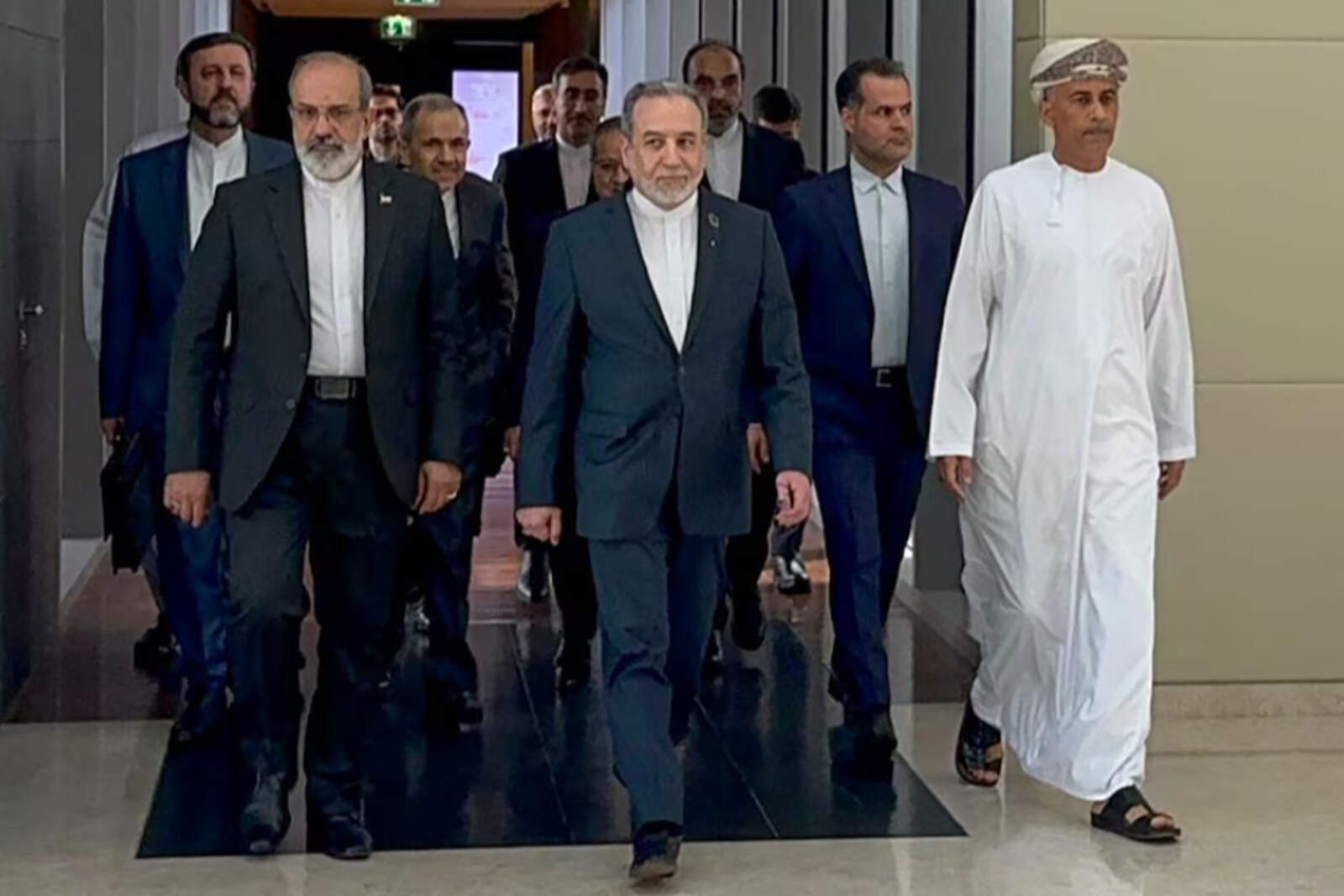
After that period, a motorcade that was presumed to be transporting United States officials left the palace where the talks were held, located on the outskirts of Muscat. An Iranian convoy had arrived and left the site earlier.
There were no immediate official statements from the United States, and it was not clear whether the talks had definitively concluded for the day.
Parallel meetings and official confirmation
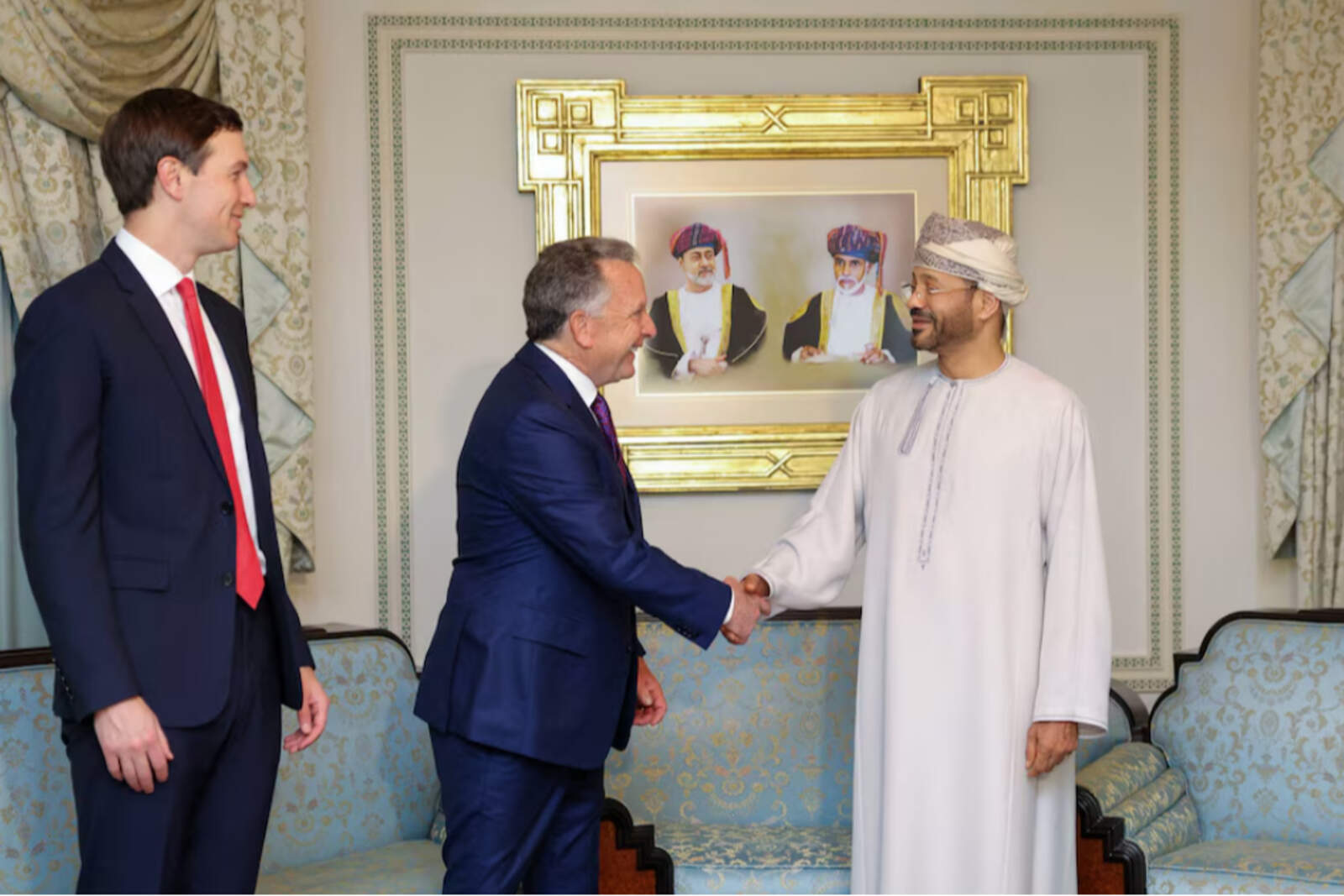
Hours later, Oman's Ministry of Foreign Affairs confirmed on the social network X that it had mediated the talks between both countries. The Omani foreign minister, Badr al-Busaidi, held separate meetings with the Iranian foreign minister, Abbas Araghchi, and then with the United States special envoy for the Middle East, Steve Witkoff, together with White House adviser Jared Kushner.
Oman's foreign ministry indicated that the consultations were focused on "preparing the appropriate conditions to resume diplomatic and technical negotiations," with the aim of moving toward greater regional stability.
Estados Unidos e Irán vuelven a negociar en Omán por el programa nuclear
The central points of disagreement
Among the main points of conflict, Iran's level of uranium enrichment and the regime of economic sanctions imposed by Washington remain in place. United States officials reiterated their concern about Iranian nuclear advances, while Tehran's delegation demanded the lifting of sanctions and guarantees of future compliance.
According to the sources cited by the Times of Israel, there was no tangible progress and the positions remain far apart.
Low expectations and regional pressure
The prospects for this new round of talks remain limited. Both sides are being cautious and skeptical in light of the lack of concrete commitments.
The regional context adds pressure to the negotiating table. The growing tensions in the Middle East, the stagnation of previous diplomatic processes, and the persistence of international sanctions fuel fears that any miscalculated move could trigger an undesired escalation.