A moss survived for nine months on the exterior of the ISS and opens new possibilities for astrobiology
Nuevo
Agregar La Derecha Diario en
Compartir:
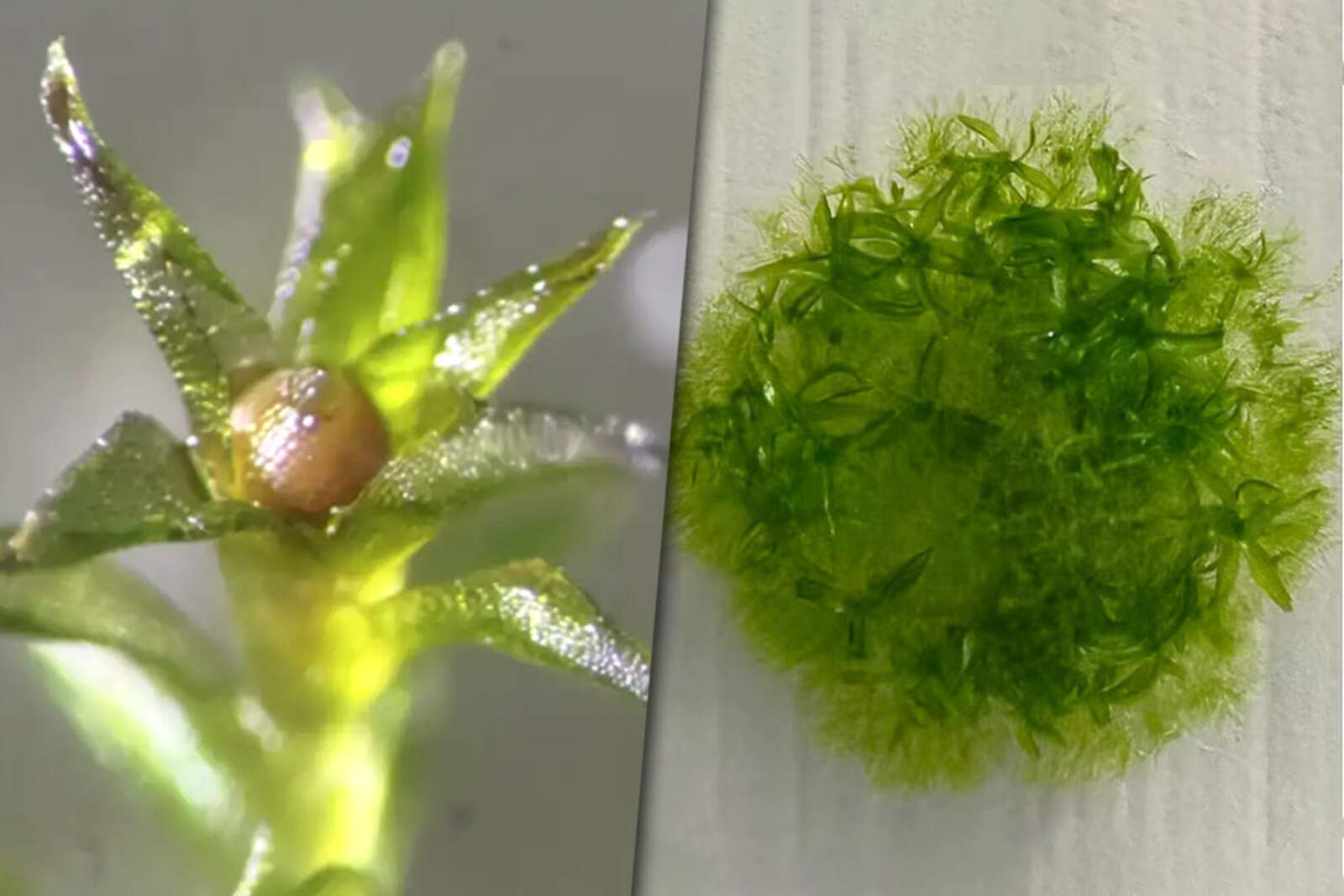
A new scientific study has revealed a surprising finding. A species of terrestrial moss managed to survive for nine months outside the International Space Station (ISS), exposed to vacuum, ultraviolet radiation, and extreme temperatures. The research, published in iScience and cited by international media, was led by Tomomichi Fujita from Hokkaidō University, Japan.
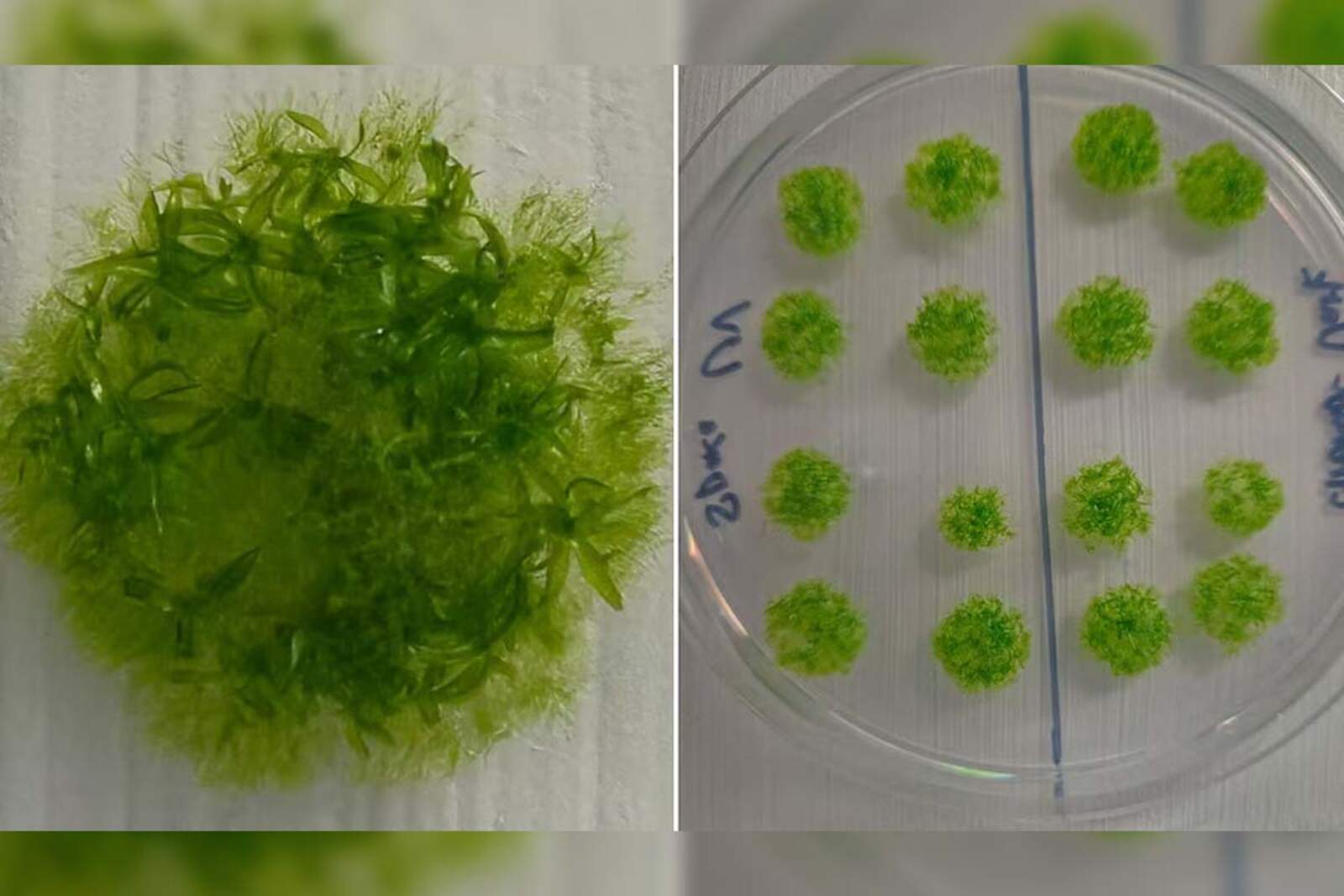
More than 80% of the spores of the moss Physcomitrium patens maintained their viability, a level of resistance that even surprised specialists.
Estación Espacial Internacional
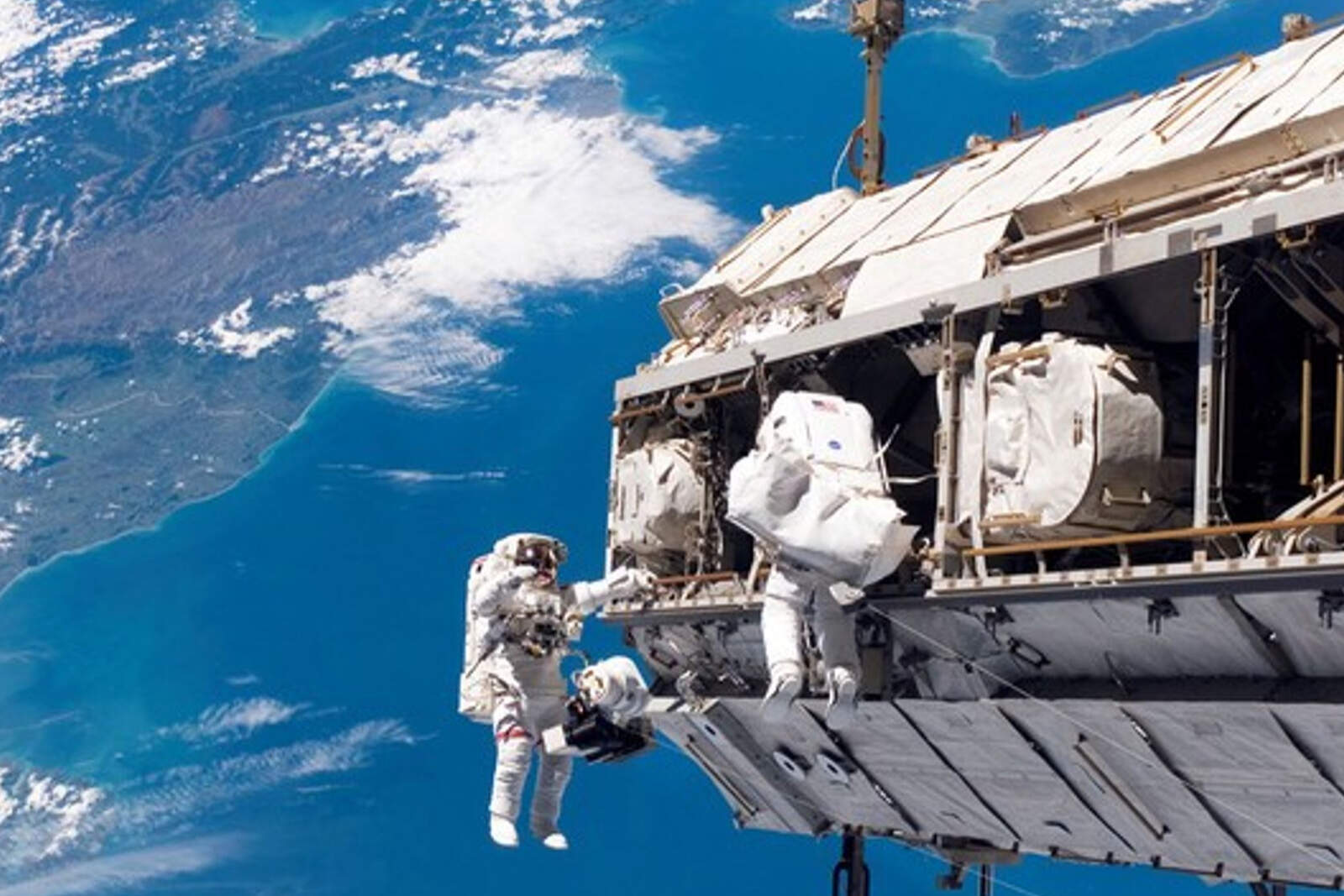
An extreme experiment aboard the ISS
The project sent hundreds of sporophytes aboard the Cygnus NG-17 spacecraft in March 2022. Once at the ISS, astronauts placed the samples outside the module to expose them for nine months to the space environment. The spores returned to Earth in January 2023 with the SpaceX CRS-26 mission, where analyses began in Japan.
During those months, the moss was exposed to UV radiation, vacuum, thermal fluctuations, and microgravity. Some samples were protected with filters, while others were left completely exposed. Germination remained high even under the most aggressive conditions: UV radiation reduced viability by only 11%, down to 86%.
What scientists observed
The study also detected significant chlorophyll degradation under intense visible light. However, this deterioration did not affect germination capacity, although it does raise questions about how plant pigments adapt to extraterrestrial environments.
El avance podría marcar un antes y un después en la comprensión de enfermedades metabólicas
Before the space experiment, researchers had evaluated different moss tissues in the laboratory. The spores, protected inside the sporangium, proved to be much more resistant than other cell types such as protonemata. This robustness even surpassed organisms known for their extreme resistance, such as tardigrades and the bacterium Deinococcus radiodurans.
Resistance with evolutionary value
Mosses are key organisms in the history of terrestrial life. They colonized Earth about 500 million years ago and paved the way for plants and animals by generating substrate where there was previously nothing. Their enormous survival capacity is understood as an evolutionary advantage that helped them endure multiple hostile episodes on the planet.
Más del 80% de las esporas del musgo Physcomitrium patens mantuvieron su viabilidad
Meanwhile, according to Fujita, the moss's resistance opens possibilities in astrobiology and terraforming projects. These organisms could help create fertile substrates on other planets or assist in the regeneration of degraded soils.