

The United States Congress took a decisive step toward transparency with the approval of the Epstein Files Transparency Act, a bill that will require the Department of Justice to disclose files related to Jeffrey Epstein and his co-conspirator Ghislaine Maxwell.
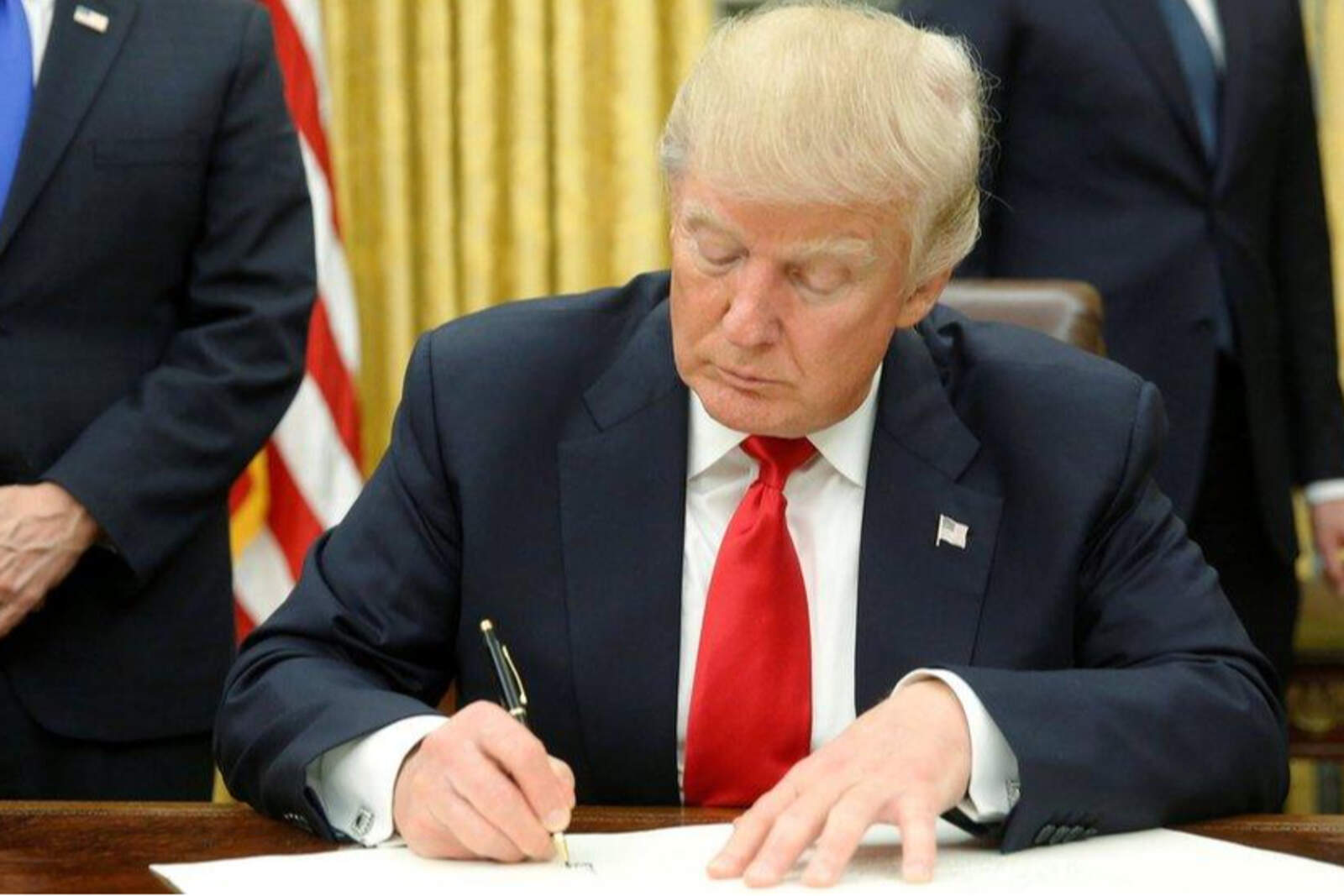
The initiative now moves to President Donald Trump's desk, who reiterated this week his firm intention to sign it as soon as it reaches his office.
The role of the Republican Party was key to unlocking a process that had been stalled for months. Although some Democrats attempted to use the bill for political purposes, according to conservative lawmakers, the reality is that the overwhelming vote in the House of Representatives, 427 votes in favor and only 1 against, reflected the Republican leadership's ability to prioritize transparency and respond to public demands.
The approval was the result of a prolonged effort within the House, where four Republicans joined Democrats to sign a petition that forced the debate on the floor.
Although Speaker of the House Mike Johnson initially expressed some caution regarding the Democratic push, the Republican supported the final approval, reflecting the alignment of conservative leadership in favor of transparency.
After the massive endorsement in the House of Representatives, the Senate acted with unusual speed. At the proposal of Majority Leader Chuck Schumer, and with no objections from any senator, the Upper Chamber unanimously approved the bill as soon as it was formally received from the Lower Chamber.