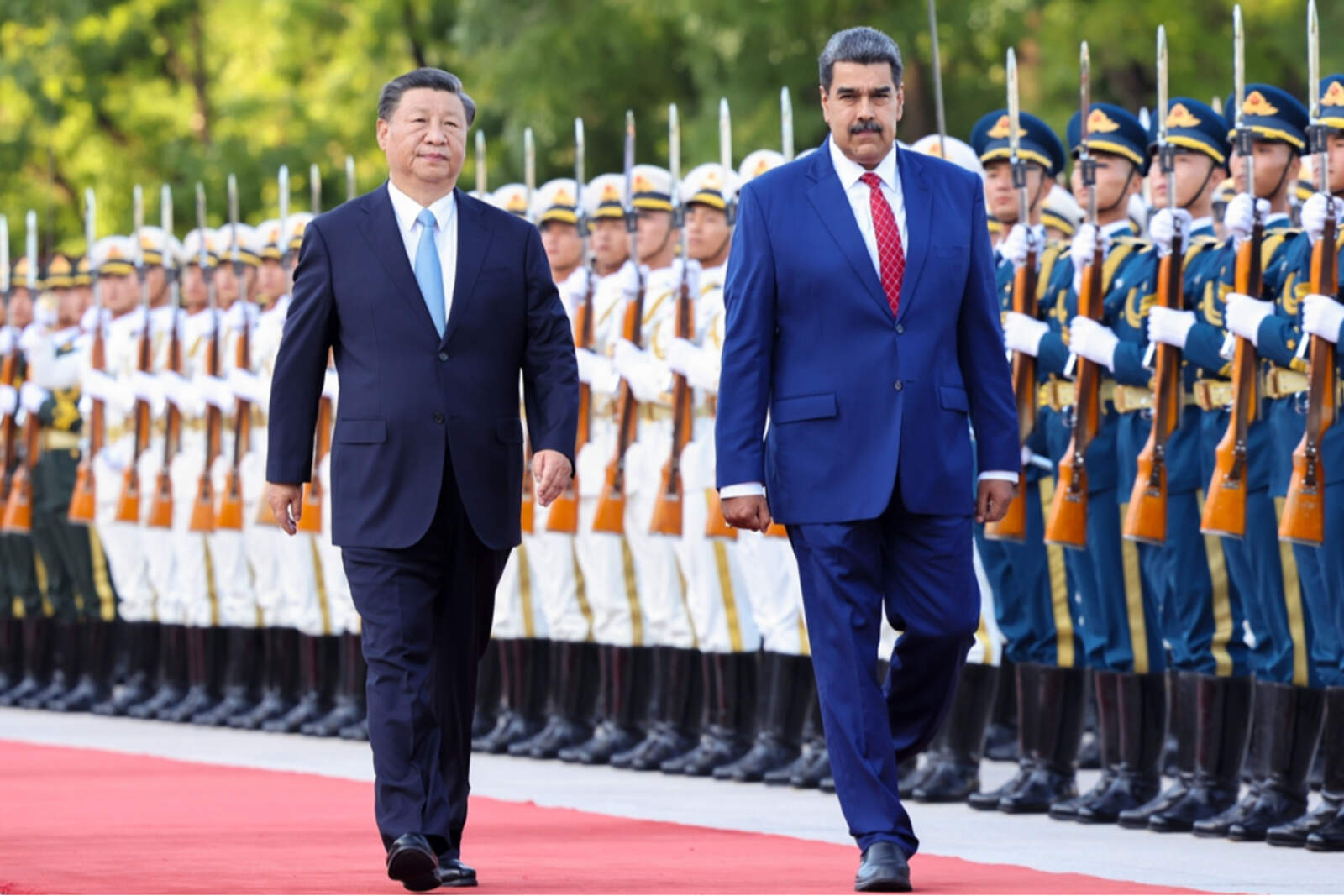
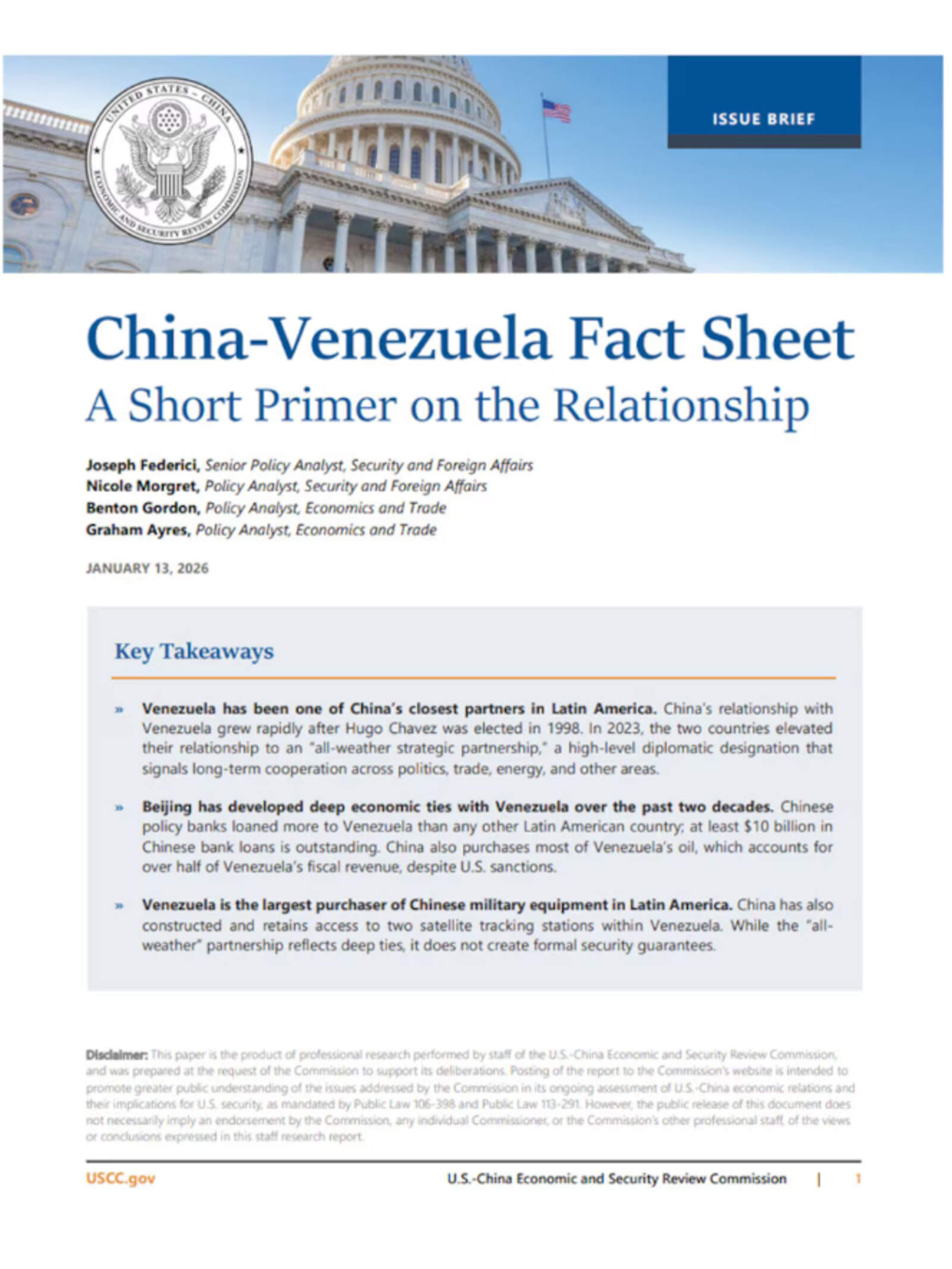
The United States Congress published a forceful report that reveals, with verified figures and official documents, the depth of the military, economic, and technological bond between the dictatorship of Venezuela and the communist regime of China.
The document was prepared by the Capitol's Economic and Security Review Commission, made up of Republican and Democratic lawmakers, which gives it an institutional legitimacy rarely seen in matters of international policy.
China: the main creditor and financial support of Chavismo
According to the dossier, Beijing is the largest creditor of the Venezuelan regime. More than 10 billion dollars in loans remain outstanding, and a large part of the indebtedness deepened during Nicolás Maduro's tenure, when the economy contracted and dependence on oil worsened.
El Congreso de EEUU expuso cómo China sostuvo militar, económica y tecnológicamente a la dictadura venezolana
China also became the dominant buyer of Venezuelan crude, absorbing between 50 and 89% of total production and thus guaranteeing vital income for the regime's survival.
Oil, infrastructure, and technology to bypass sanctions
The report highlights that, despite United States sanctions, China operates joint ventures with PDVSA, allowing it to partially circumvent international restrictions. It also records a strong presence of Chinese companies in critical infrastructure sectors such as energy, telecommunications, ports, irrigation, and power grids.
El Congreso de EEUU expuso cómo China sostuvo militar, económica y tecnológicamente a la dictadura venezolana
This economic and technological framework has consolidated a level of dependence that leaves Venezuela tied to Beijing's interests.
Chinese weapons, satellites, and military operations without real effectiveness
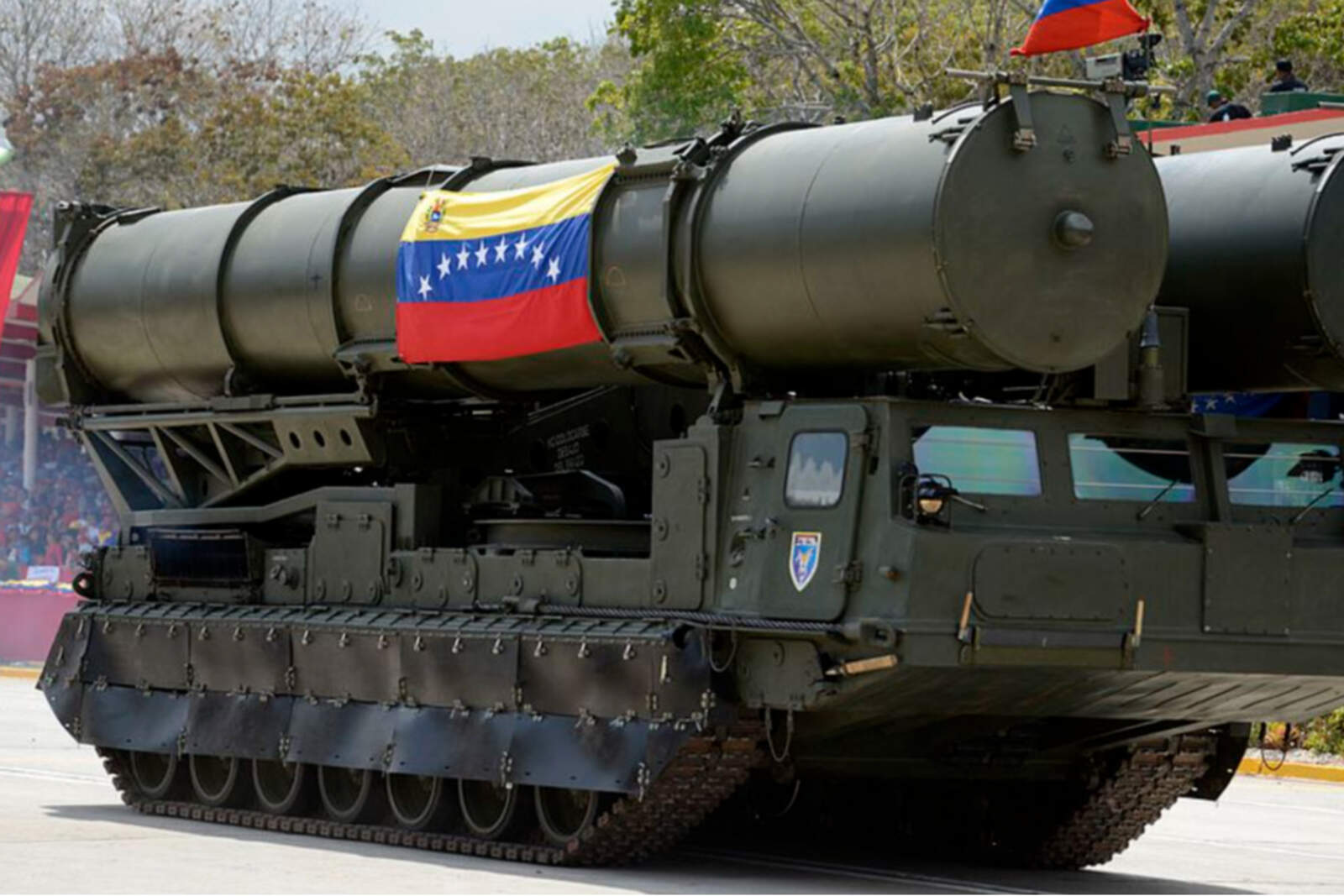
Venezuela is the largest buyer of Chinese weaponry in Latin America: tanks, armored vehicles, rocket launchers, missiles, and aircraft are part of the equipment acquired since 2005. China also built two satellite stations on Venezuelan territory that, according to the report, could offer the People's Liberation Army strategic access in conflict situations.
However, the document notes that these systems failed in an evident way in the face of the recent United States operation that ended with the capture of dictator Nicolás Maduro. The Chinese radars did not detect the incursion, revealing technical problems, lack of maintenance, and limited military integration.
El Congreso de EEUU expuso cómo China sostuvo militar, económica y tecnológicamente a la dictadura venezolana
Technology for social control: Huawei, ZTE, and the Carnet de la Patria
The dossier also underscores the key role of Huawei, ZTE, and CEIEC, companies responsible for the technological infrastructure that allows the regime to monitor and control the population.
The "Carnet de la Patria" system, inspired by control tools of the Chinese Communist Party, records biometric data, political activity, social consumption, and access to benefits, creating a scheme of state surveillance without precedent in the region.
A strategic alliance that sustains Maduro but exposes his fragility
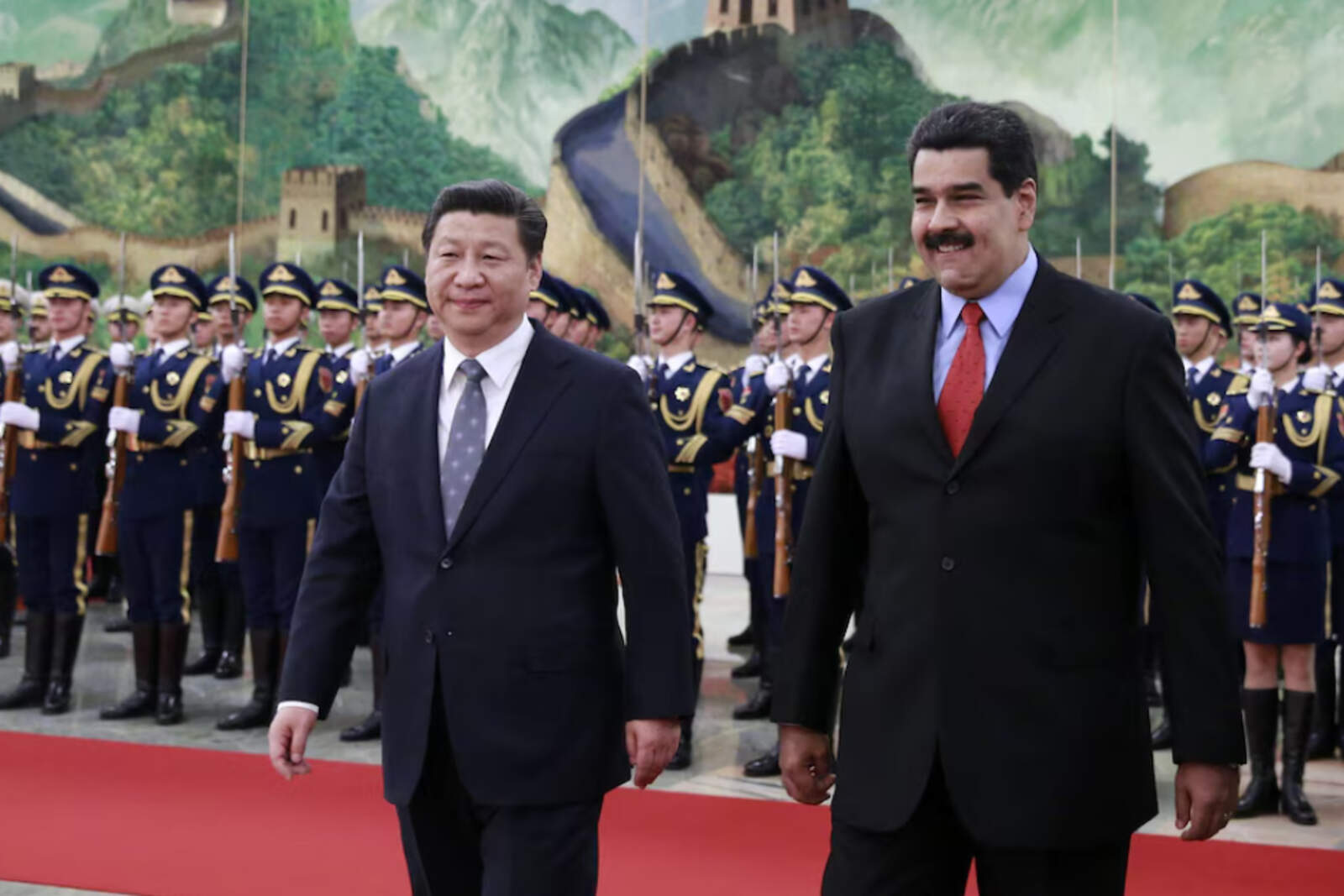
Capitol's conclusion is categorical: China supports the Venezuelan regime economically, technologically, and logistically, but its military contribution is weak and insufficient. Chavismo depends on Beijing to survive, but it doesn't obtain real defense guarantees in the face of internal pressures or external actions.
The financing structure, the oil agreements, and the surveillance technology network consolidate a deeply asymmetrical relationship that leaves Venezuela subordinated to China's strategic interests.