Hotel companies, shipping companies, mining companies, and financial entities are leaving the island as Washington tightens the blockade on the military conglomerate Gaesa.
The maximum pressure policy driven by the Donald Trump administration continues to have direct consequences on the Cuban economy. In recent weeks, several foreign companies announced the reduction or cessation of their operations on the island, while an international bank decided to cut its ties with the military conglomerate Gaesa, even leading to the suspension of payments with Visa and Mastercard in Cuban territory.
The decision represents a new blow to the communist regime in Havana, which is going through one of the worst economic crises in recent decades and faces increasing difficulties in accessing foreign currency, investments, and international financing.
Trump targets the regime's economic apparatus
The focus of U.S. sanctions is on the Business Administration Group S.A. (Gaesa), the gigantic conglomerate controlled by the Cuban Armed Forces that dominates key sectors of the island's economy.
The Trump administration argues that Gaesa functions as a tool used by the dictatorship to capture foreign currency, sustain power structures, and evade international restrictions.
US sanctions accelerate the exit of foreign companies and strike the Cuban regime.
For this reason, the Office of Foreign Assets Control (OFAC) set a deadline for foreign companies that do business with Gaesa to abandon those commercial relationships or face U.S. sanctions.
The consequences began to be felt quickly.
Visa and Mastercard cease operations
The Central Bank of Cuba confirmed that starting this weekend, operations with Visa and Mastercard issued by foreign entities will be suspended.
The measure came after the international bank responsible for processing those operations decided to cut its link with Fincimex, the financial entity associated with Gaesa that channeled a large part of the international transactions on the island.
For a country that increasingly depends on remittances sent from abroad and electronic payments to sustain part of its economic activity, the decision represents a significant blow.
International hotel chains abandon the island
The tourism sector also began to suffer the consequences of the tightening of sanctions.
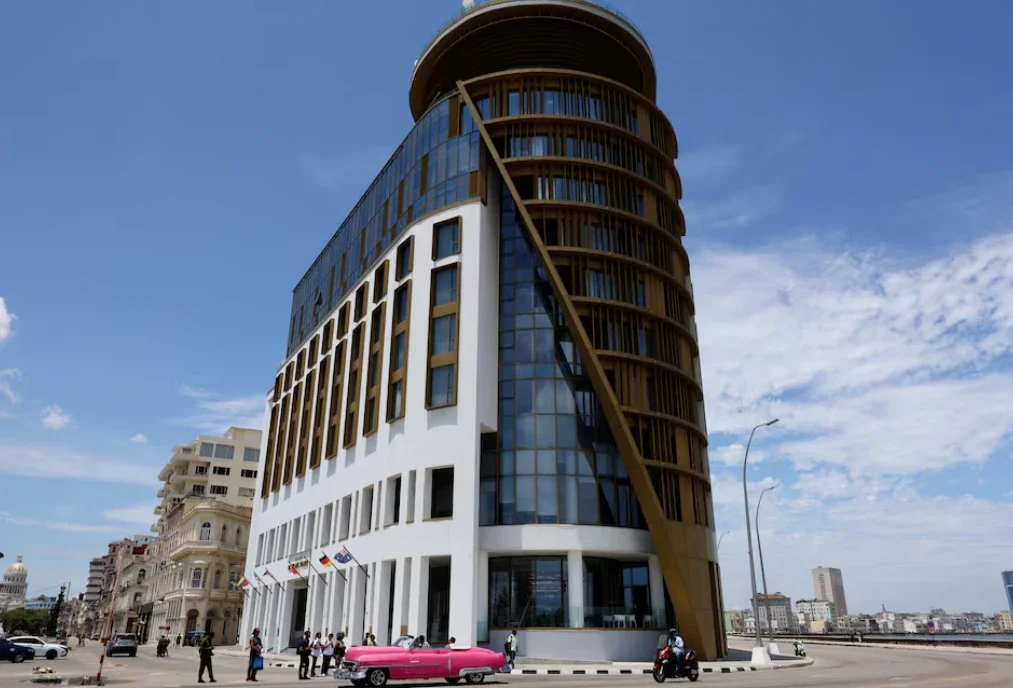
The Spanish chain Meliá announced the immediate termination of the management of 15 hotels linked to Gaesa. This decision adds to similar measures taken by Iberostar, Blue Diamond, and the Indonesian Archipelago International.
These companies were for years some of the main international partners of the Cuban regime in the development of the tourism industry.
US sanctions accelerate the exit of foreign companies and strike the Cuban regime.
The exit of these companies comes at a particularly delicate moment for Cuba. Between January and April, the country received only 328,608 international tourists, a drop of over 55% compared to the same period the previous year.
Mining and shipping companies also withdraw
The U.S. pressure is not limited to tourism.
The Canadian company Sherritt, one of the main foreign mining companies present in Cuba since the 1990s, announced the abandonment of its operations linked to nickel and cobalt extraction.
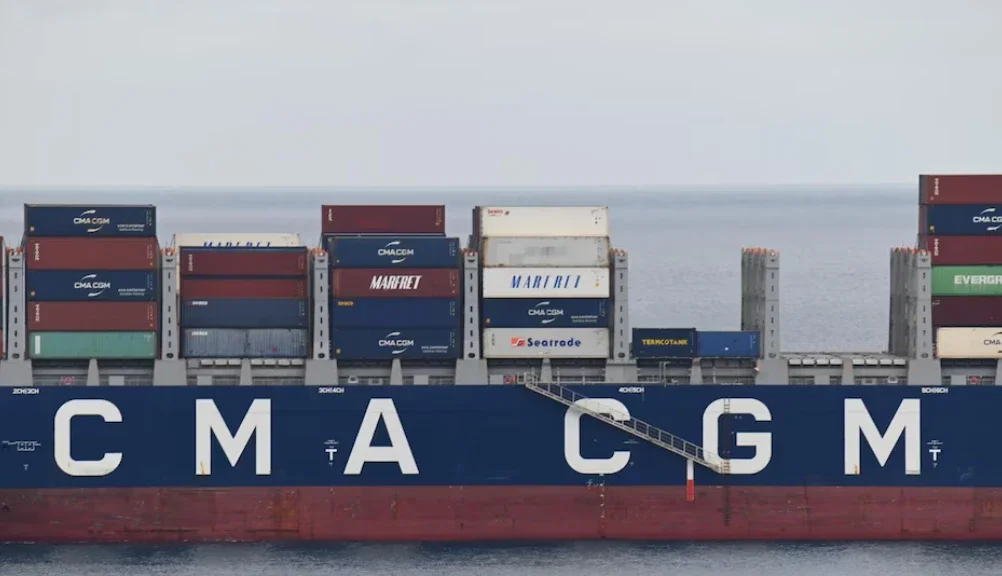
At the same time, shipping companies CMA CGM and Hapag-Lloyd suspended cargo bookings to the island while they assess the impact of the new sanctions.
The combination of less tourism, reduced mining activity, and greater logistical difficulties threatens to further deepen the foreign currency shortage affecting the regime.
An increasingly complicated scenario for Havana
Secretary of State Marco Rubio, one of the main proponents of the hardline stance against the Cuban regime, recently denounced that Gaesa controls about 70% of the island's economy and operates as an instrument of corruption and enrichment for the ruling elite.
For many analysts, the economic impact could be devastating.
Cuban economist Daniel Torralbas warned that the simultaneous exit of banks, hotel chains, shipping companies, and mining companies could make 2026 one of the worst economic years in Cuba's recent history.
As Washington tightens the financial and commercial blockade, the regime faces an increasingly complex scenario to sustain its foreign currency income, finance essential imports, and avoid further deterioration of the living conditions of the Cuban population.