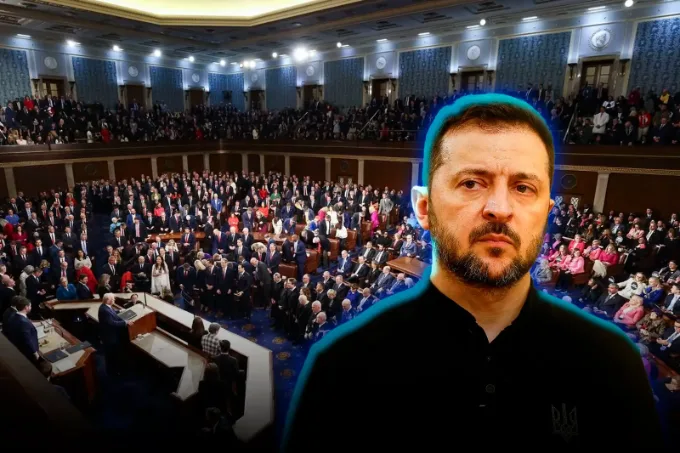
The Upper Chamber approved by a wide majority the advancement of a project that tightens economic measures against Moscow and countries that continue to buy Russian energy. The vote coincided with the visit of Ukrainian President Volodymyr Zelensky to Washington
The United States Senate took a decisive step toward the approval of a new sanctions package against Russia by supporting, with a wide bipartisan majority, the advancement of a bill aimed at increasing economic pressure on the Kremlin. The initiative was approved by 86 votes in favor and 12 against, in a session that included the presence of Ukrainian President Volodymyr Zelensky.
The proposal seeks to significantly expand the sanctions imposed on Russia since the beginning of the invasion of Ukraine. Among its main measures, it includes the possibility of imposing tariffs and economic restrictions on the main buyers of Russian oil and gas, in addition to tightening sanctions against financial entities, energy companies, and officials linked to Vladimir Putin's government.
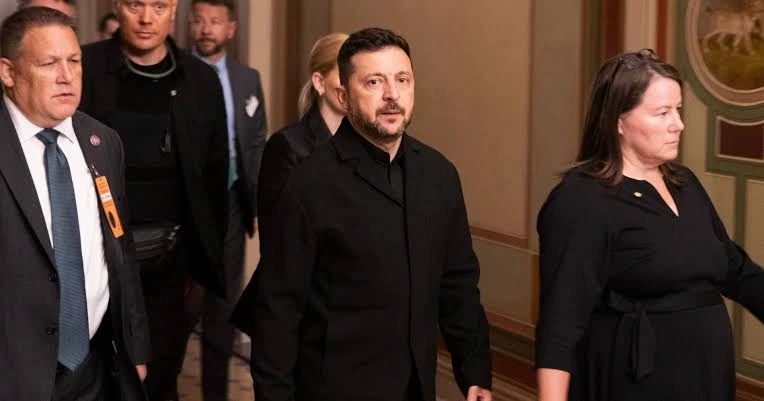
Volodymyr Zelensky in the United States Senate
The Ukrainian leader traveled to the U.S. capital to participate in the funeral of Republican Senator Lindsey Graham, one of the main proponents of the initiative and one of Ukraine's staunchest allies in Congress. Before the session, Zelensky held meetings with senators from both parties and thanked the support provided by the United States since the beginning of the conflict.
The bill was jointly drafted by Republican and Democratic lawmakers. The initiative received the backing of the U.S. government after introducing modifications that grant greater flexibility to the Executive Branch to apply certain sanctions and establish exceptions for those countries that gradually reduce their dependence on oil and gas from Russia.
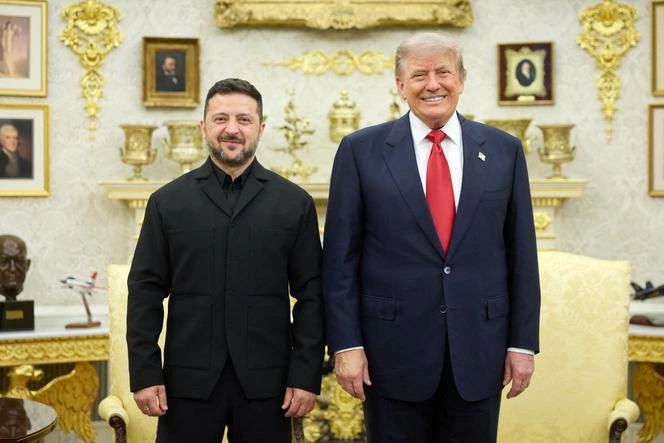
Volodymyr Zelensky alongside President Donald Trump
Among the most relevant measures is the possibility of imposing high tariffs on the five largest global buyers of Russian energy, including China and India, if they continue to purchase oil and gas at current levels. The proponents of the bill argue that this tool will significantly increase economic pressure on Moscow and hinder the financing of its military operations in Ukraine.
After passing this first vote, the bill will continue its legislative process before reaching President Donald Trump's desk for eventual enactment. If it becomes law, it will represent one of the most severe sanctions packages approved by the United States since the beginning of the war and will reinforce Washington's strategy to increase the economic and financial isolation of Russia.