Nevertheless, the ruling doesn't affect all tariffs, so the current tariff structure remains in force
Nuevo
Agregar La Derecha Diario en
Compartir:
The Supreme Court of the United States struck down certain tariffs implemented by President Donald Trump on Friday. The ruling, adopted by a majority of six justices to three, focused specifically on the tariffs that had been implemented under an emergency powers law, which were used for sanctions and particular restrictions.
Nevertheless, the ruling doesn't affect all the tariffs promoted by the Republican president, since many of them were established under conventional trade laws and not through the use of extraordinary powers. For that reason, the important part of the tariff structure remains in force, which allows the general framework of trade policy to remain in place under other legal bases.
The case has a relevant institutional component, given that John Roberts, Neil Gorsuch and Amy Coney Barrett, three supposedly "conservative" justices, voted in favor of striking down the emergency tariffs, despite their importance when it comes to sanctioning certain countries.
Donald Trump.
On the other hand, the ruling had the dissent of three other conservative justices: Samuel Alito, Clarence Thomas and Brett Kavanaugh, who questioned the interpretation adopted by the majority.
In his dissenting opinion, Kavanaugh maintained: “The tariffs at issue may or may not be sound policy. But, judged by the text, history, and precedent, they are clearly lawful”.
Despite the annulment, the judicial decision doesn't prevent the administration from continuing to apply tariffs under other regulatory frameworks. Officials from the Republican administration stated that they expect to maintain the tariff scheme by using other available legal tools.
Donald Trump encabeza negociaciones de paz
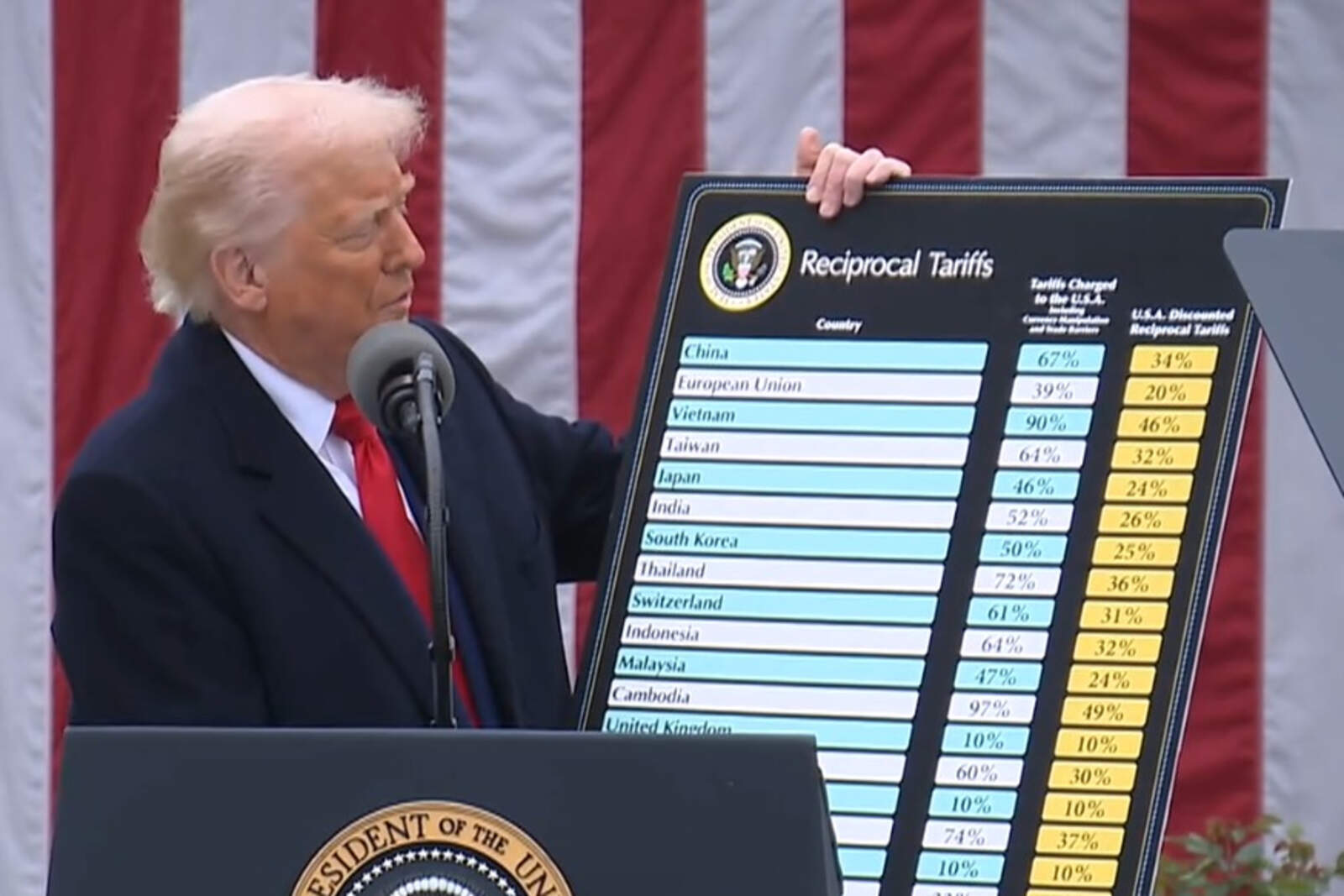
Reciprocal tariffs
Trump's tariff policy consisted of imposing “reciprocal” tariffs on numerous countries in April 2025. The measure sought to respond to unequal trade conditions, in which the United States allowed the entry of foreign products without taxes while it faced strong restrictions and tariffs in other markets.
The economic impact of this policy has been significant. According to estimates by the Congressional Budget Office, the effect of the tariffs could reach about 3 trillion dollars over the next decade. At the same time, the Treasury Department collected more than 133 billion dollars in import taxes applied under the emergency powers law, according to federal data as of December.