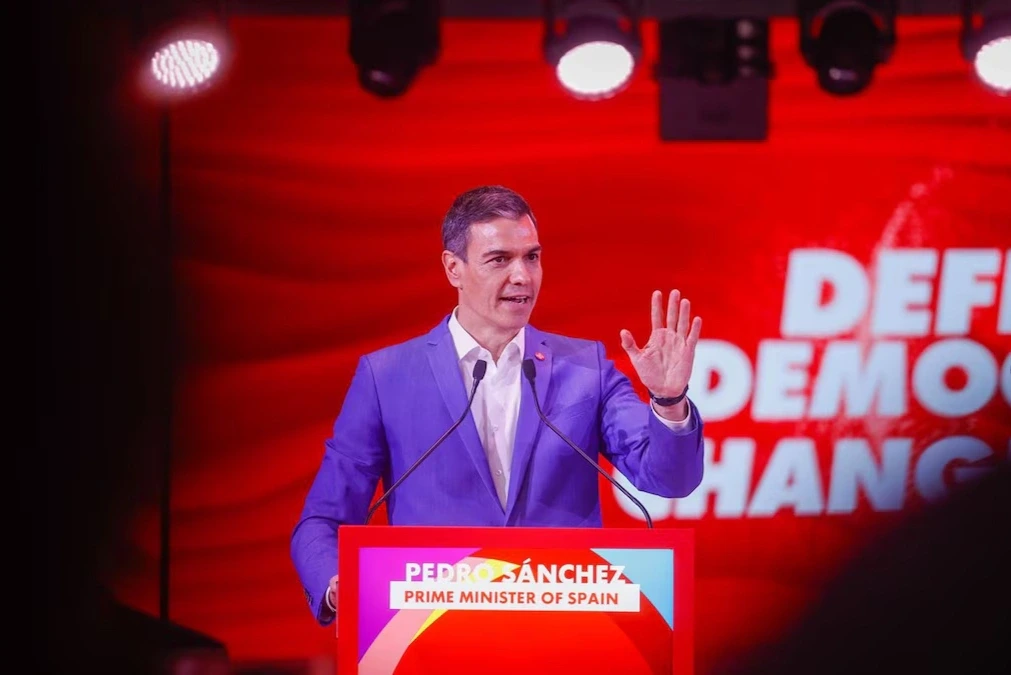
At the summit of progressive leaders in Barcelona, the president of the Spanish Government, Pedro Sánchez, returned to the center of the international stage with a controversial proposal: to reform the UN to adapt it to what he defined as “the new global challenges”. However, behind this approach, criticism is growing for what many consider an attempt to export a communist ideological agenda that already generates tensions within Spain
.
Sánchez defended the need to strengthen multilateralism and expand representation in international organizations. But these proposals are often accompanied by policies that promote greater migratory flexibility, even in contexts where States face serious difficulties in controlling illegal entry and ensuring integration
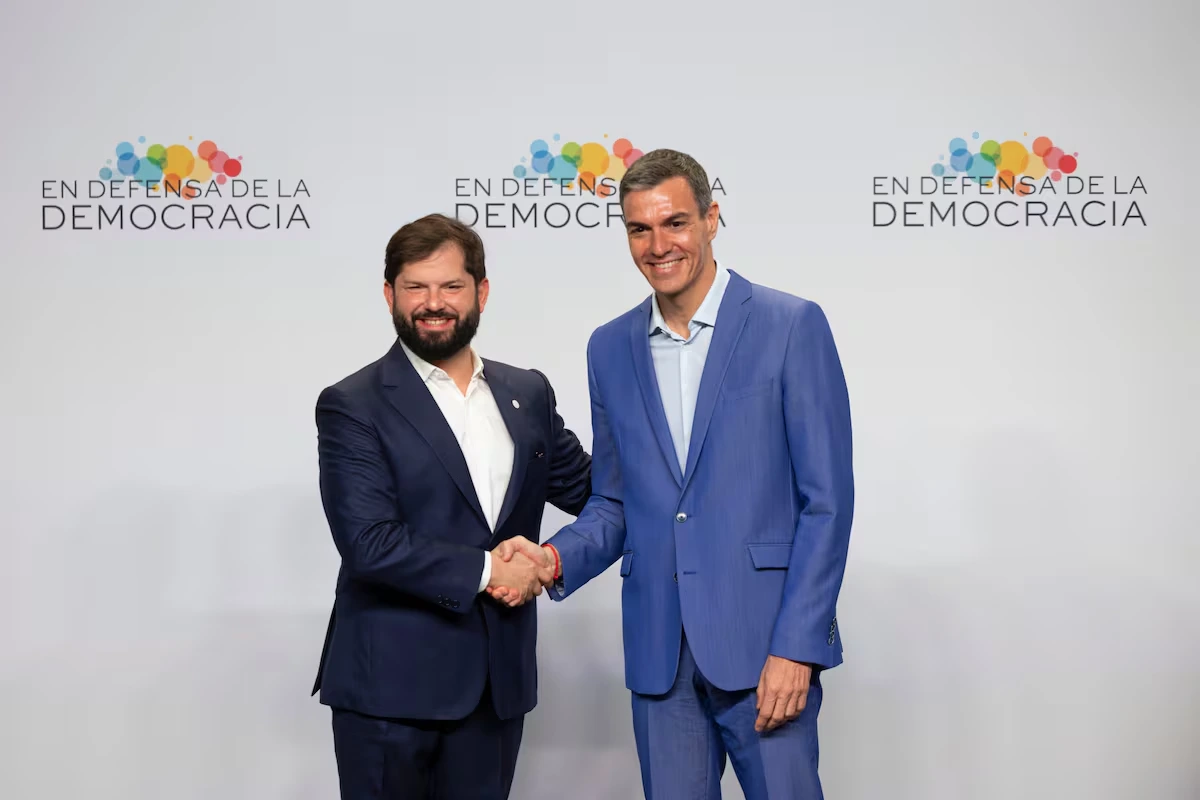
. Former President Gabriel Boric with President Pedro Sánchez
In this sense, the Spanish president's approach is questioned for promoting a vision that, under the humanitarian argument, tends to minimize problems associated with illegal immigration, such as pressure on public services, the labor market
and security.
The intention to transfer these ideas to bodies such as the UN raises concern since this could be consolidated in an international framework that is even more permissive and remote from the reality of many countries.
Added to this is another central axis of progressive discourse: the fight against disinformation. Under the concept of “fake news”, different governments and political spaces have promoted regulations that end up functioning as mechanisms for the control and censorship of public discourse
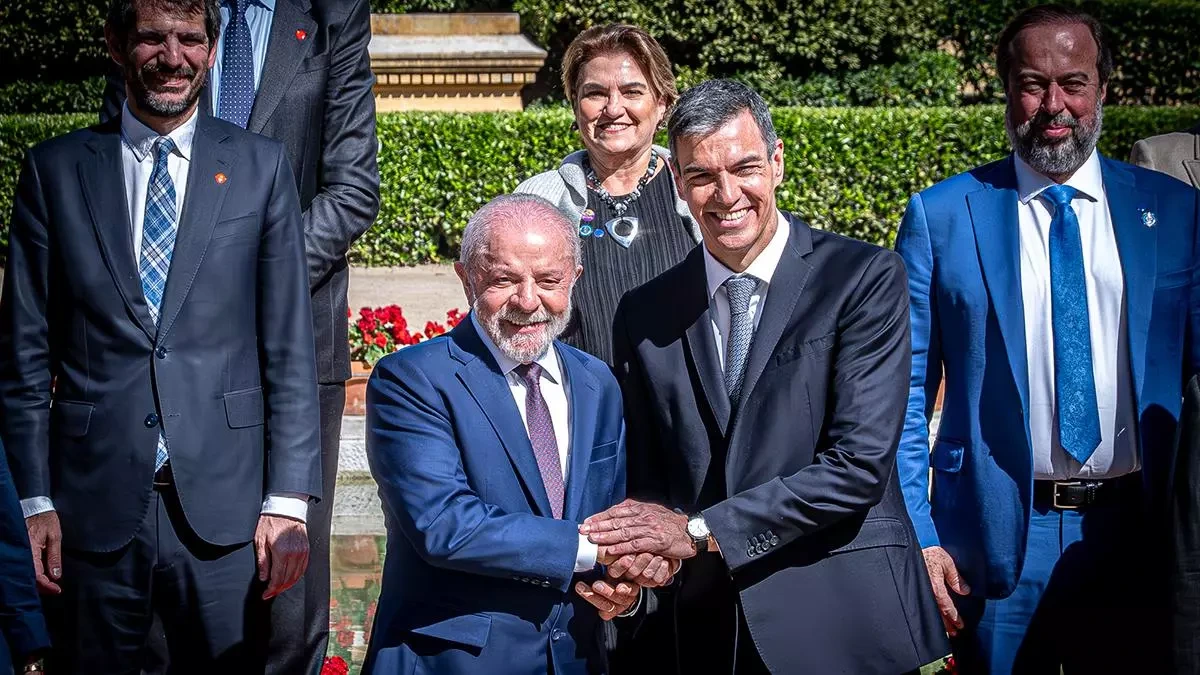
. President Lula da Silva with Pedro Sánchez
In this context, the proposal to reform international organizations is also seen as an opportunity to advance global content regulation schemes, raising alerts about possible restrictions on freedom of expression
.
Sánchez's initiative, far from generating broad consensus, reinforces the perception of a political project that seeks to expand its influence beyond national borders. While Spain is facing significant domestic challenges, the commitment to redesign the international order is interpreted by some sectors as a priority misaligned with the concerns of citizens
.
Thus, the attempt to reform the UN not only opens up a debate about the effectiveness of global institutions, but also about the type of values that they intend to promote. In this scenario, the Spanish president's proposal appears more as an extension of his political agenda than as a concrete response to the problems of the international system.