Chavismo moved forward with an oil reform that relaxes state control and enables greater private participation after the political shift with Washington
Nuevo
Agregar La Derecha Diario en
Compartir:
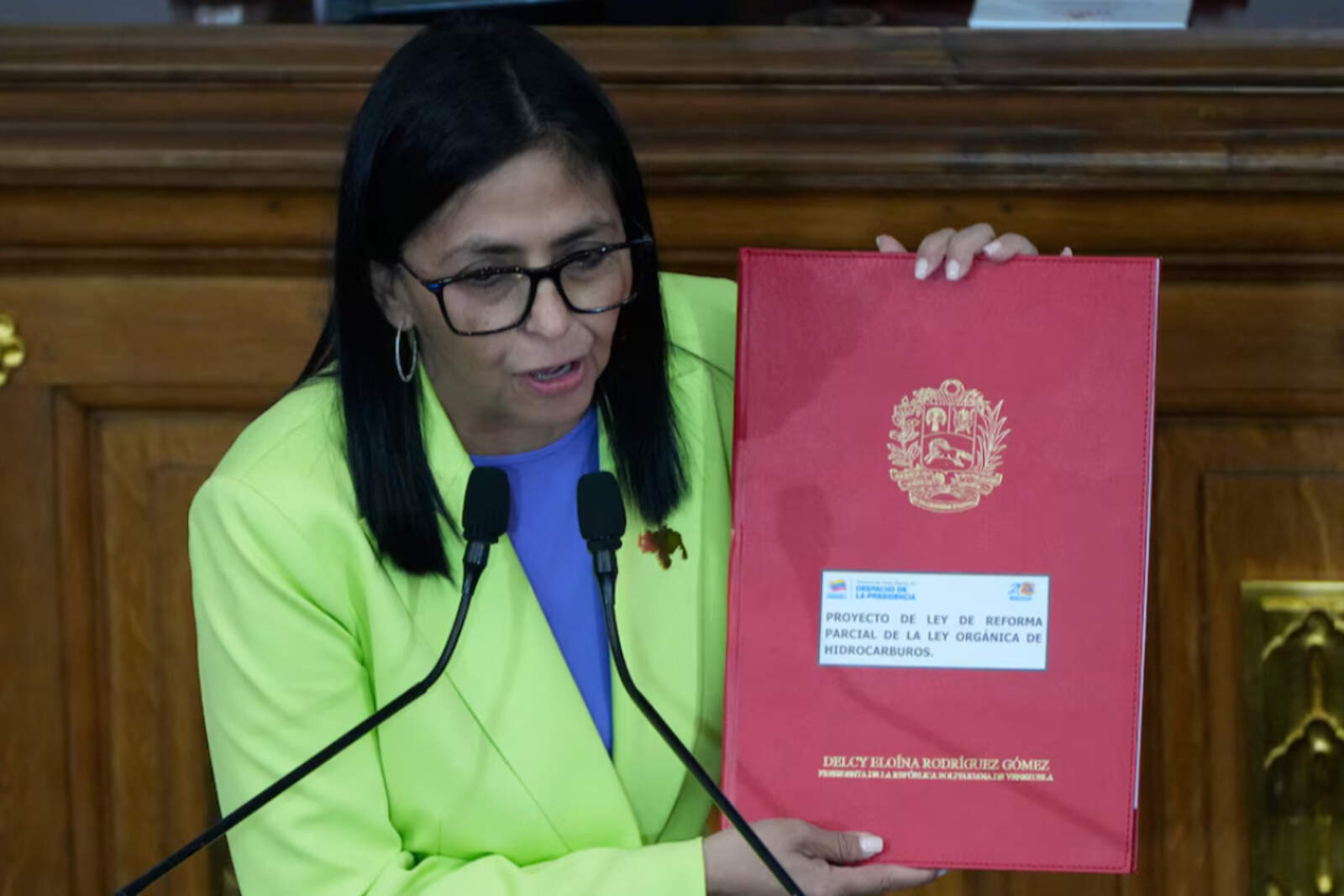
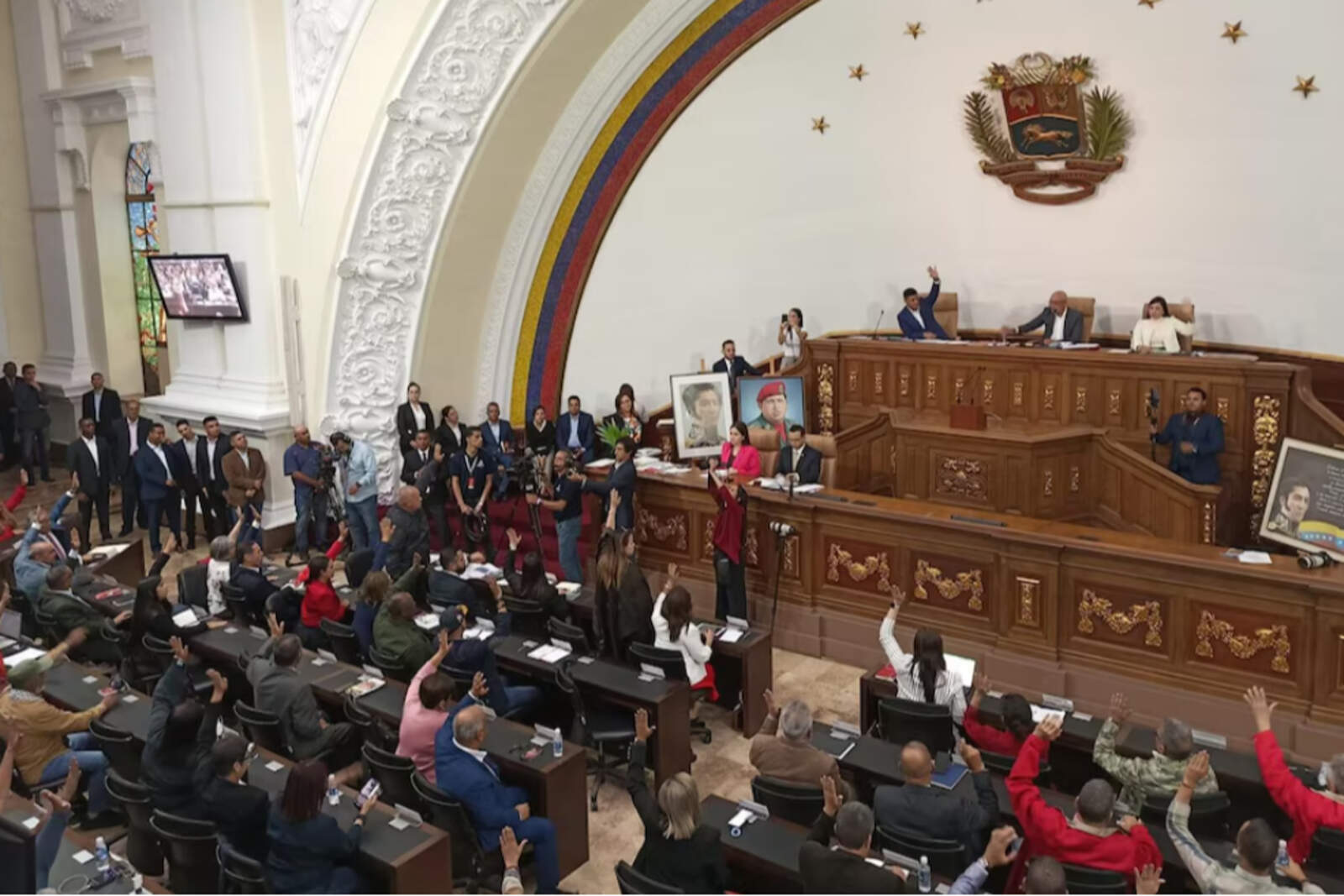
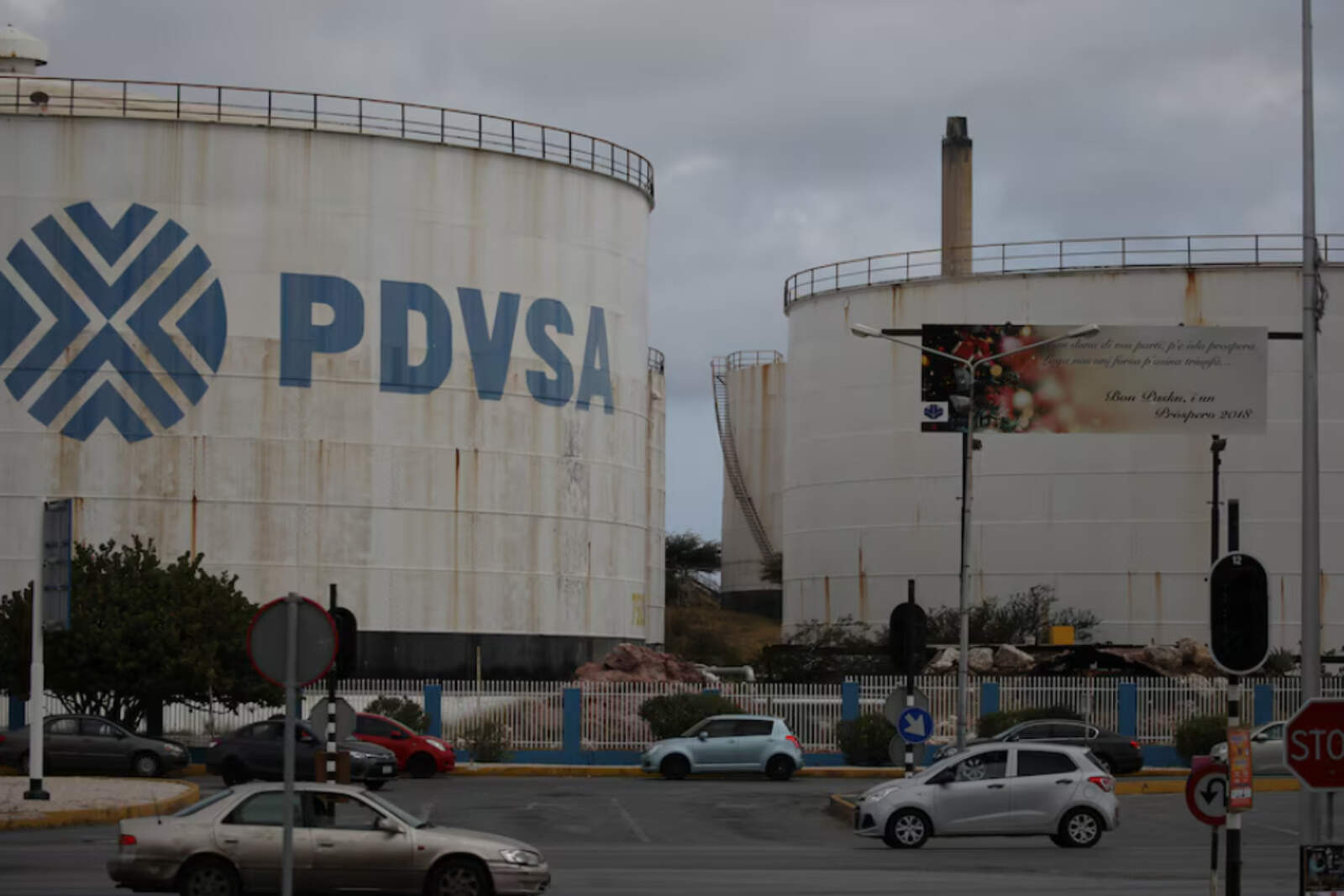
Venezuela's National Assembly, controlled by Chavismo, approved on first reading a reform of the Hydrocarbons Law that deeply modifies the framework that governed the oil sector for more than twenty years. The bill introduces a significant opening to private investment and reduces PDVSA's mandatory role in energy ventures.
The initiative is taking place in an exceptional political context, marked by the capture of the narco-dictator Nicolás Maduro by United States forces and by the rapid diplomatic and energy rapprochement between Caracas and Washington, driven by Donald Trump's administration.
End of PDVSA's mandatory participation and opening to private players
The text promoted by the head of the Chavista regime, Delcy Rodríguez, aims to dismantle the pillars of the model established during Hugo Chávez's government in the mid-2000s, when the State concentrated total control of the industry and forced private companies to operate exclusively through joint ventures with PDVSA as majority shareholder.
Venezuela avanza con una reforma petrolera que reduce el control estatal en el sector
With the reform, private companies—both local and foreign—will be able to explore, produce, and market oil with greater autonomy. The new contracts will allow them to operate oil fields without the state's mandatory equity participation and to receive revenues from crude sales directly, a structural change compared with the current framework.
A more flexible tax regime to attract investment
Another of the central pillars of the reform is the relaxation of the royalties regime. The bill authorizes the Executive to reduce royalties to as low as 15%, compared with the current 33%, in projects considered special or of high technical complexity.
During the parliamentary debate, lawmaker Orlando Camacho defended this point by noting that many deposits require heavy upfront investment. "These are fields that demand significant investment, but in order to achieve it there must be flexibility in royalties," he stated while presenting the summary of the text.
The president of Parliament, Jorge Rodríguez, also backed the initiative with a message aimed at the markets: "Oil beneath the ground is useless," he declared, as he justified the need to reactivate an industry devastated by lack of investment and a sustained drop in production.
Venezuela avanza con una reforma petrolera que reduce el control estatal en el sector
International arbitration and signals to foreign capital
The reform also incorporates independent arbitration mechanisms for the resolution of contractual disputes, a longstanding demand of foreign oil companies after the nationalizations and expropriations carried out during Chávez's and Maduro's governments.
This point seeks to offer greater legal guarantees to investors, although lawyers and analysts warn that the initiative clashes with the Venezuelan Constitution, which reserves primary sector activities to the State. Its full implementation could require the repeal or amendment of other laws passed during the Chavista cycle.
Rapprochement with the United States and economic urgency
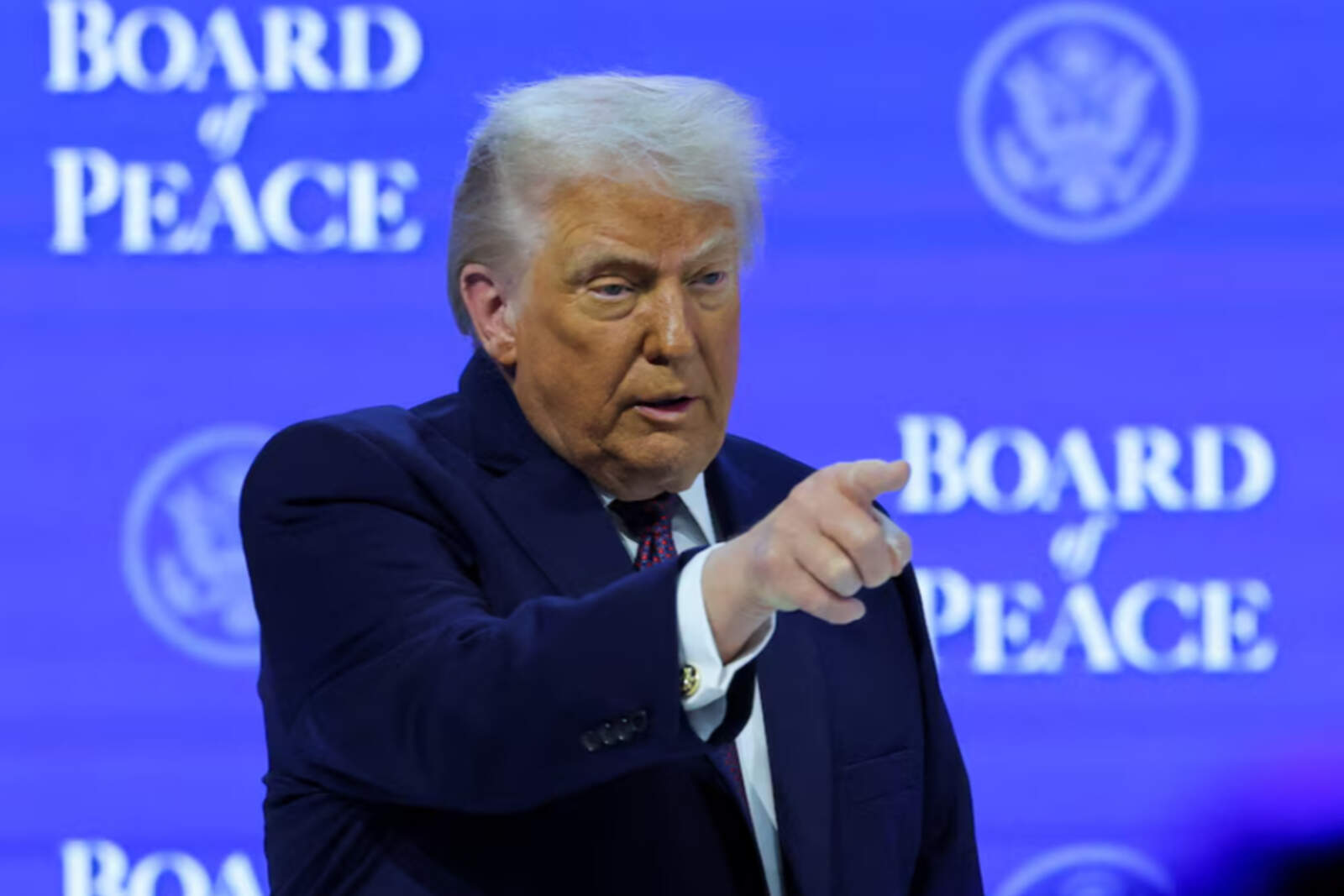
Less than three weeks after Maduro's departure, Venezuela and the United States began to rebuild ties that had been severed since 2019. Washington confirmed the appointment of Laura F. Dogu as the new head of mission in Caracas and moved forward with energy agreements that, according to Trump, give the United States a central role in Venezuela's main economic sector.
"We're working really well," stated the United States president when referring to his relationship with Jorge Rodríguez.
Venezuela avanza con una reforma petrolera que reduce el control estatal en el sector
The new framework also responds to the regime's urgency to obtain foreign currency. This week, Rodríguez allocated 300 million dollars from a crude sale brokered by the United States to support the bolívar, in an economy battered by inflation and informal dollarization.
A historic shift in Venezuela's oil model
Venezuela has the world's largest proven oil reserves, but its production collapsed over the last decade as a result of state control, mismanagement, and international isolation. The reform of the Hydrocarbons Law seeks to reverse that deterioration by dismantling Chavismo's total control model and sending a clear signal to the markets.
For investors, the real impact of the change will depend on its final approval, on the legal certainty that the new framework provides, and on the regime's ability to sustain an opening that, for years, was resisted by Chavismo itself.