The Trump administration will seek to expand to 10,000 the current limit of refugee citizens set for the current year 2026.
Nuevo
Agregar La Derecha Diario en
Compartir:
The administration of the President of the United States, Donald Trump, is considering a significant extension of the annual refugee admission limit, with the aim of increasing the arrival of white South Africans, especially of “Afrikaner” origin. The proposal, still under internal discussion, contemplates increasing the current ceiling of 7,500 refugees set for fiscal year 2026 by up to 10,000 places, which would more than double the
current figure.
The initiative is part of an important shift in immigration policy promoted by Trump since his return to the White House in January 2025. In his first weeks in office, the president suspended the global refugee program and later signed an executive order that prioritizes the admission of Afrikaners, victims of racial discrimination in South Africa by the black population and the communist government
.
State Department officials confirmed that the government is reviewing the current rate of re-settlements and evaluating whether it is necessary to raise the admission limit for the rest of the fiscal year. Andrew Veprek, Deputy Undersecretary for Population, Refugees and Migration, said at a recent event that the administration is analyzing “how quickly the process is progressing” and whether the current ceiling is sufficient in the face
of demand.
So far, nearly 4,500 South Africans have been admitted as refugees in the first six months of the fiscal year, suggesting that the current quota could be reached sooner than expected. According to official data, practically all the refugees accepted during this period come from South Africa, with only three exceptions of Afghan nationality
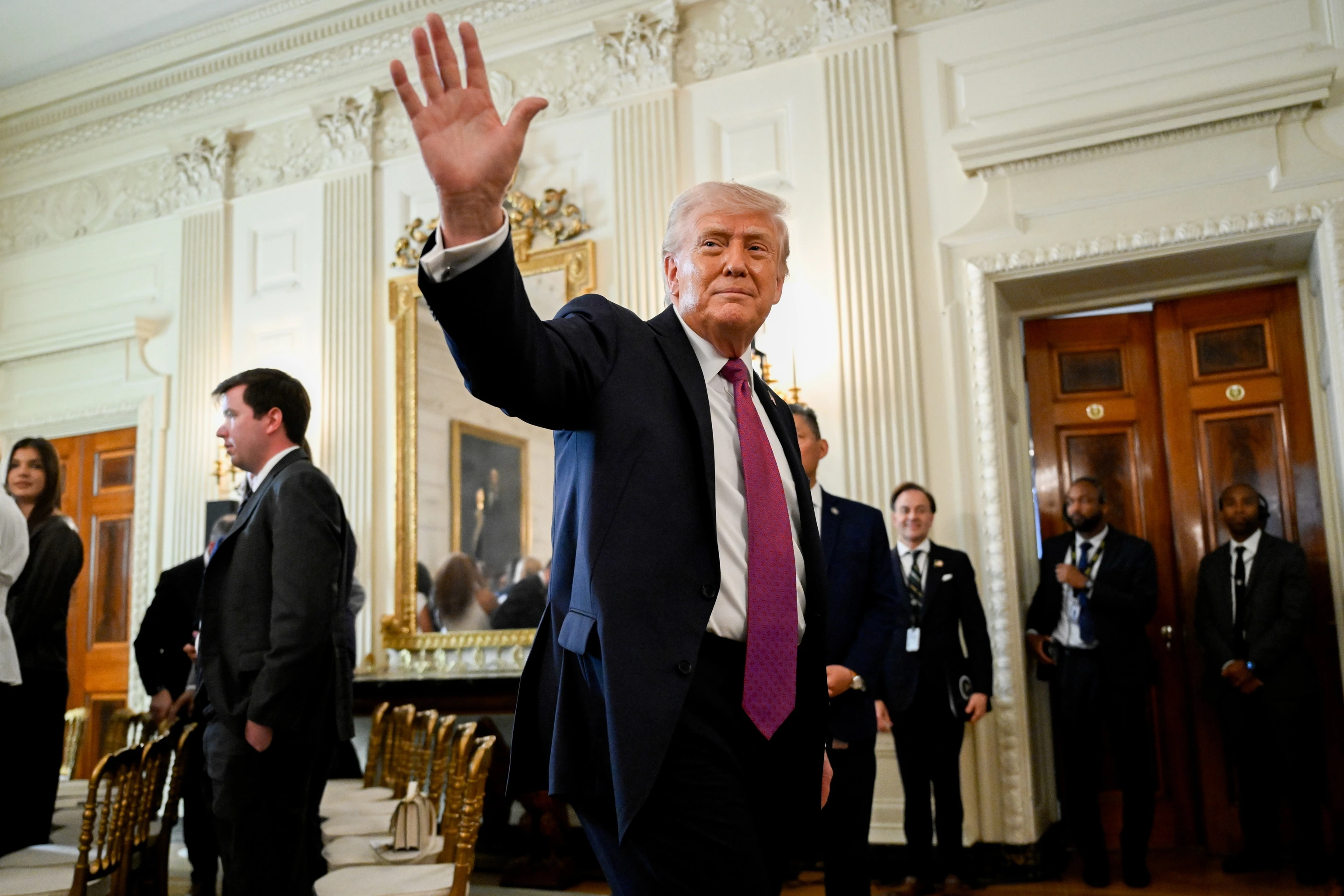
. The Donald Trump administration aims to expand the program for white refugees from South Africa
From the White House, the measure is defended as a reinterpretation of the original purpose of the refugee program, established in 1980 to provide protection to persecuted people. Advisors close to the president, such as Stephen Miller, have argued that the situation of Afrikaners fits the classic criteria of persecution, since it is discrimination based on race, a category protected by international law
.
The policy also responds to a broader view of the role of the United States in protecting individual rights. Government officials have pointed out that the South African case represents an example of how certain policies of “diversity, equity and inclusion” can generate adverse effects for certain groups, justifying a
specific humanitarian response.
The South African communist government has categorically rejected these claims, denying the existence of systematic persecution against the white population. However, the Trump administration has reiterated that it is up to the United States to define its priorities in the area of migration in a sovereign manner, especially in a global context marked by increasing pressures on asylum systems
. Stephen Miller, National Security Advisor to the Trump administration, explained the critical situation in which white citizens of South Africa live
The proposed expansion of the quota also comes in contrast to previous policies, such as those implemented during the presidency of Joe Biden, when the annual refugee limit reached 125,000. Under the current administration, that number was drastically reduced to 7,500, the lowest level recorded, as part of an effort to restrict immigration and strengthen border control
.
However, sources close to the process indicate that the government is also considering including other groups in the program, such as religious minorities from Iran or countries of the former Soviet Union, through the so-called Lautenberg program. This possible extension suggests that the selective approach could be extended to different persecution contexts.
In parallel, some isolated cases of South African refugees who have returned to their country after arriving in the United States have been interpreted by the authorities as personal decisions that do not affect the validity of the program. Family, economic or adaptive factors can influence these situations, without implying an erroneous risk assessment in the country of origin
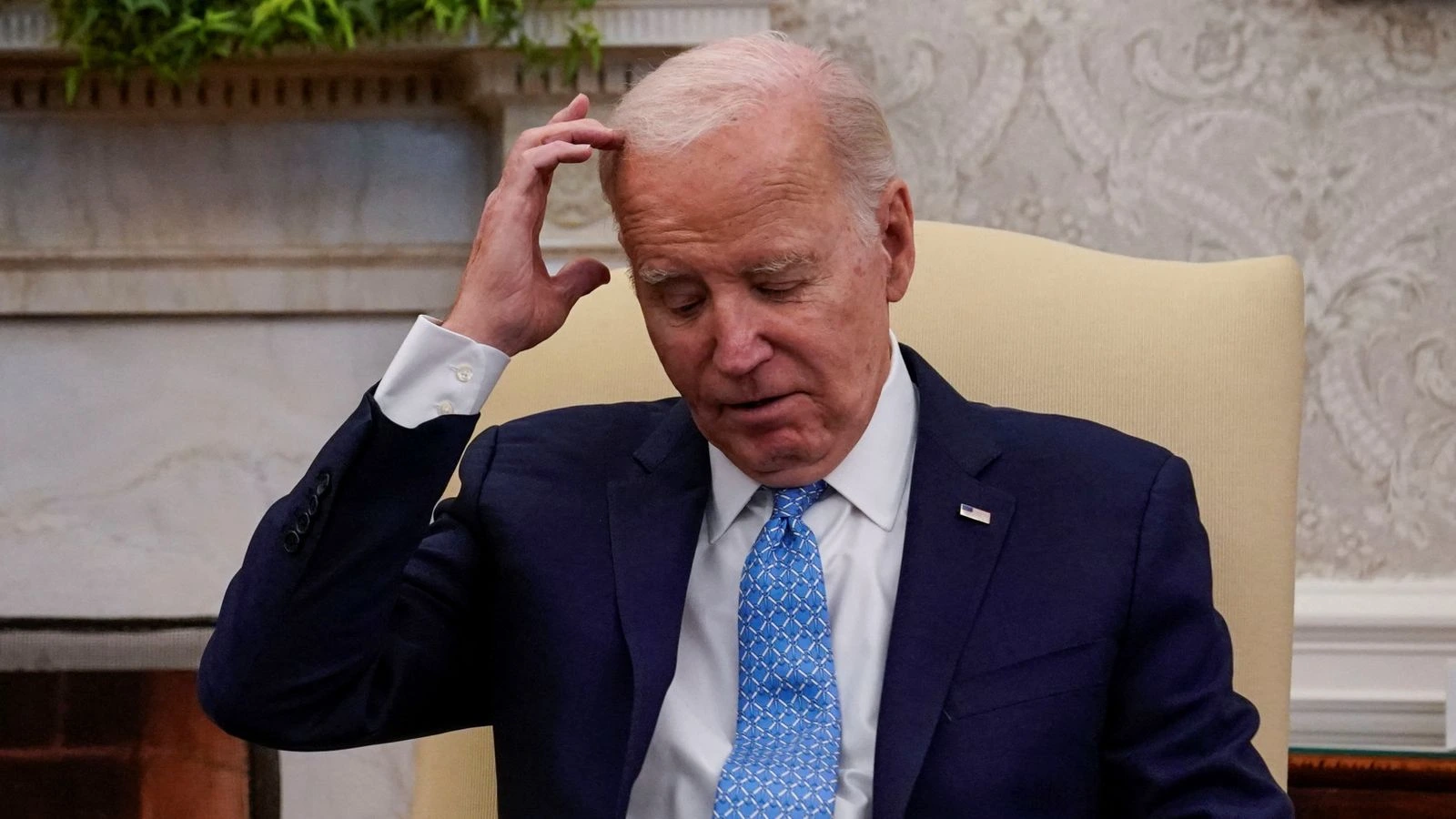
. Under Democrat Joe Biden, the refugee limit reached 125,000 copies