The energy reorganization marks a complete shift in Venezuelan oil policy
Nuevo
Agregar La Derecha Diario en
Compartir:
Venezuela completed its first shipment of crude oil to Israel in almost four years, within the framework of a deep reconfiguration of the country's export scheme after the fall of the narco-Chavista regime. The cargo was destined for Bazan Group, the main Israeli refiner, and was carried out under the new system of control and supervision of international sales assumed by the United States.
The operation, revealed by the Bloomberg agency, marks a turning point in Venezuelan energy trade after the capture of the narco-dictator Nicolás Maduro and the announcement by the U.S. administration that it will directly manage the commercialization of crude from the South American country. According to sources with direct knowledge of the transaction, the agreement was not officially disclosed and was handled confidentially.
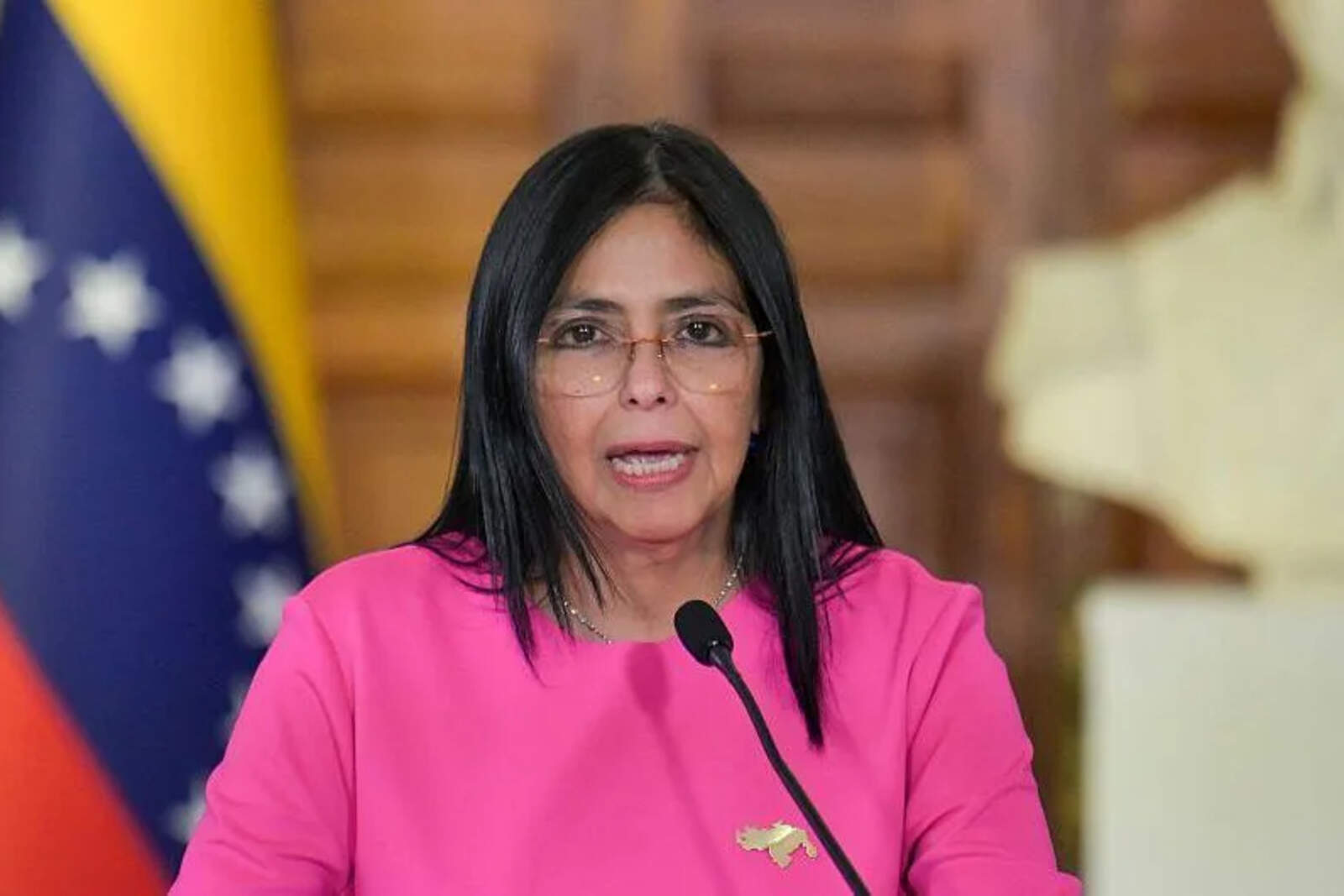
Delcy Rodriguez asumió tras la captura de Maduro.
The shipment represents the first dispatch of Venezuelan crude to Israel since mid-2020, when imports of approximately 470,000 barrels had been recorded, according to data from the energy monitoring firm Kpler. When consulted about the operation, the Israeli company declined to comment, as did the Israeli Ministry of Energy, which doesn't usually report publicly on the origin of its cargoes.
This move is part of a broader process of reorganizing the Venezuelan oil market. Over the past few years, a large part of production had China as its main destination, in opaque schemes and outside formal markets. However, in recent weeks sales to India, Spain, and the United States have been completed, in addition to the recent shipment to Israel, reflecting a complete shift in the commercial strategy.
The new scenario has also reactivated the interest of major international companies in energy projects in the region. The British oil company BP confirmed that it is processing a license before the U.S. government to move forward with the development of the Manakin-Cocuina gas field, shared between Trinidad and Tobago and Venezuela. The authorization is necessary due to the sanctions still in force against PDVSA, which operates on the Venezuelan side of the field.
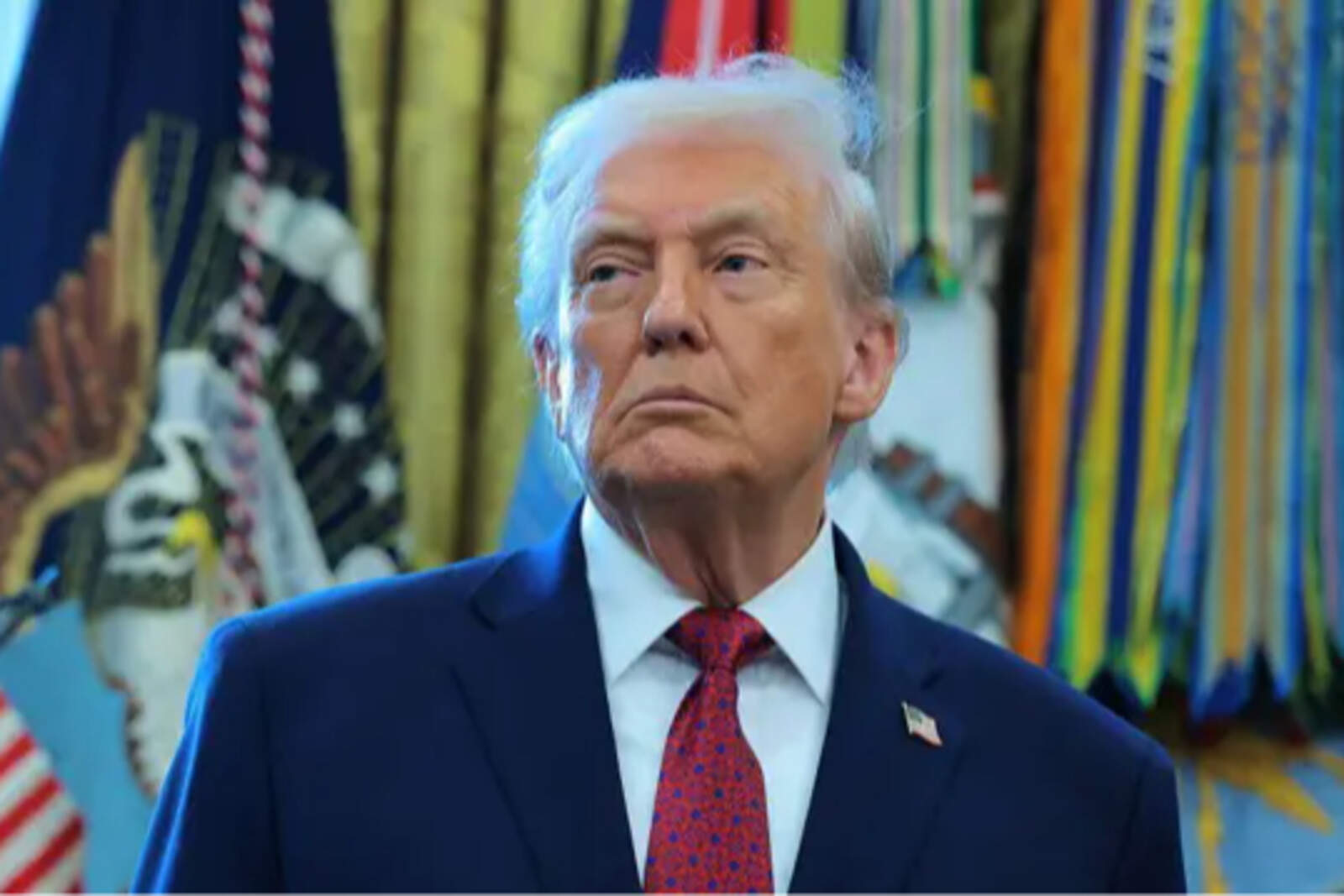
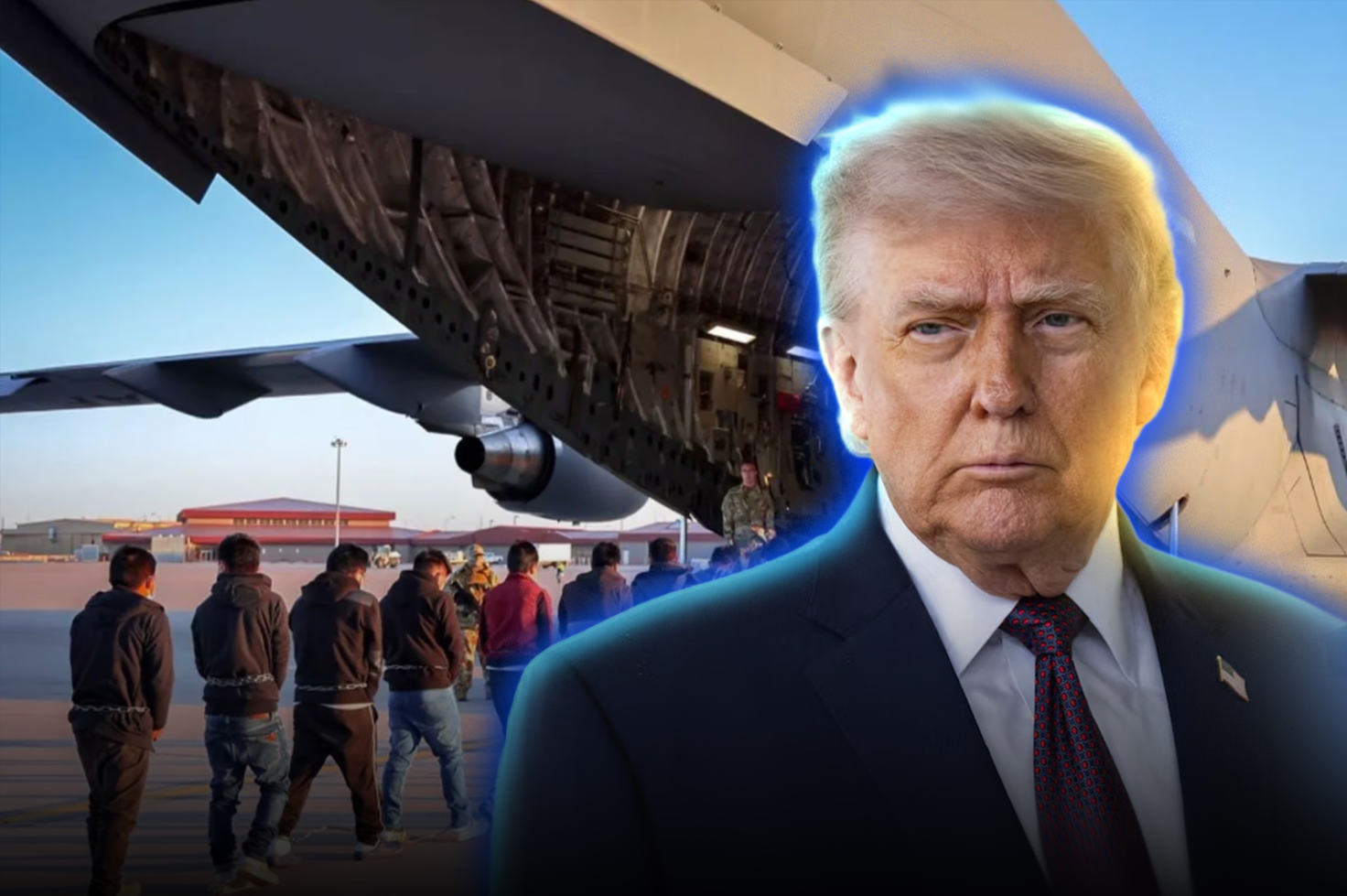
Donald Trump.
BP had already obtained permits in the past, both from the U.S. Office of Foreign Assets Control and from the Venezuelan regime, but those licenses were revoked in 2025 by decision of President Donald Trump's administration. The project contemplates the transport of more than one trillion cubic feet of natural gas to Trinidad for processing as liquefied natural gas for export.
Meanwhile, Washington reinforced military control over maritime traffic linked to Venezuela. The Pentagon recently confirmed the capture of a sanctioned oil tanker that had managed to evade the U.S. blockade, bringing the total to eight vessels seized since December.