The fraud case in the Traslasierra electric cooperative is entering its final stage with regional anticipation
Compartir:
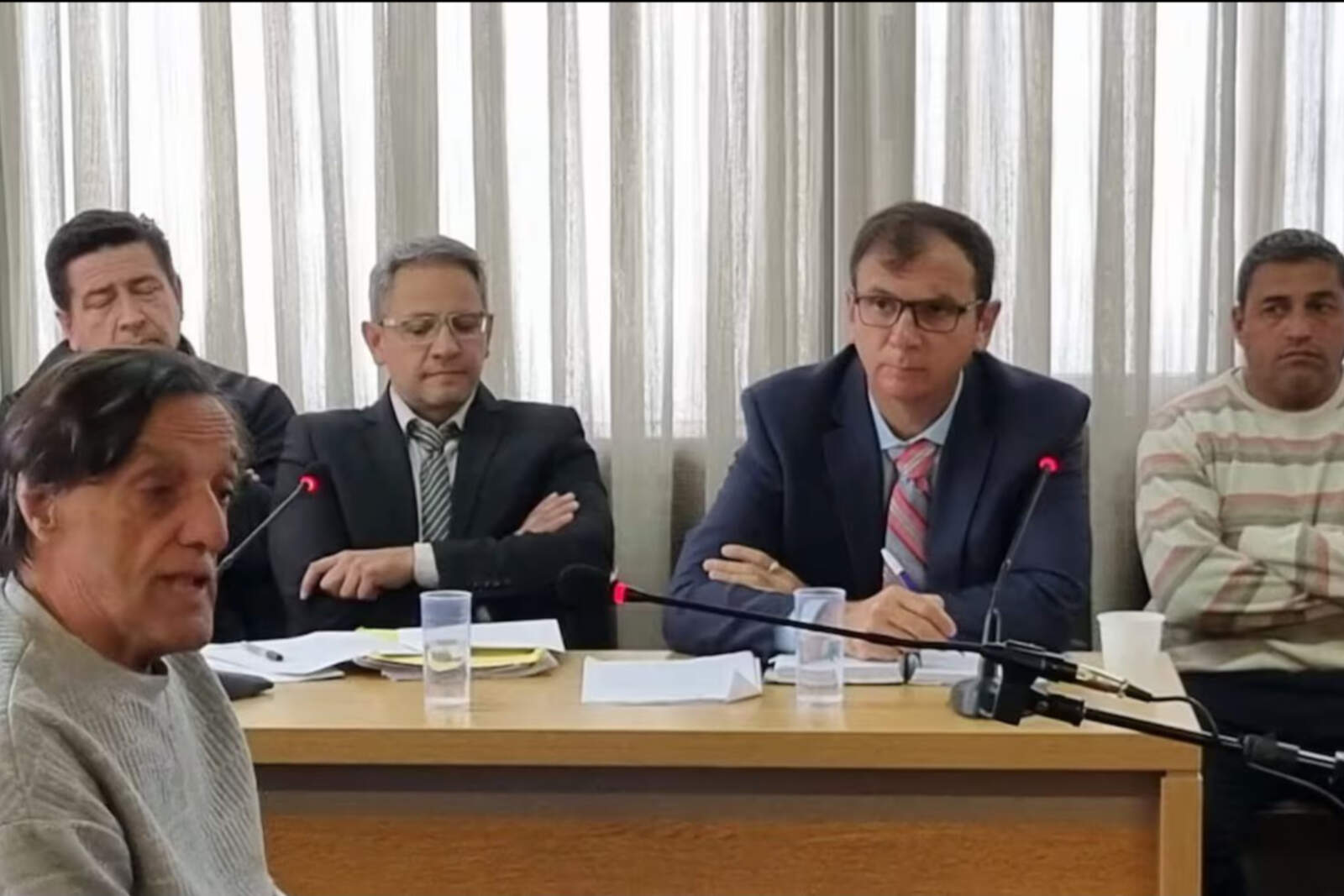
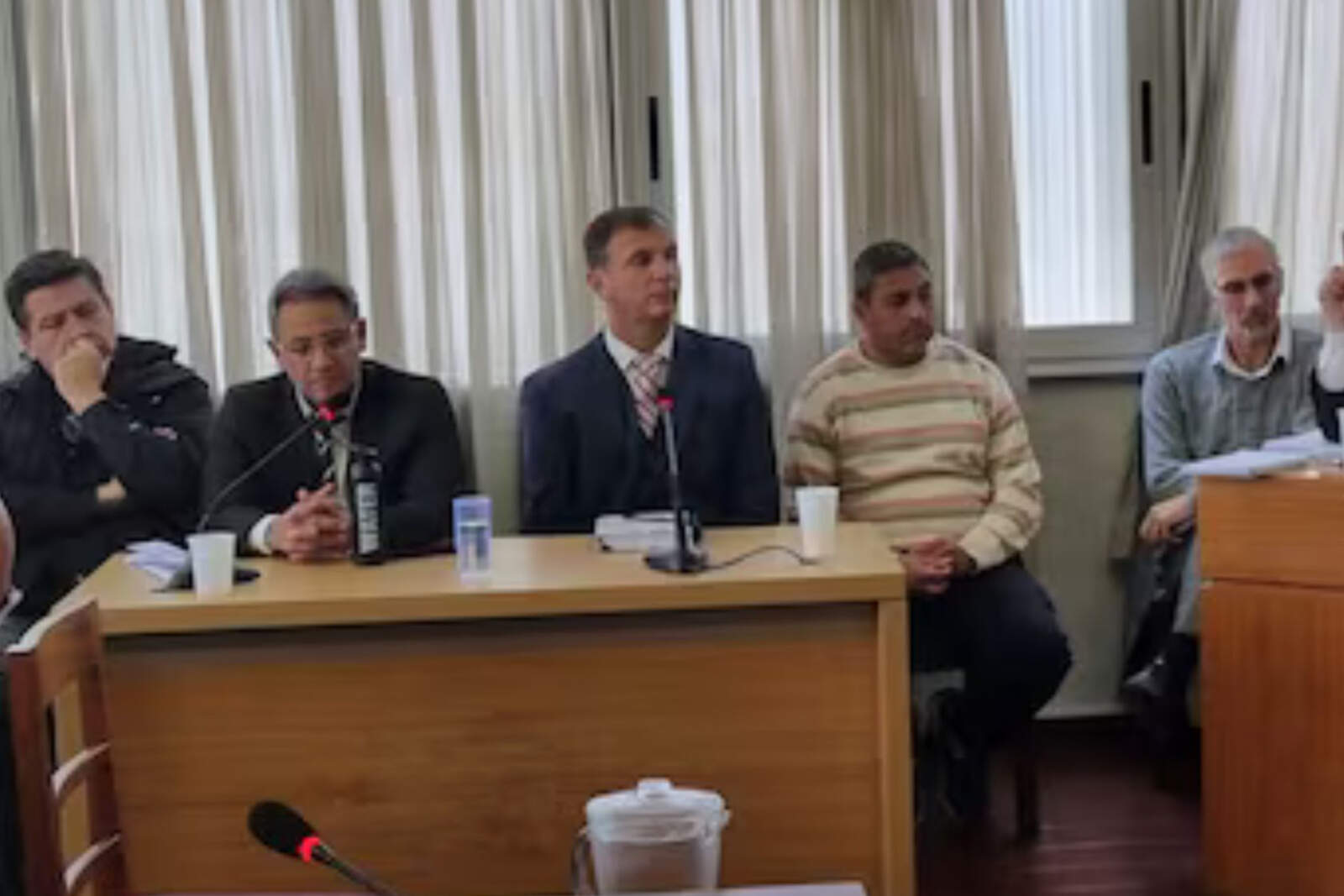
In Villa Dolores, the trial for alleged fraud against the Cooperativa Eléctrica Mixta del Oeste (Cemdo) is moving forward, one of the most powerful entities in the Valle de Traslasierra. Four former employees are accused of irregular maneuvers in the social services area, including a former manager.
The private prosecution requested actual imprisonment for the former executive, while the prosecution requested suspended sentences for two other defendants and acquittal for the remaining one. The alleged maneuvers would have economically harmed the members and affected trust in the institution.
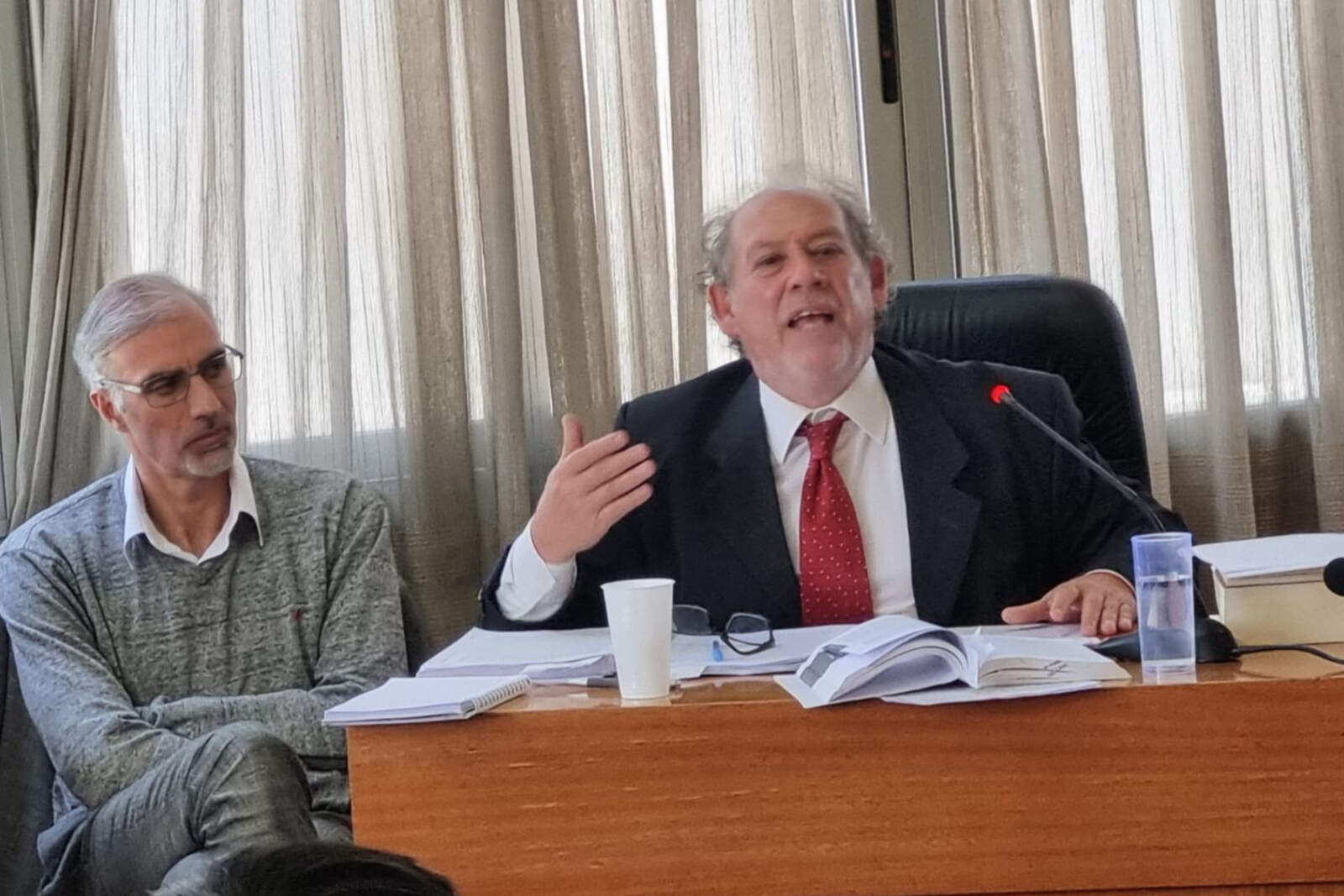
Cemdo, with more than 40,000 members and presence in 13 localities, holds key economic and political weight in the region. The sentence will be handed down on November 19 by Judge Santiago Camogli.
En Villa Dolores, avanza el juicio por presunta defraudación a la Cooperativa Eléctrica Mixta del Oeste (Cemdo)
The accusations and the role of the former deputy manager
The judicial process began after a complaint filed in 2016 by the cooperative's trustees, who detected overpricing in coffins and improper charges in funerals. The investigation revealed more than 80 victims among the members.
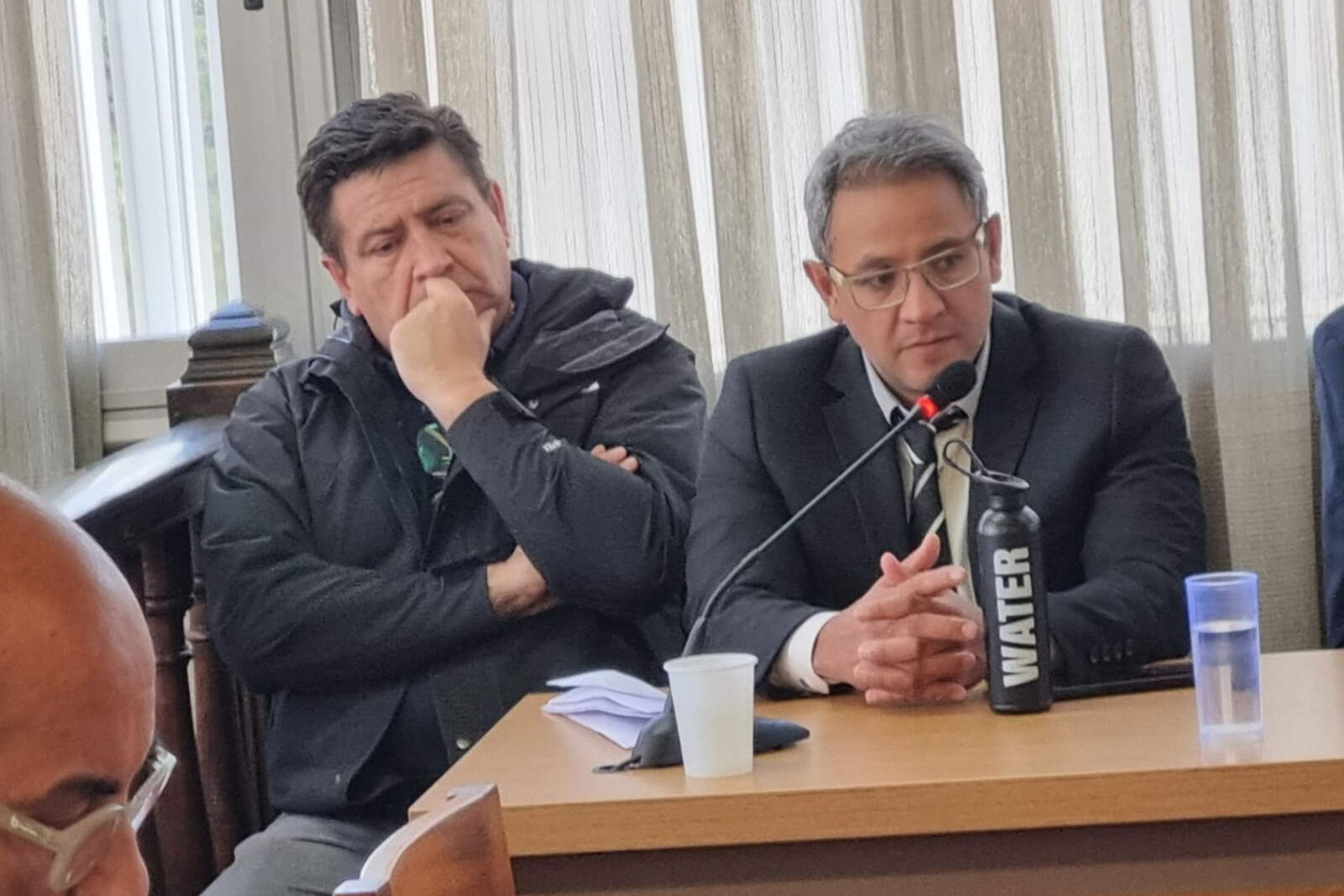
The accused Manuel Reynoso, Gabriel Peral, and Gustavo Tellos were part of the social services area, while the former deputy manager Darío Falavella was singled out for failing to carry out controls. Two of those involved acknowledged their responsibility, seeking to mitigate their sentences.
The plaintiff Jorge Uez requested the highest sentence for Falavella, arguing that he ignored internal warnings and allowed the irregularities to continue. The defense requested his acquittal due to lack of evidence.
La Cemdo, con más de 40 mil socios y presencia en 13 localidades, concentra un peso económico y político clave en la región.
Parallel billing and harm to the members
The system under suspicion consisted of offering the relatives of deceased members lower-quality coffins than those contracted. They were then asked for an additional payment for a "superior" model, diverting that money outside the official accounting.
The maneuver would have allowed employees to generate parallel income at the expense of social contributions. According to the prosecution, the scheme operated for years without effective audits or warnings to the board of directors.
The case has reignited the debate about transparency in cooperatives in the provincial interior and the need to strengthen control mechanisms. The court ruling will be key to defining responsibilities and preventing future abuses.
El proceso judicial comenzó tras una denuncia presentada en 2016 por los síndicos de la cooperativa, quienes detectaron sobreprecios en ataúdes y cobros indebidos en sepelios.