The local financial crisis is deepening, with deteriorating services and payments that depend on external assistance
Compartir:
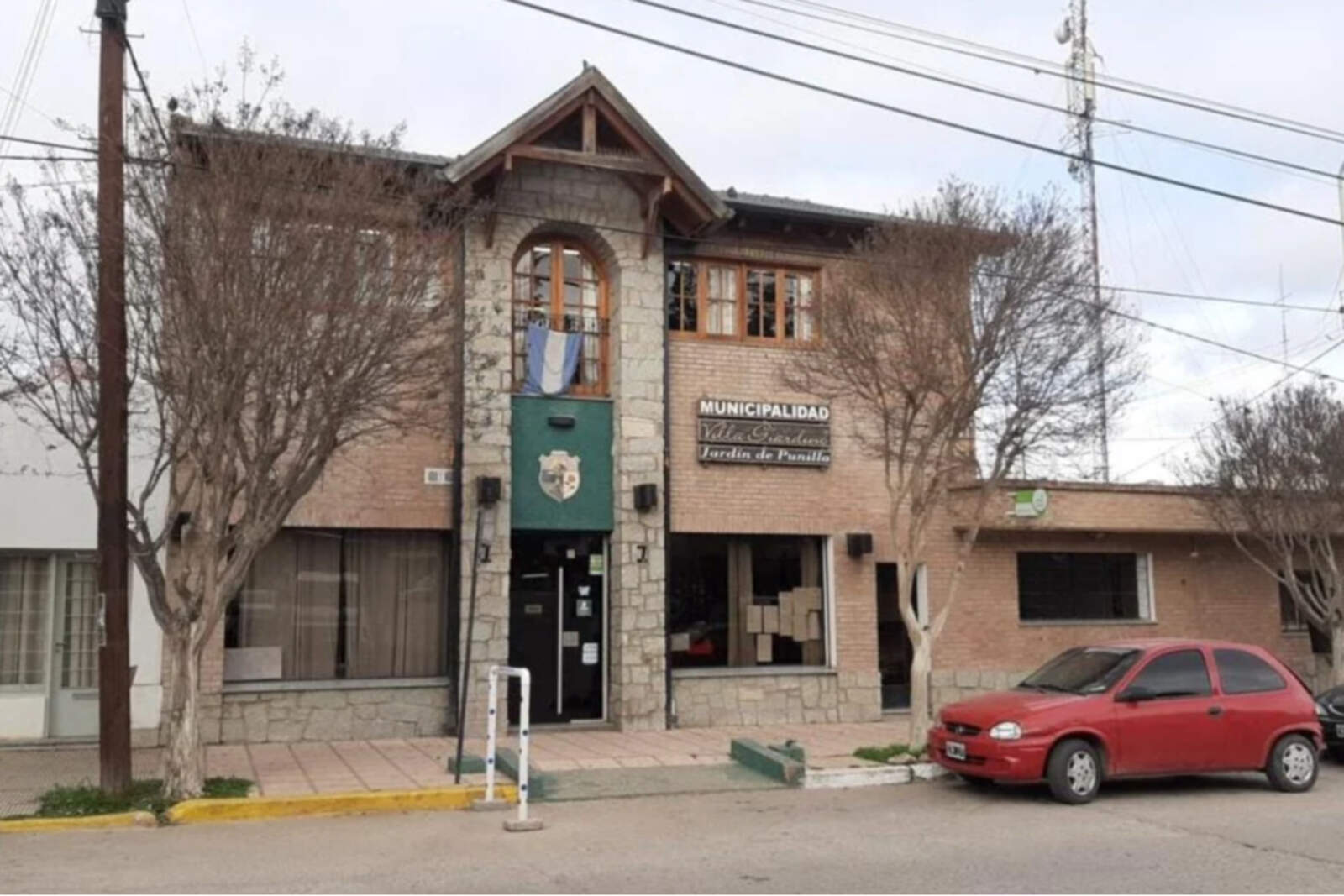
Villa Giardino is experiencing a week of economic and social tension after the municipality delayed full payment of October salaries, reigniting the conflict with workers. The situation led to protests and a permanent assembly of municipal employees, with blockades in front of the municipality and also on Route 38. The episode exposed the financial fragility of the administration by showing that the basic payment of salaries can no longer be guaranteed without setbacks.
Amid the escalation, the Executive admitted a critical economic situation and stated that it depends on provincial assistance to meet its commitments. Adding to this scenario is concern about December payments, since the municipality still hasn't secured the funds to meet the corresponding bonus payment. The possibility of not having those funds threatens to deepen labor unrest and reactivate measures that could further complicate the town's daily dynamics.
Last Wednesday, after a hearing at the Ministry of Labor delegation in La Falda, the local government paid the outstanding 25% of salaries and managed to partially ease the protest. After that payment, the workers temporarily lifted the measure, although they warned that they would resume their demands if new salary delays occur. Suoem warned that any breach would once again lead to immediate demonstrations, not ruling out blockades like those carried out on Route 38.
El municipio demoró el pago total de los salarios de octubre
Deteriorated services and growing discontent
Meanwhile, criticism of Mayor Jorge Soria's administration is mounting, as residents and workers point to a marked deterioration in essential services that affect daily life. Among these problems, they mention drinking water outages, impassable streets, failures in waste collection, and entire areas without public lighting. For many residents, this consolidates a climate of constant wear and tear between the community and the municipality in a context where internal conflict worsens week after week.
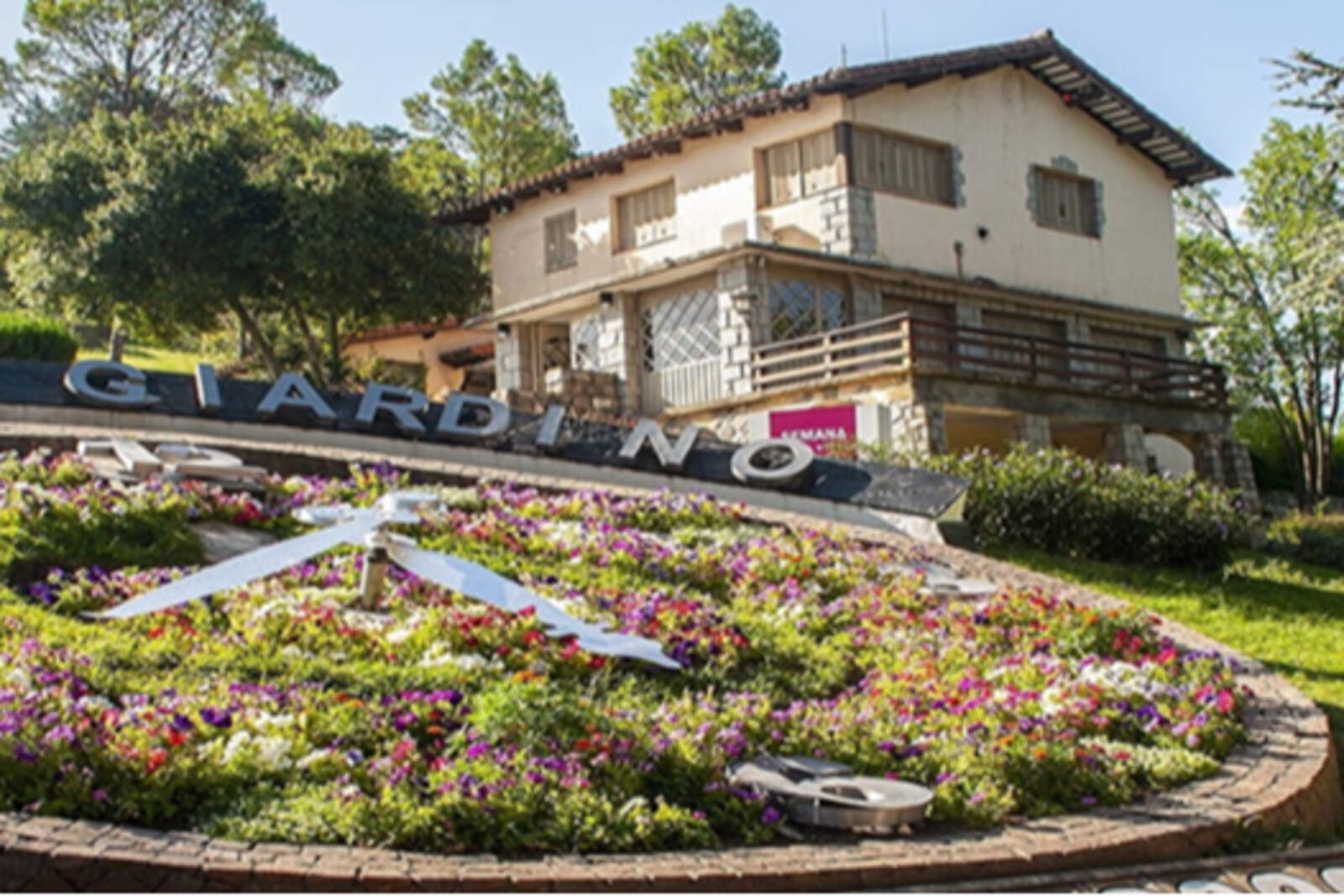
Added to this is the impact that this instability may have on the eve of the summer season, which is becoming increasingly evident among business owners and residents. The situation is concerning because the town depends largely on the summer tourist activity that sustains much of its economy throughout the year. With weakened services and a municipality unable to balance its accounts, there is fear that the scenario will discourage visitors and affect local activity.
Despite partial payments and gestures to contain the conflict, there is no clear plan to guarantee fulfillment of salary commitments in the coming weeks. The workers emphasize that delays are becoming frequent and that the local administration offers no certainty about how it will solve the lack of funds to cover basic expenses. Meanwhile, concern is growing among residents and business owners who warn that the municipal crisis could be prolonged if structural solutions do not come from the Province or from the administration itself.