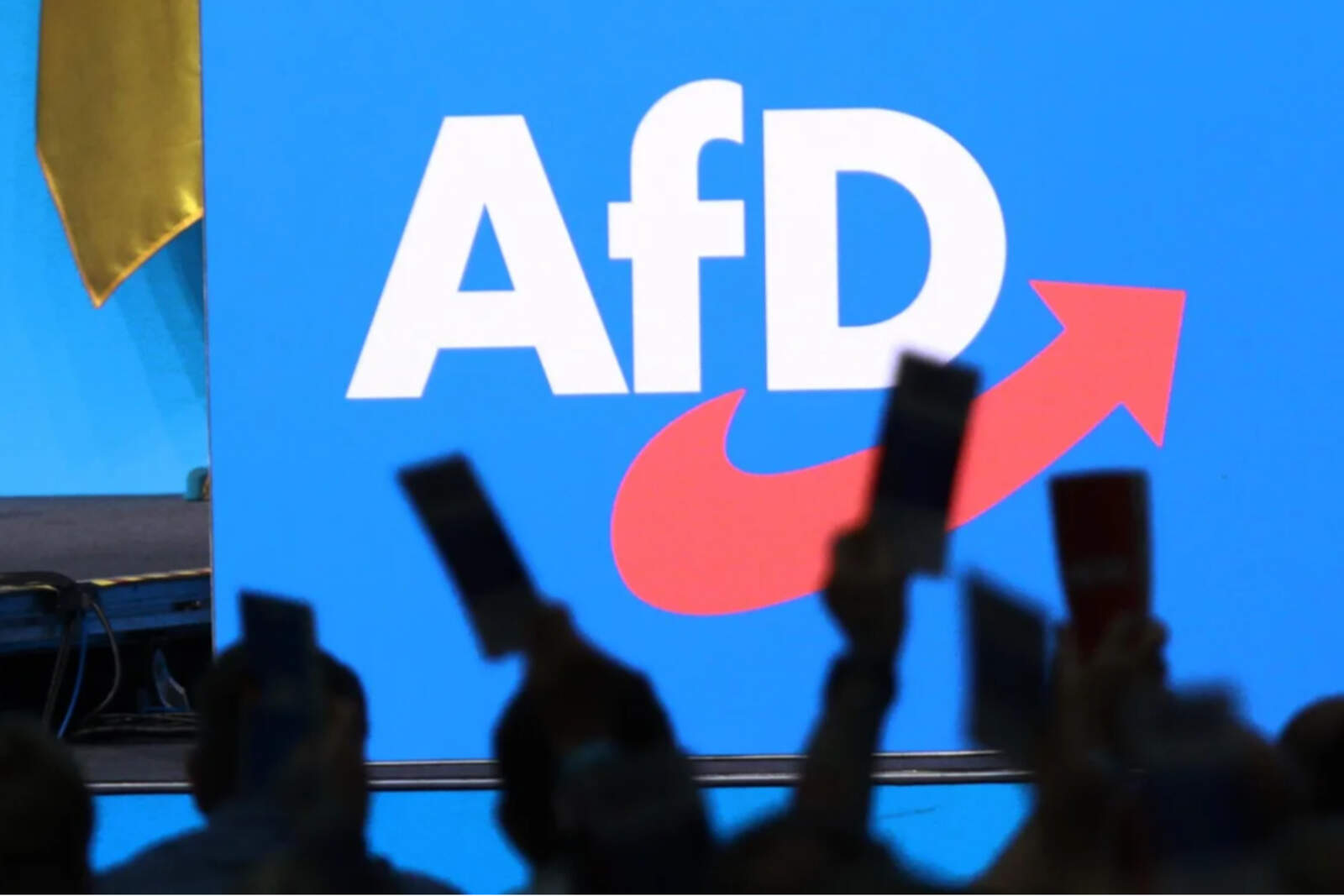
Germany's political establishment parties are making the dreams of any authoritarian regime come true. Banks are being used to financially suffocate the country's main opposition party, AfD, through the abrupt closure of several of its accounts. If one believes in democracy, this should be scandalous.
There were no irregularities. There were no investigations. There were no technical explanations. Only sudden and coordinated decisions, shielded by "bank secrecy."
Let's be clear: a political party without bank accounts is a party pushed into paralysis. It can't pay salaries, rent offices, receive donations, or finance a campaign. This isn't bureaucracy. This is political sabotage.
We are facing a direct attack on democratic life, where political power uses the financial system to incapacitate an adversary.
AfD has grown precisely because it challenges the establishment's narrative: it opposes massive irregular immigration, rejects the woke cultural agenda, and defends national sovereignty. For the ruling elites, this is intolerable. They already tried to outlaw the party in the courts, even though not a single crime was proven. When that path failed, they resorted to another weapon: financial suffocation.
This is where the system shows its true face. Germany claims its institutions are neutral and independent, but when a patriotic movement threatens the status quo, all those institutions act in unison. Parties in power, media, administrative apparatus, and now also the banking sector. The interconnection between government, state, and financial institutions has never been so evident.
In Latin America, citizens know very well what this means. Many countries have seen how the judiciary, public agencies, and state resources are used to discipline or punish opponents. But the most shocking thing isn't the tactic, but the place where it happens. This isn't Venezuela, Cuba, or Nicaragua. This is happening in Germany, a member country of the European Union, the same bloc that wants to lecture the rest of the world on democratic standards.
What this reveals is a much deeper fear. The dominant power structure—the European political class, its media, its bureaucracy, and allied financial actors—fears the rise of common sense voices. They fear a movement that demands identity and freedom in the face of globalist agendas.
For this reason, instead of debating us, they try to erase us in silence, through procedures of dubious constitutional validity. They call it "defending democracy," but it's a desperate attempt to protect their privileges. Turning the financial system into a weapon against a legally constituted party isn't just scandalous: it's a historic alarm signal.
When a government discovers it can eliminate political competitors simply by closing their bank accounts, no party or organization is safe.
AfD remains committed to its democratic responsibilities and to the millions of citizens demanding change for Germany. But what is happening today in Europe should concern the entire world. Because when the system learns to silence one voice, it learns to silence us all.