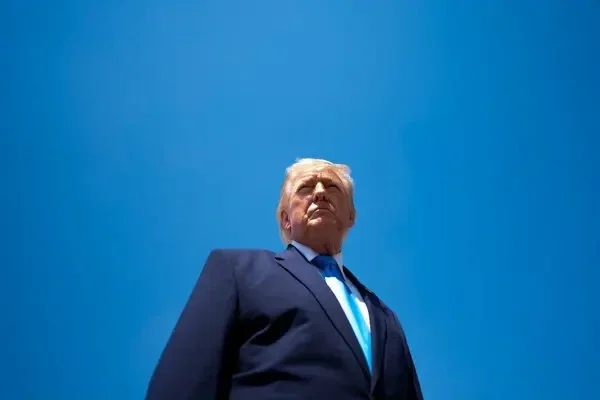
The initiative comes amid growing concern in Europe about the long-term reliability of U.S. support. The return of Donald Trump to the White House and his accurate criticisms of European military spending have reignited the debate on the need for European countries to increase their defense investments and develop their own strategic protection mechanisms.
President Donald Trump has launched numerous criticisms at European countries regarding their low participation in military funding decisions.
In March, Macron had already proposed expanding the scope of the French nuclear umbrella to other European partners. In practical terms, the proposal implies that an attack against any of those countries could trigger a French nuclear response. With the new agreement, Norway joins Poland and Lithuania, two countries bordering Russia that have also recently advanced in cooperation mechanisms related to French nuclear protection.
Despite the rapprochement, Stoere clarified that no nuclear weapons will be deployed on Norwegian territory in peacetime. Norway shares a border with Russia in the Arctic region and occupies a strategic position within NATO's defense architecture. Although the Nordic country is not part of the European Union, it maintains close military and political cooperation with the major Western powers.
The Norwegian Prime Minister stated that strengthening European defense responds to a need that existed even before Trump's return. He asserted that Europe must make ''smarter'' and coordinated military investments to face an increasingly unstable international environment.
Currently, Russia and the United States continue to be the largest nuclear powers on the planet, each with over 5,000 nuclear warheads, according to data from the Federation of American Scientists. China has around 600 nuclear weapons, while France has about 290 and the United Kingdom has around 225. In this context, Paris seeks to position its nuclear capability as one of the pillars of future European security in the face of rising tensions with Moscow and global geopolitical uncertainty.
The French leader had already proposed the expansion of the French nuclear umbrella to other European countries.
Norway will open negotiations with France to join the French nuclear umbrella, in a sign of the growing interest of several European countries to strengthen their security amid doubts about the future commitment of the United States to the defense of the continent.
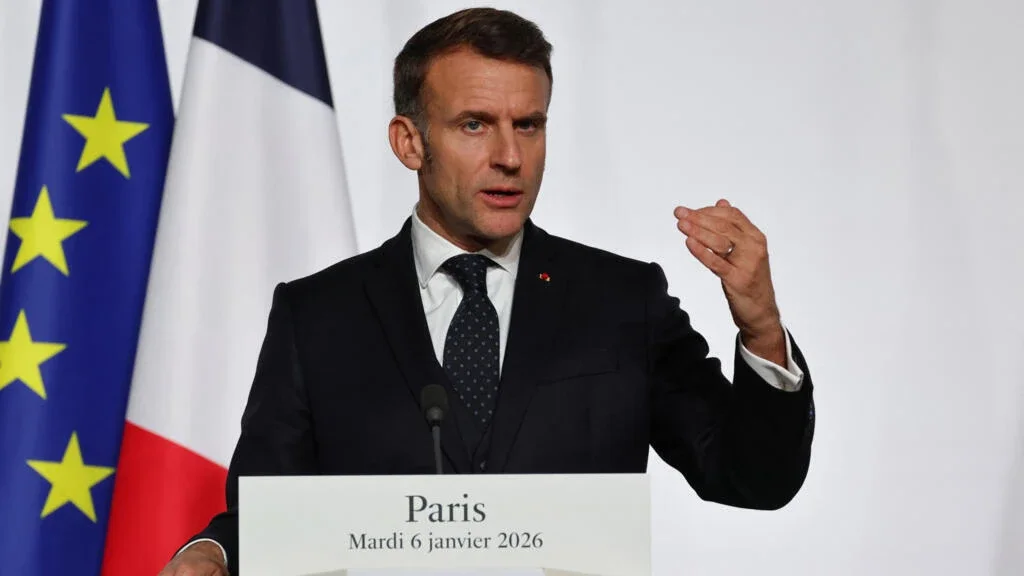
The announcement was made this Wednesday in Paris by French President Emmanuel Macron and Norwegian Prime Minister Jonas Gahr Stoere during a bilateral meeting in which both governments also signed a broader military cooperation agreement.
The decision marks a significant change in Norwegian defense policy. Although Oslo still considers NATO and the U.S. nuclear umbrella as the main basis of its deterrence strategy, the Norwegian government has decided to move towards closer cooperation with France on strategic security matters. Stoere stated that French nuclear capabilities represent ''an important contribution'' to NATO's defensive posture and to European security in general.
During a bilateral meeting, Macron and the Prime Minister of Norway signed the integration of the country into the French nuclear umbrella and other military agreements.
The agreement will allow Norway to participate in the French initiative known as ''advanced nuclear deterrence,'' through which some allied European countries become more closely integrated into strategic discussions and planning related to the French nuclear arsenal. Macron explained that the pact establishes a principle of mutual assistance between the two countries and defended the need to strengthen European strategic autonomy in light of the deteriorating international landscape.
''France's capabilities are an important contribution to NATO's deterrence posture, and that is important for us,'' Stoere declared in Paris. The Norwegian leader emphasized, however, that cooperation with France will not replace the central role of the Atlantic alliance or the military link with the United States, but rather will serve to strengthen European defensive capacity within the Western structure.