The agreement opens the U.S. market to more than 1,600 Argentine products and boosts investments
Nuevo
Agregar La Derecha Diario en
Compartir:
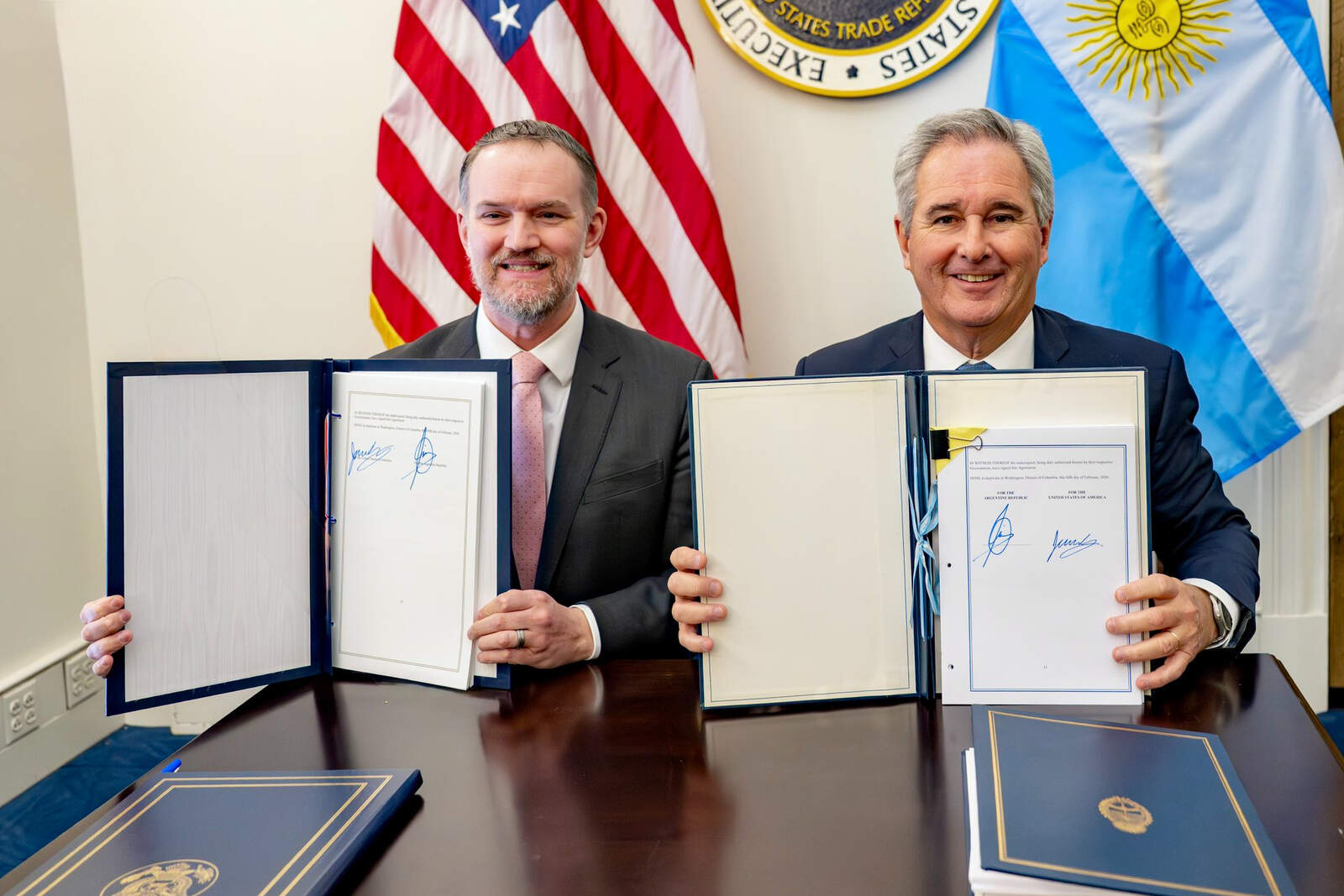
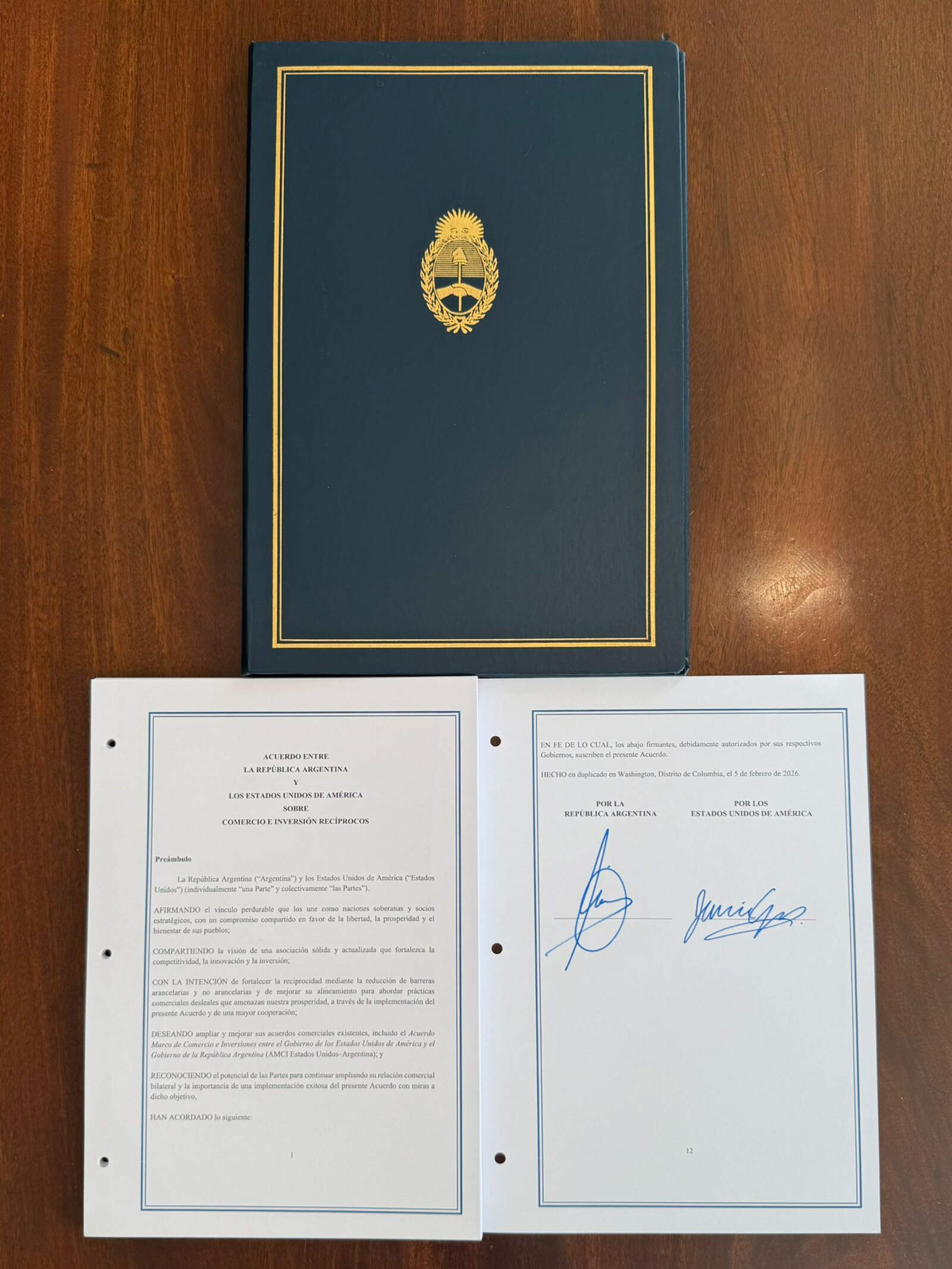
The Reciprocal Trade and Investment Agreement signed between Argentina and the United States marks a turning point in the country's trade policy and international integration. Announced this Thursday in Washington by Foreign Minister Pablo Quirno, the understanding establishes provisions aimed at expanding exports, attracting private investment, and consolidating a framework of clear and predictable rules for bilateral trade.
One of the most relevant pillars of the agreement is the elimination of tariffs by the United States for 1,675 Argentine products, which will make it possible to recover exports worth approximately 1.013 billion dollars. The measure benefits a wide variety of productive sectors, from industrial manufactures to goods of agricultural origin, and improves Argentina's access to one of the most competitive and demanding markets in the world.
El acuerdo firmado por ambas autoridades estatales.
In the agribusiness sphere, the treaty provides for a significant expansion of the quota for Argentine beef with preferential access to the U.S. market. By 2026, the additional volume will reach 80,000 tons, which will be added to the 20,000 already in force, with an estimated impact of an additional 800 million dollars in exports. This point is key for a strategic sector that combines foreign currency generation, employment, and added value.
Another central component of the agreement is the investment chapter, which makes Argentina the first country in South America to sign an instrument of these characteristics with the United States. Through the backing of institutions such as EXIM Bank and the U.S. International Development Finance Corporation (DFC), the understanding seeks to facilitate the financing of private projects in areas considered strategic, such as energy, mining, infrastructure, and the knowledge economy.
In parallel, Argentina assumed commitments on market opening and tariff reduction. The agreement provides for the elimination of tariffs for 221 tariff lines, which include machinery, transportation equipment, medical devices, and chemical products, and a reduction to 2% on another 230 lines, mainly linked to auto parts. These measures aim to reduce costs, improve competitiveness, and modernize the productive structure.
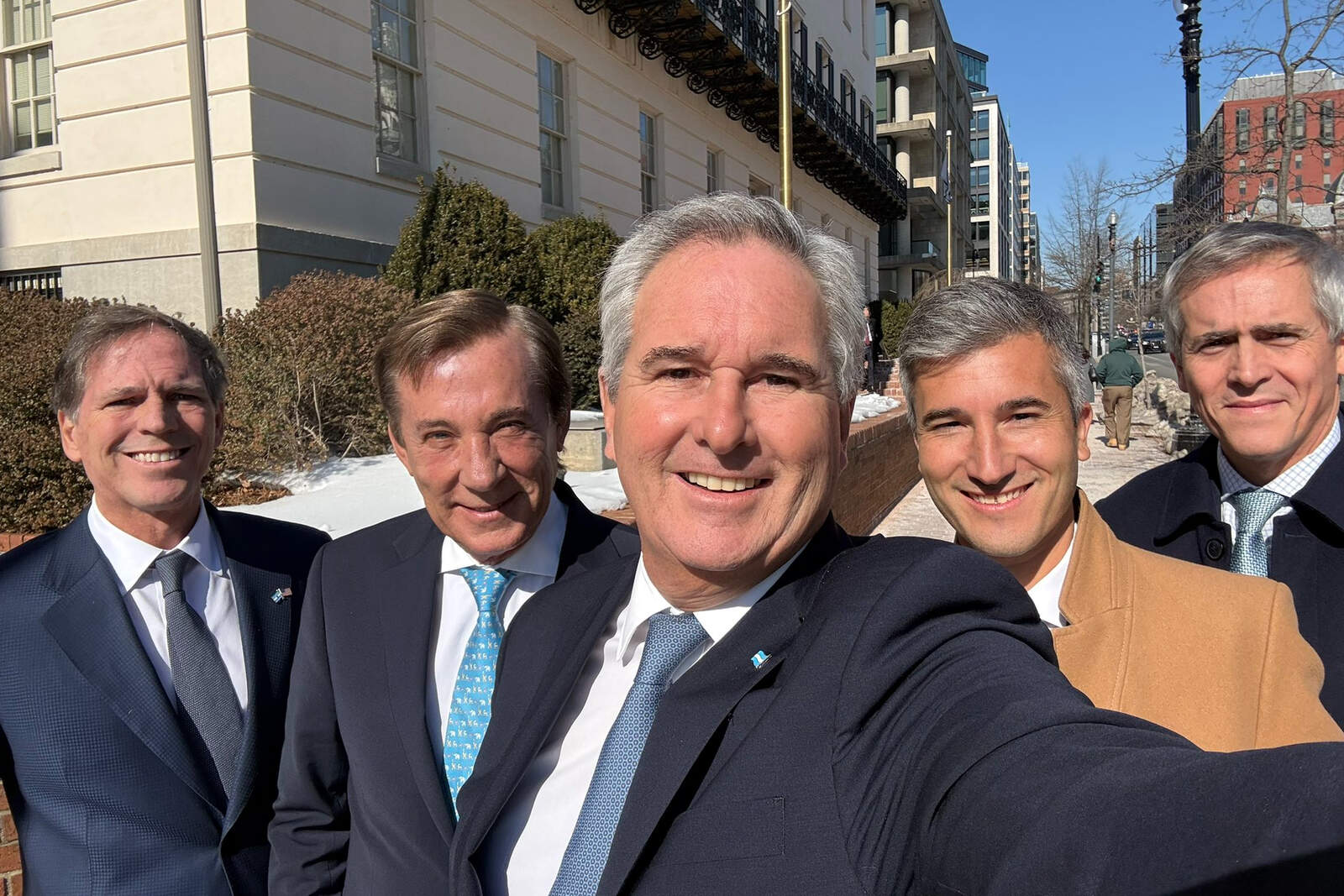
Pablo Quirno anunció la firma mediante su cuenta de X (ex Twitter).
The treaty also incorporates provisions on digital trade, startups, fintechs, and intellectual property, aligning Argentina's regulatory framework with modern international standards and fostering integration in high value-added sectors. In this regard, the agreement goes beyond the exchange of goods and projects itself onto the economy of the 21st century.
This understanding is part of the strategy of President Javier Milei's government to abandon economic isolation and reposition Argentina as an open, reliable country aligned with the main Western powers. In a context of fiscal order, macroeconomic stability, and predictable rules, the Executive is betting on trade liberalization and foreign direct investment as the engines of growth.